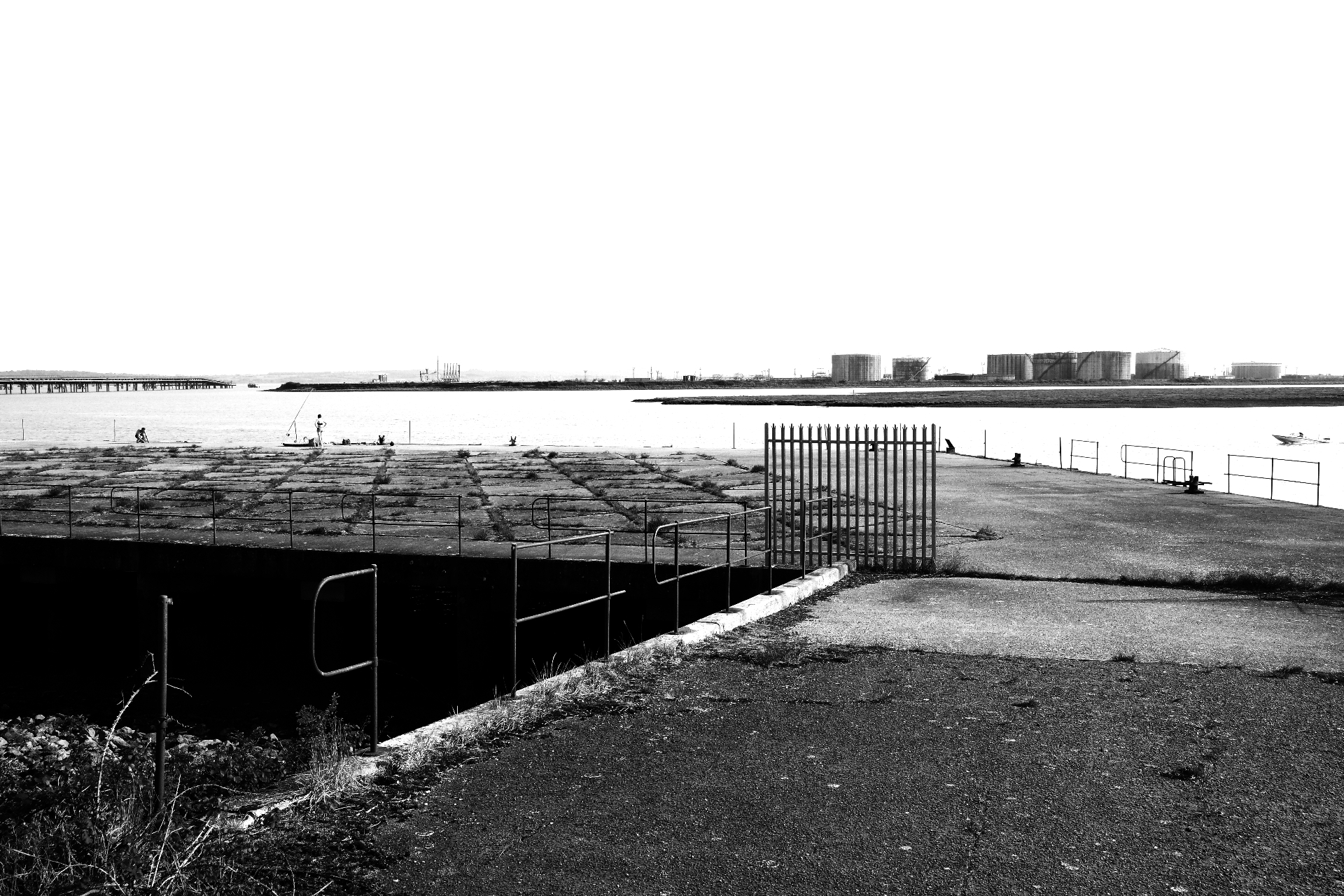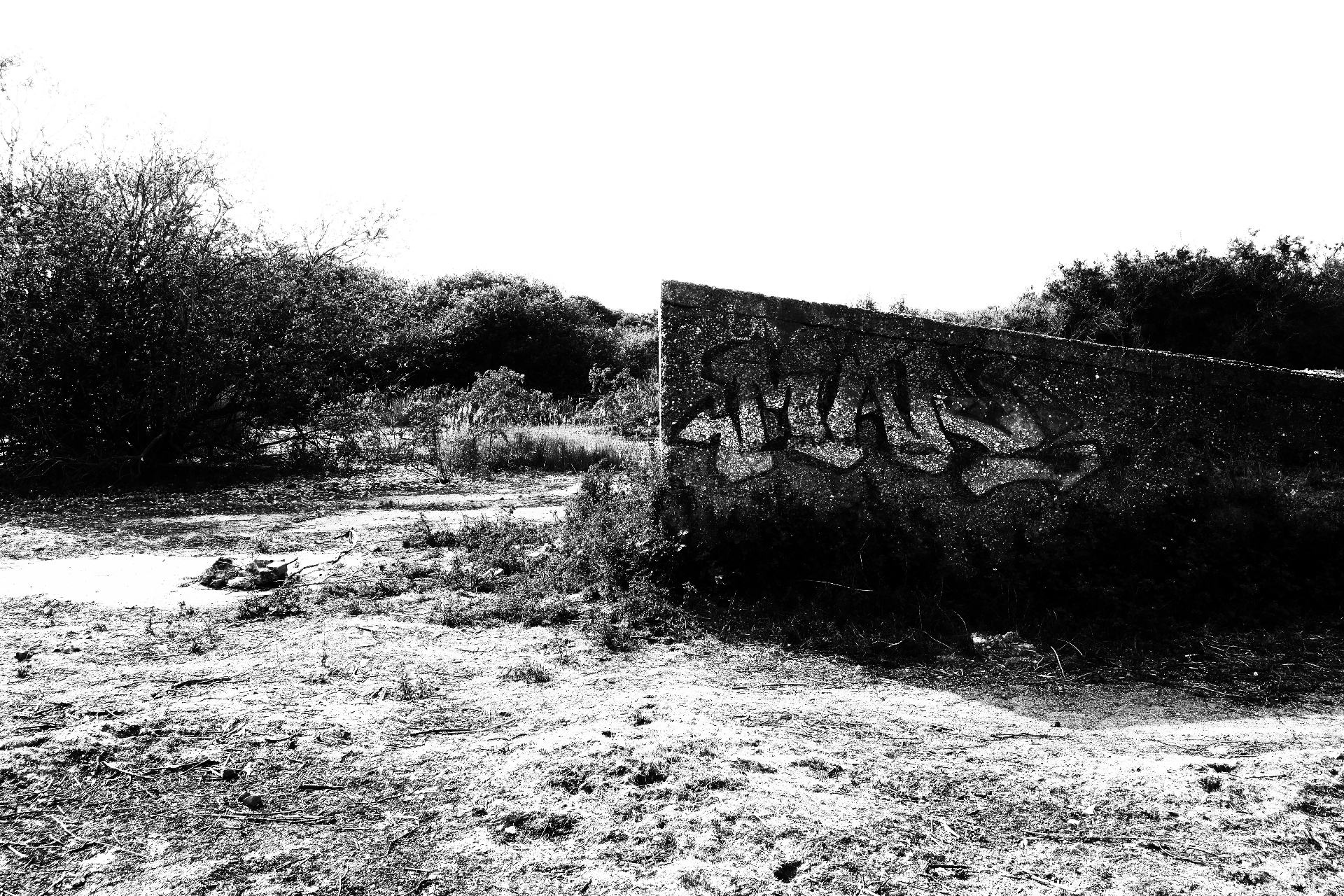
Canvey Wick.
In the 70s, the plan was to build an oil refinery. The land was raised by dumping tonnes of dredging waste — gravel, sand, chalk, and shells. The refinery was partially built, then abandoned. What was left was a truly unique, accidental landscape: full of varied topography and low-nutrient growing environments. This new terrain led to one of the highest concentrations of biodiversity per square metre in the UK — often described as a 'brownfield rainforest'.
I arrived at Canvey Wick late afternoon during the unusual heatwave we had in May. I managed to totally miss the public car park and found myself at a dead end, my closest entrance a spiked gate with 'KEEP OUT' across the front. Naturally, this felt far more fitting, so I slipped through the missing bars and in I went.
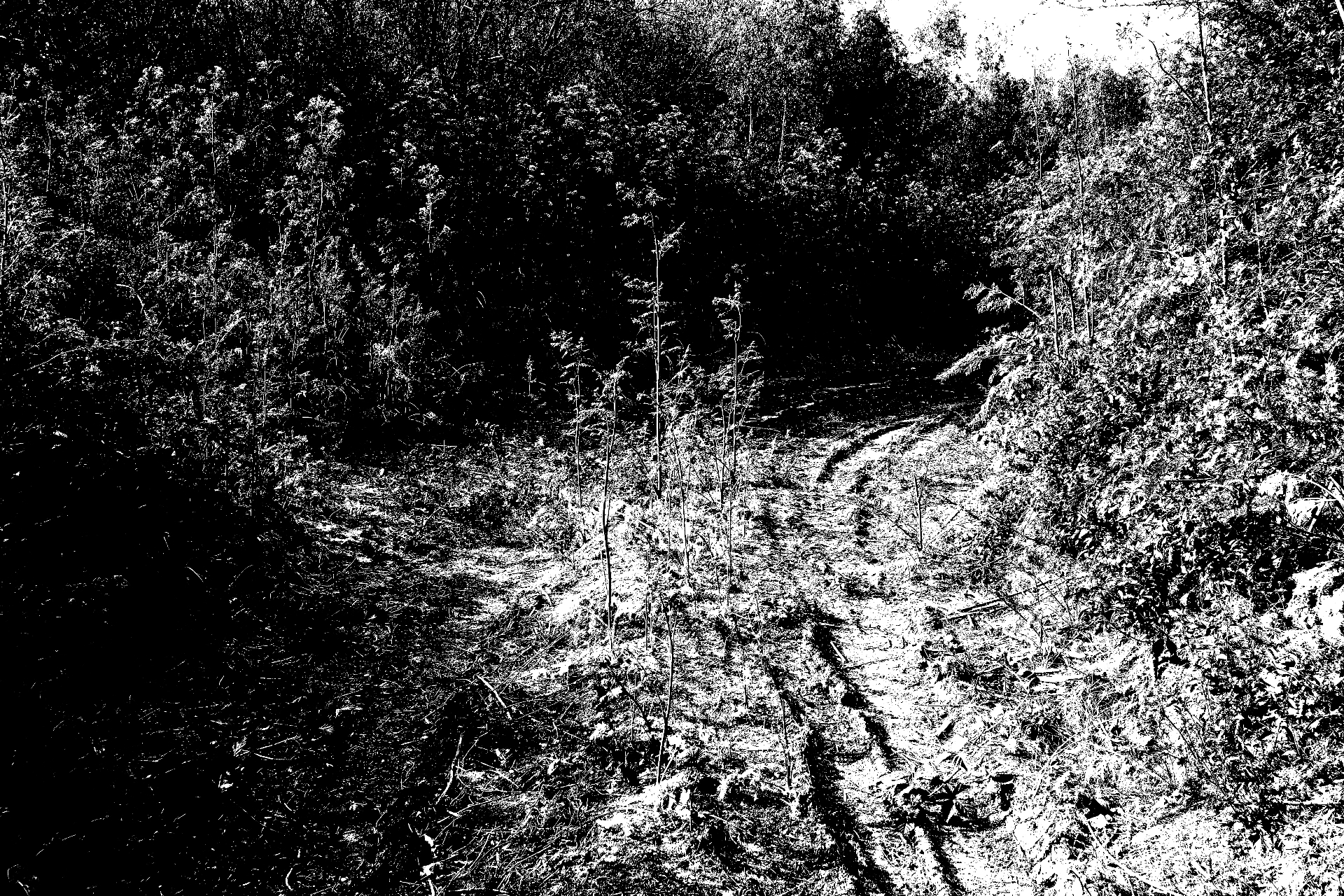
As I came in the back way, there wasn't any clear signposting or signal to where I was, and I found myself immediately in a maze: a labyrinth of linear concrete paths lined with dense thickets of dog rose and hawthorn, the sun searing down. I blindly wandered these passageways for a while, stopping at each junction, each one looking the same. Dog rose, hawthorn. Dog rose. Hawthorn. The odd bit of sedum carpet drifting across the faint remains of some tarmac was the only piece of intrigue. The sun beat down on me and the stark, bare concrete. I knew there was some gold to this place, but finding it was another matter.
As I wandered, the density of wildlife became impossible to ignore. The birdsong was unlike anything you'd hear in the city, constant and alive. It felt like wilderness, yet all of this exists on an ex-industrial site. As amazing as this is — as a symbol of how a human-built landscape can become a seemingly unlikely wildlife haven — this is not why I am here. I like contrast. I like the built environment. As I pace through these impenetrable avenues, I realise the succession here has advanced so far that much of the industrial landscape has disappeared beneath the growth. While that's created an incredible sanctuary for wildlife, some of the contrast and variation in the terrain feels lost with it. Slowly but surely, I begin to find some remnants of the old infrastructure. They act like beacons through the wild, drawing me through the thorns and thickets, rabbits darting across my path.
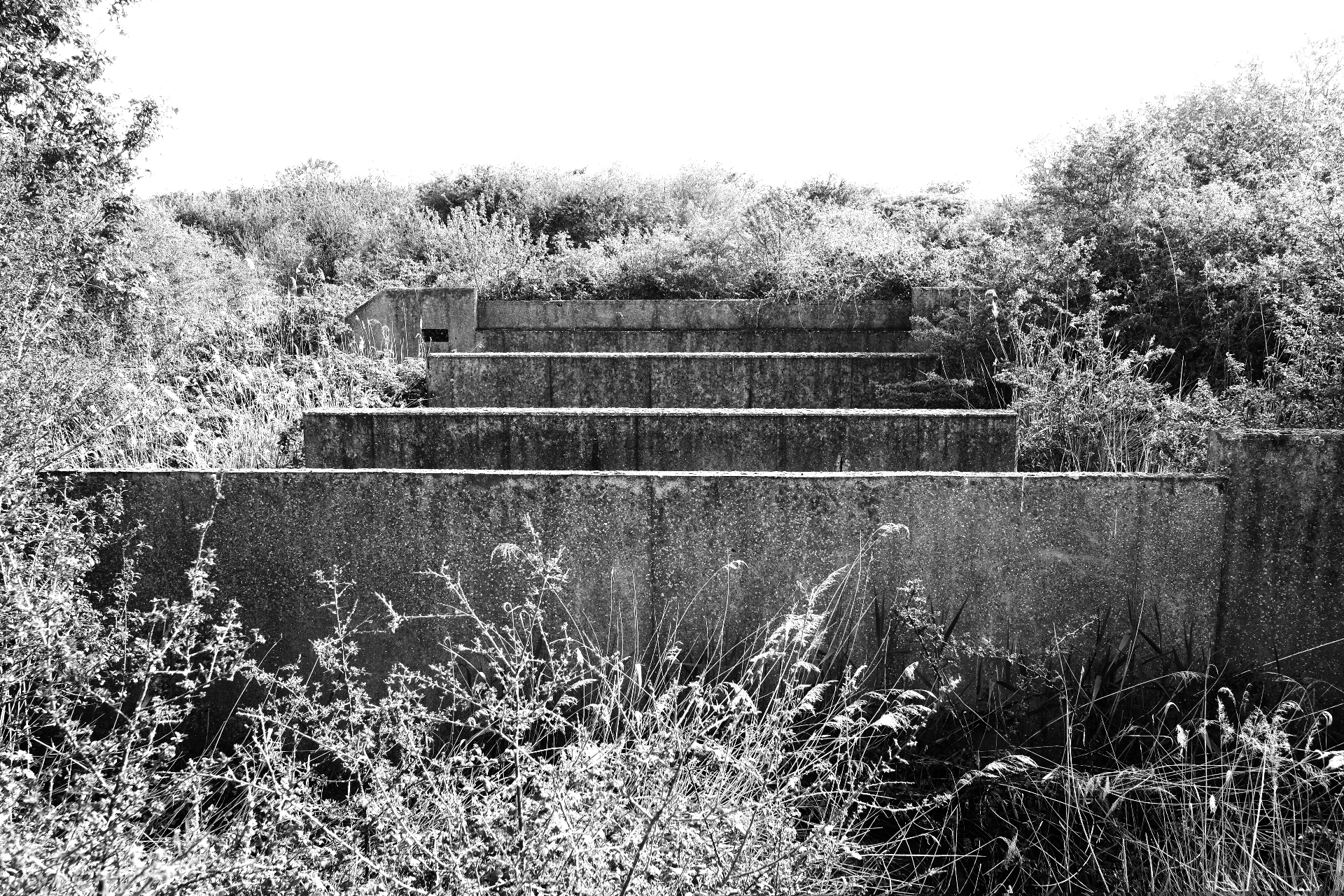
Finally, I emerge into a clearing. A fragment of what much of this area may once have been. This is where the magic is. Tarmac bursting with tree whips, mounds of sand full of rabbit warrens, wild flowers en masse adorning them where they've been left undisturbed. It's in the complexity here where the beauty sits, each element creating a different niche which makes up the whole. It's the void as much as the wild — places that open up, harder expanses of tarmac, unbroken, places you can stand and be amongst it, accidental miniature gardens.
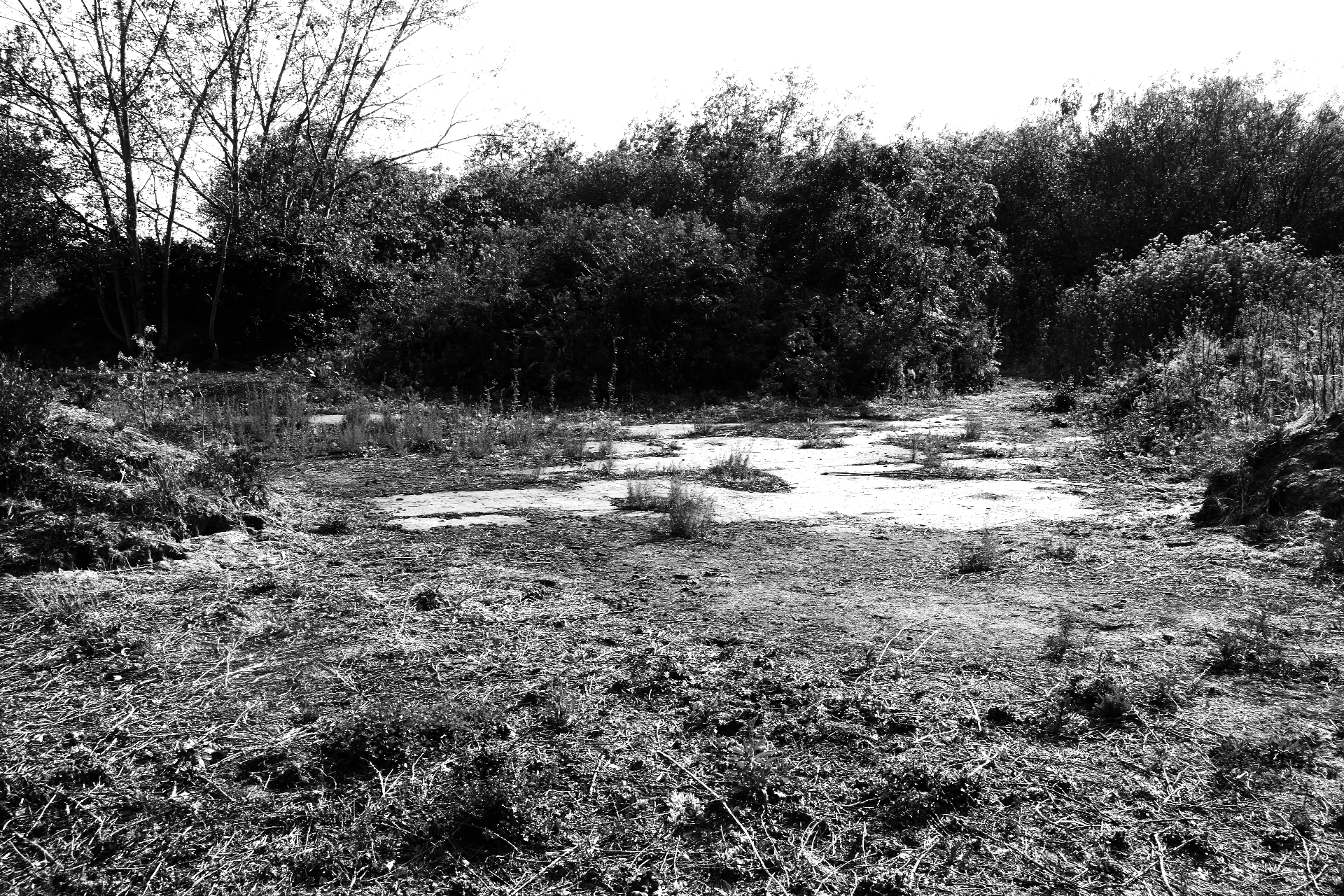
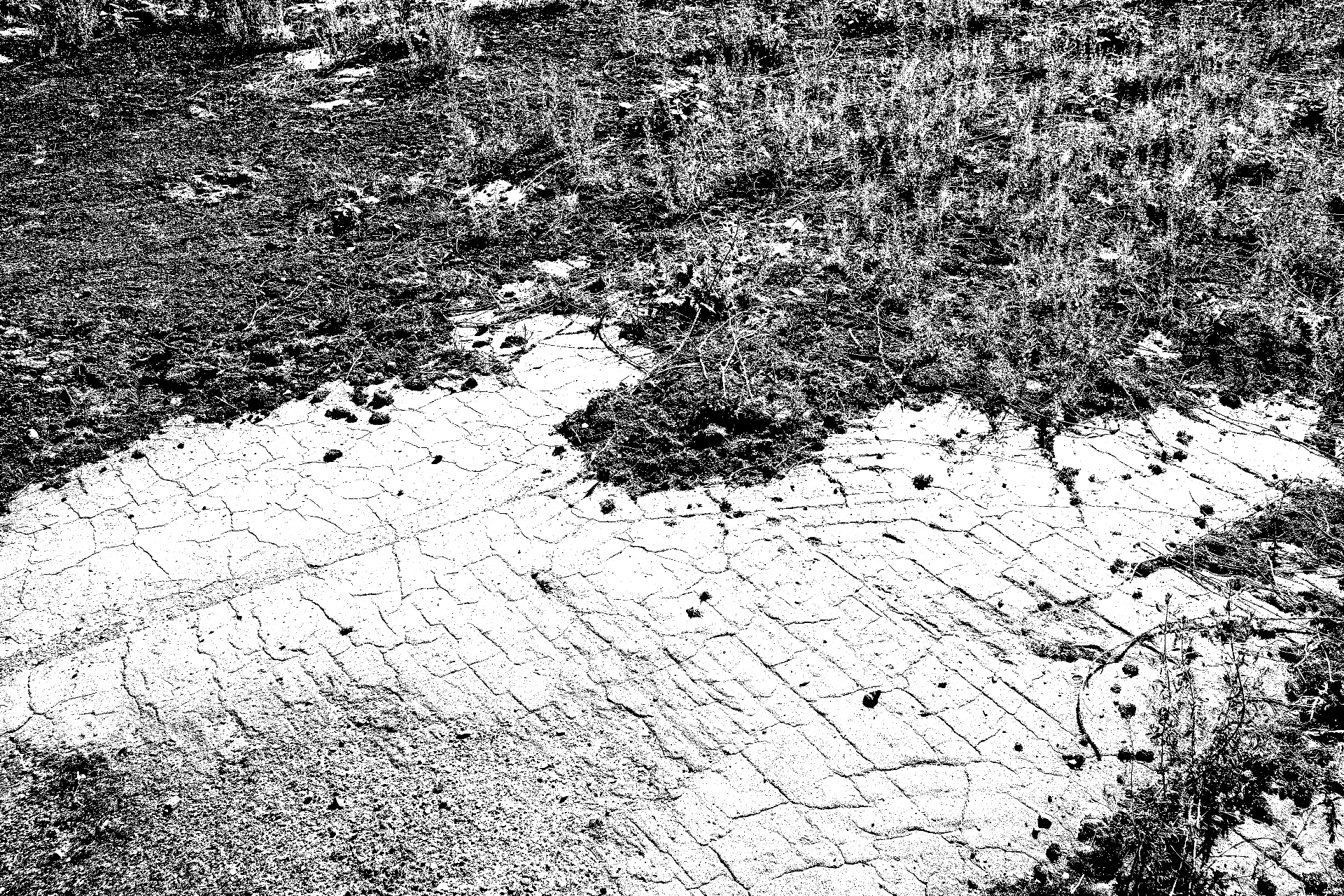
This is my inspiration. That moment where human-built structures, even if accidental, form an unexpected balance. This is wild, but it's human too.
I continue to wander through different openings, each one creating a different scene, like a play. A new stage is set. Birches are the main characters in some, sea buckthorn dominating in others, with all sorts of supporting roles. I'm comforted by the tyre marks burned across the larger stretches of tarmac, evidence that others have found their way here too. Signs of freedom and rebellion.
Eventually, I find the main visitor car park, full of signposts and site maps, a few groups of people and dog walkers. There's more of the iconic structures you can see in pictures, clearer signs of the old industry, but my magic moment remains, as always, away from the beaten track, towards the back edges, in those forgotten corners.