Tottenham2026
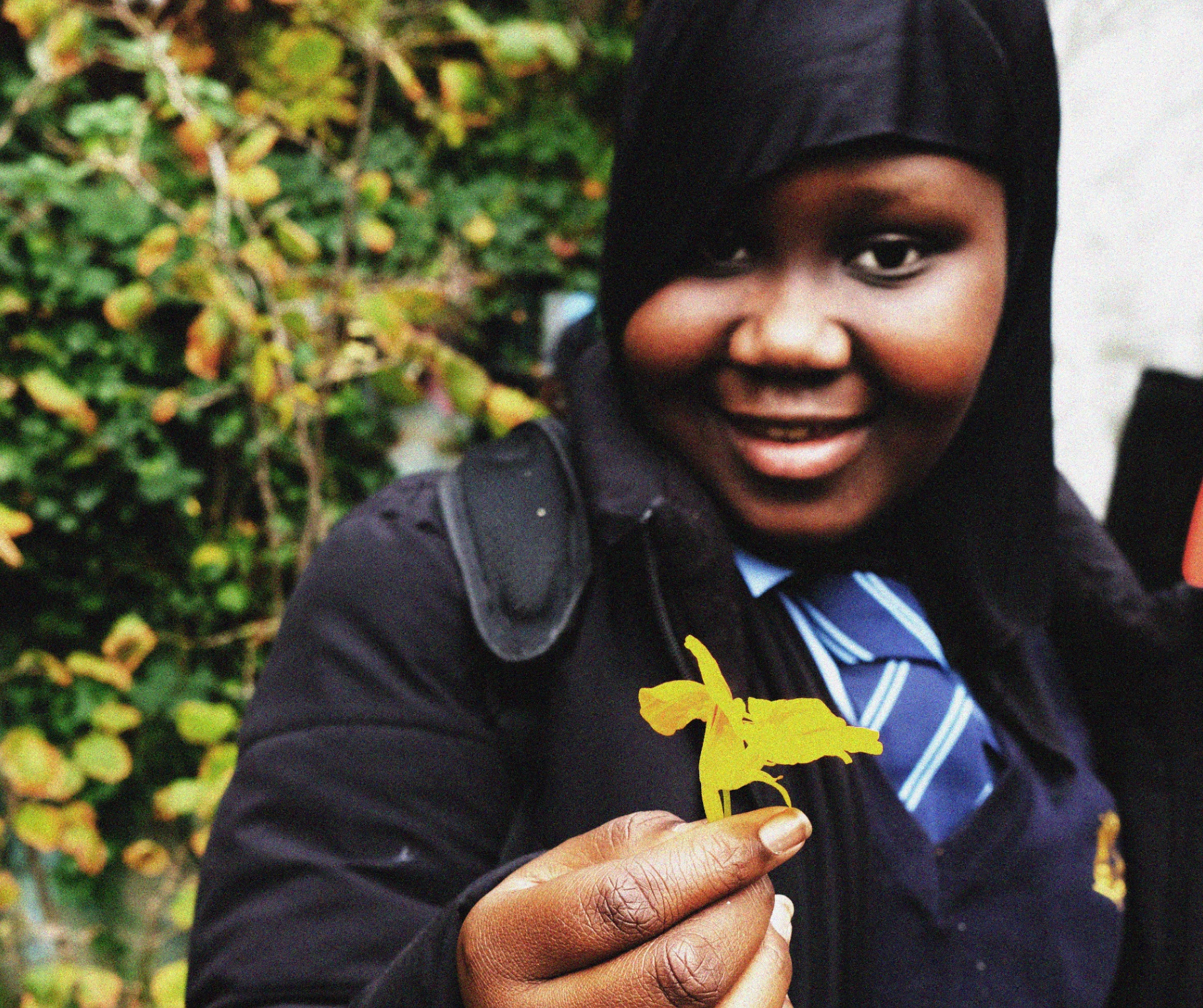
Gladesmore Gardening Crew
▸ View project
"Nature is the leveller. It doesnt matter who you are, where you come from. In here, we are all the same."
Come to an event. Get your hands in the earth. Help the garden grow.
Visit us at Markfield Community Garden, volunteer your time or donate to help keep this wild corner thriving.

Your donations support new plants, materials and our bigger ambition to create an outdoor classroom. Get in touch to find out how you can help, or follow the link to donate.
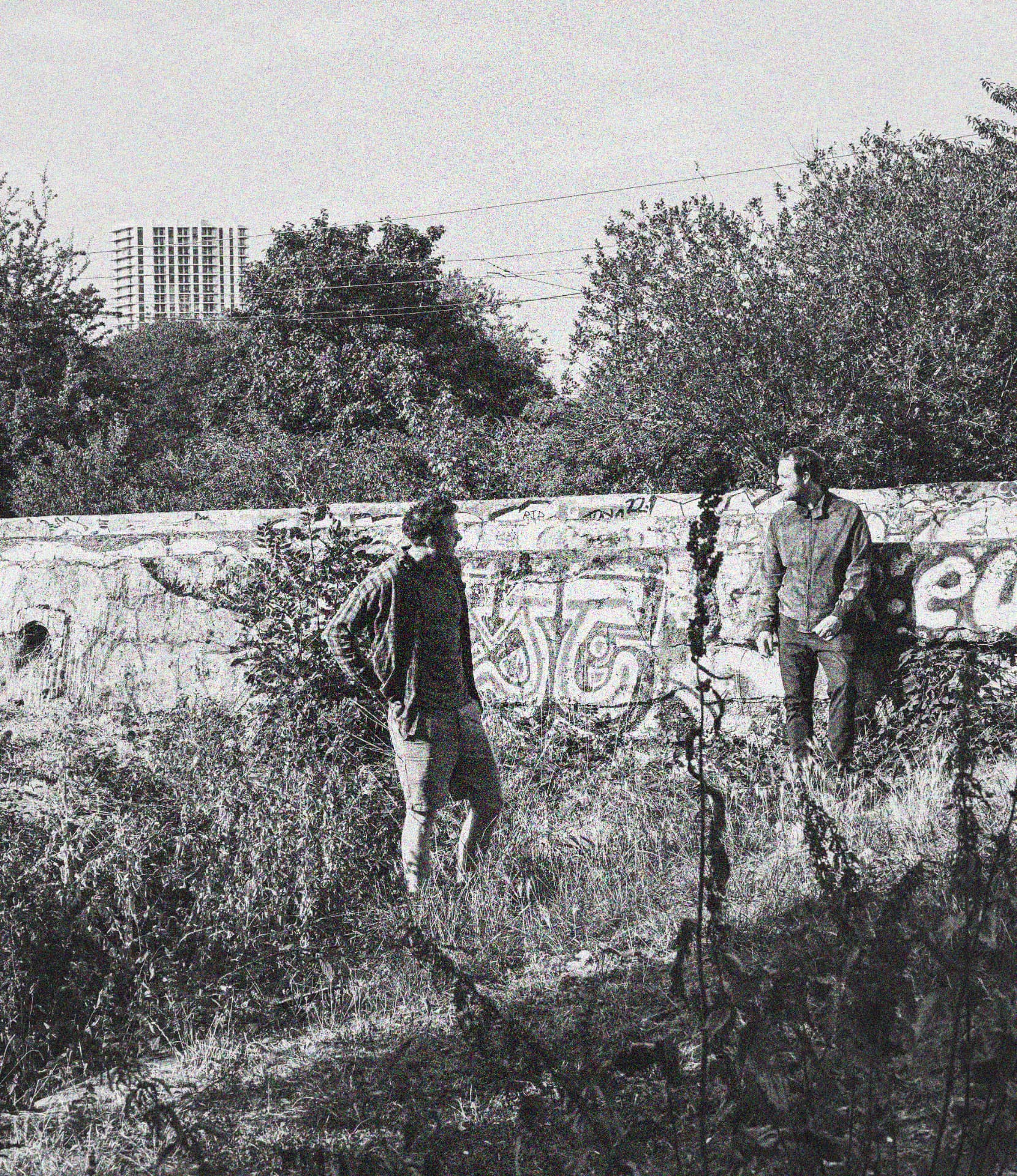
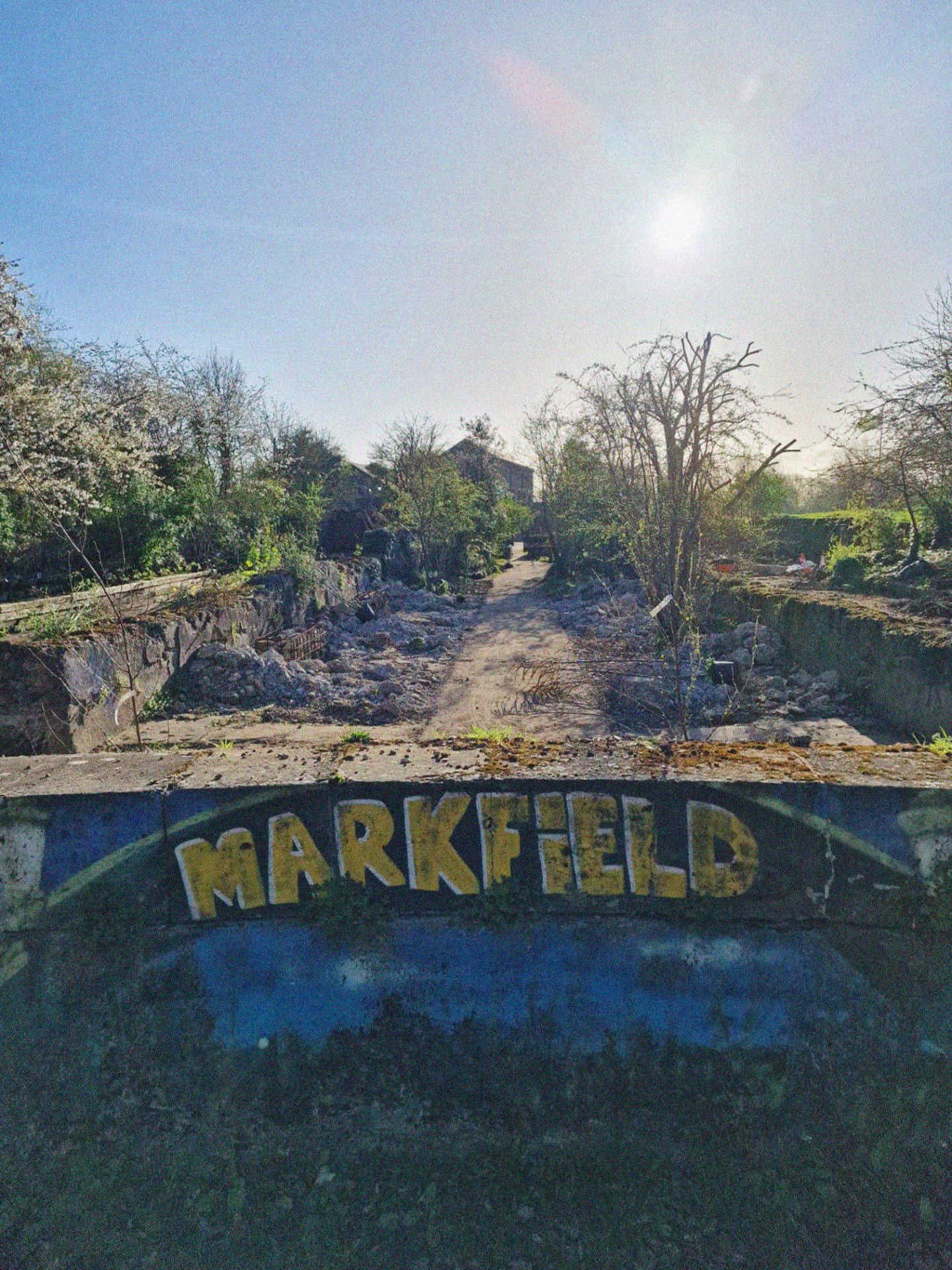
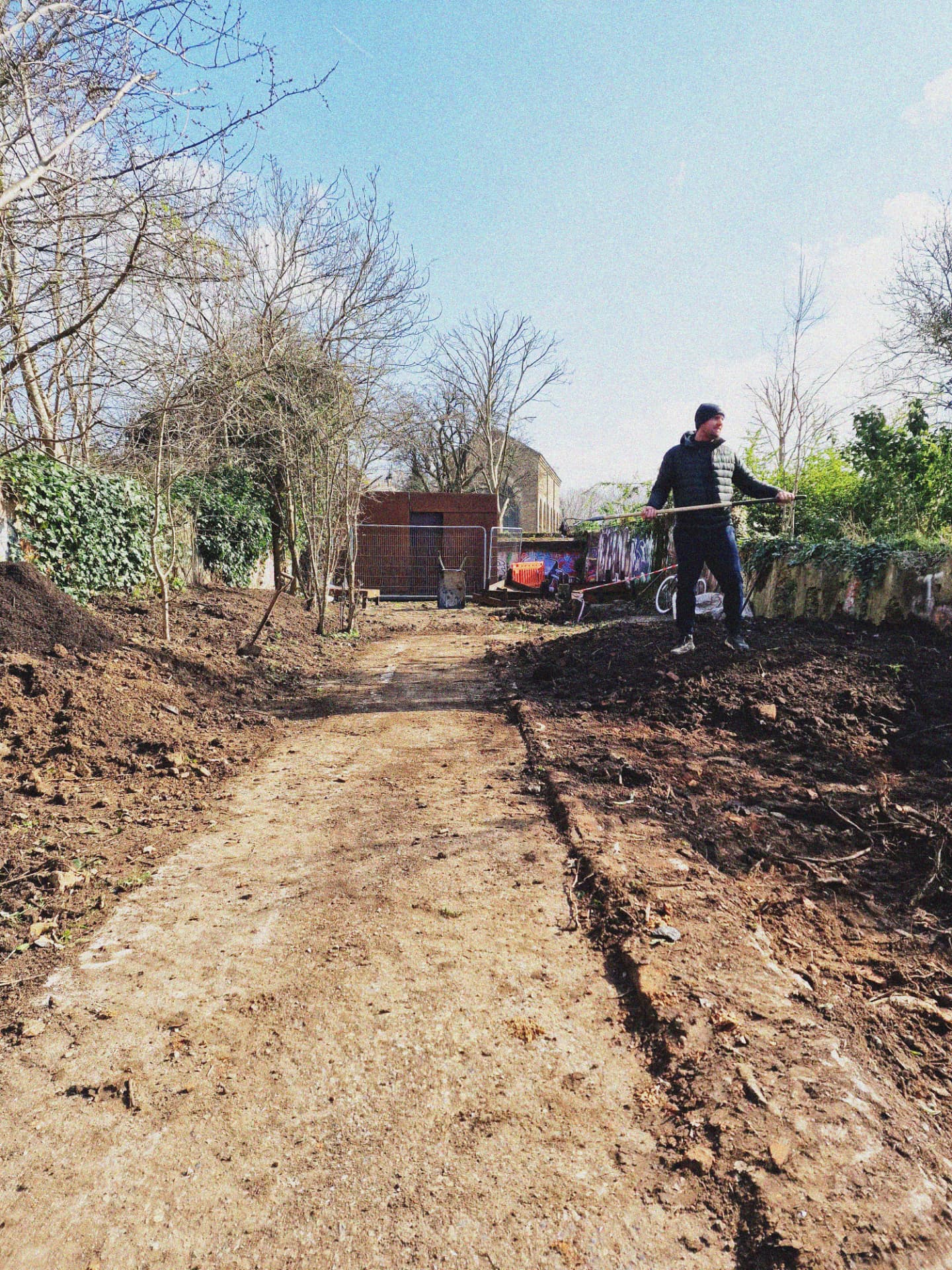
Wild City Studio came across Markfield Park and the old filtration beds in 2022. Overgrown, graffitied and largely forgotten, the place seemed to embody so many of the ideas we had been exploring around nature and connection in the city — and how the places we overlook might become symbols of a more optimistic future. This wasn’t about creating pristine landscapes or unrealistic visions of what a greener city could look like. It was about what we could do now, with passion, integrity and by embracing what was already there.
At the time, this corner of the park had become an antisocial hotspot, a place many people avoided or simply turned away from. We believed the answer wasn’t to keep more people out, but to bring more people in — embracing the outsiders, the wildflowers, the weeds and the existing character of the place, and seeing what could grow from there.
The garden is built around six zones, each one a different experiment in how a small urban space can support people, plants and wildlife.
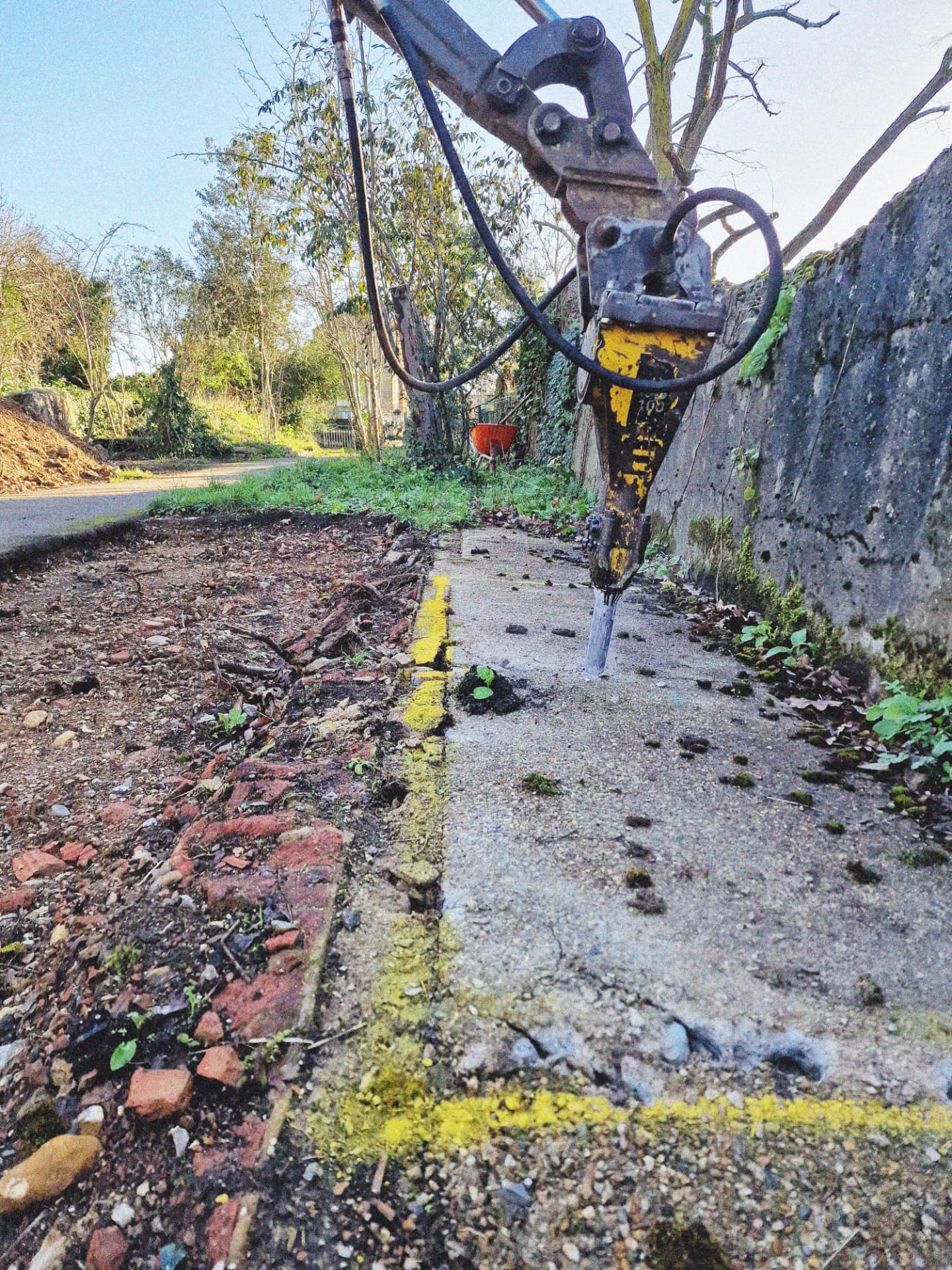
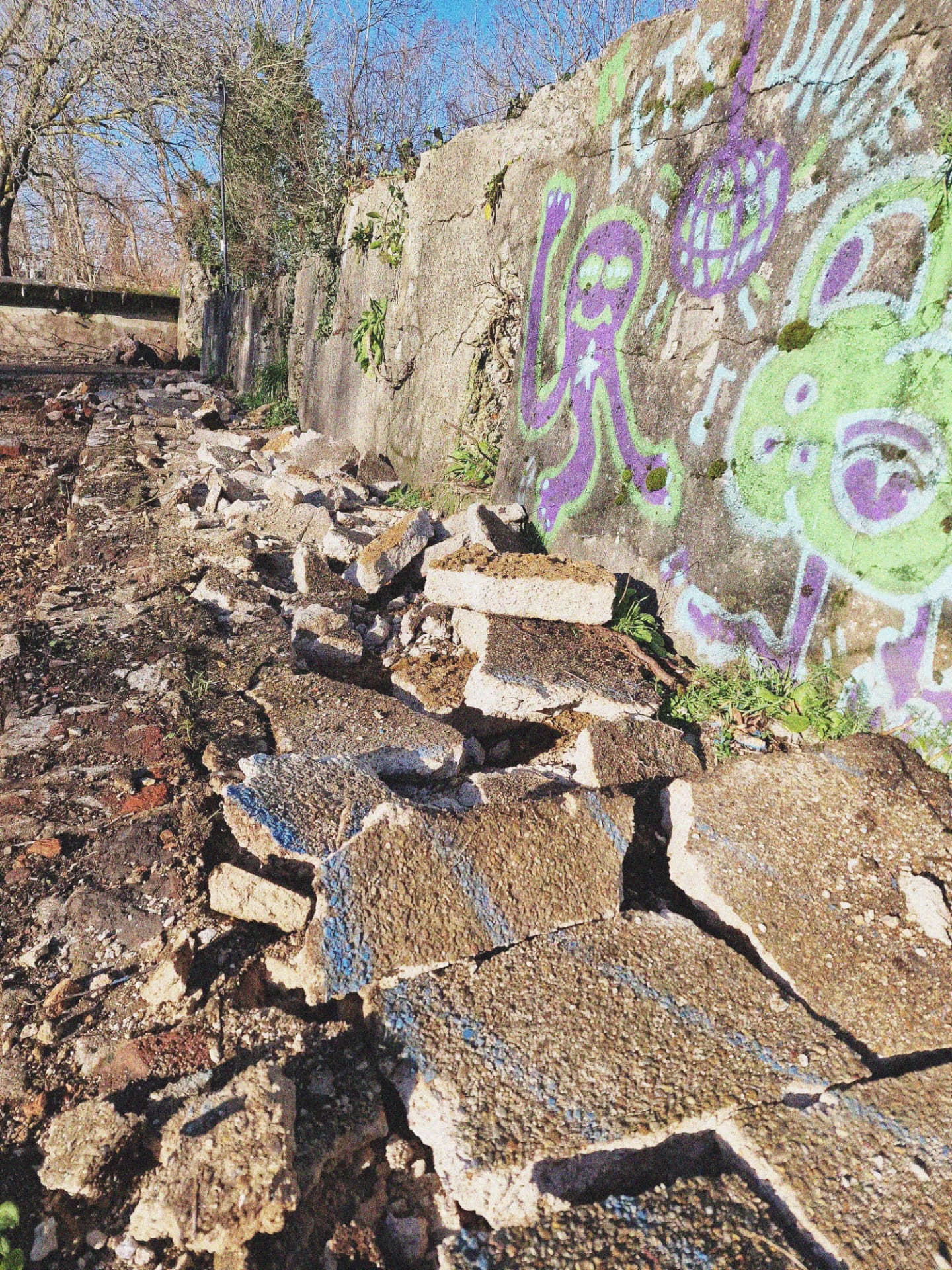
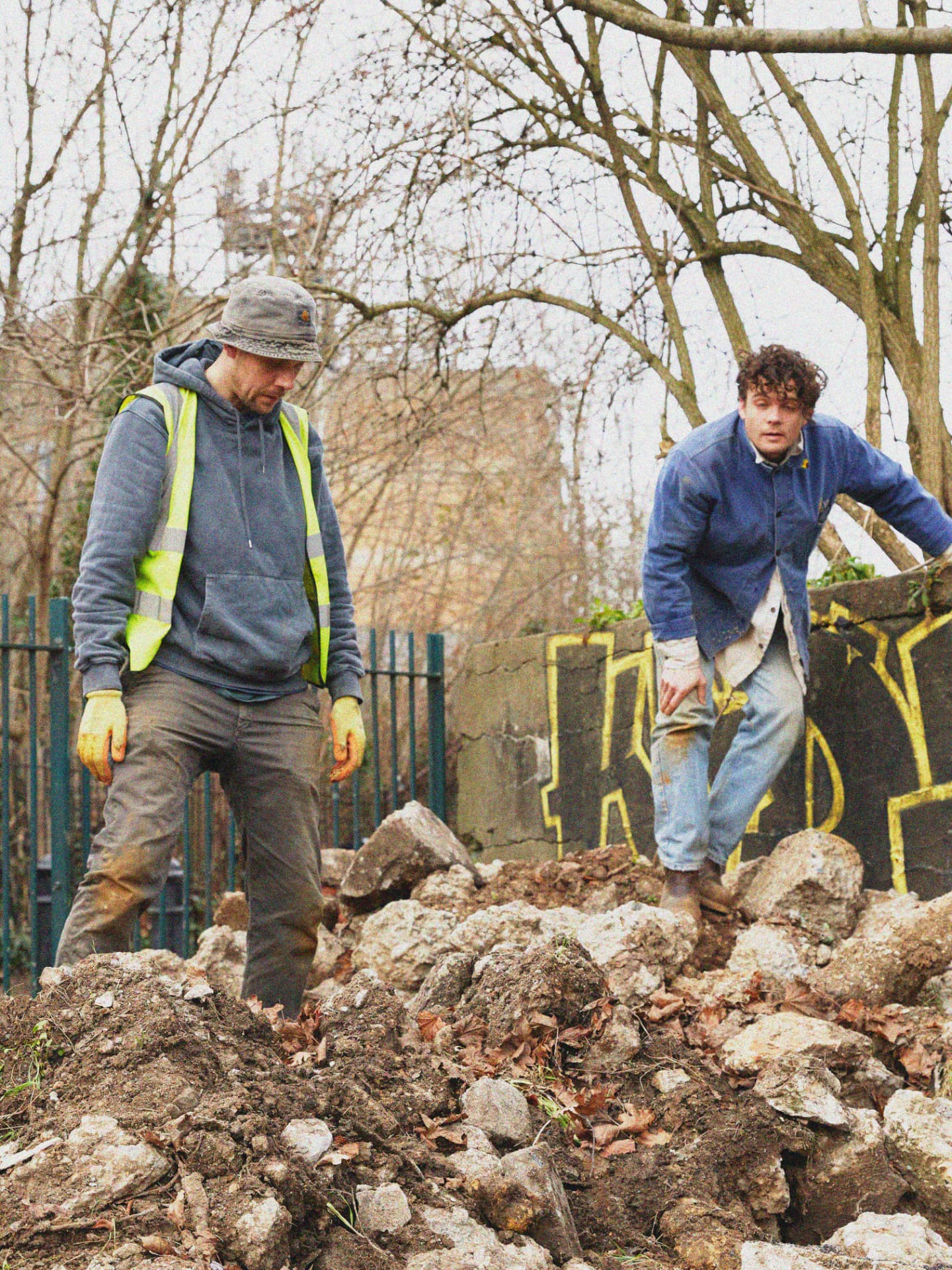
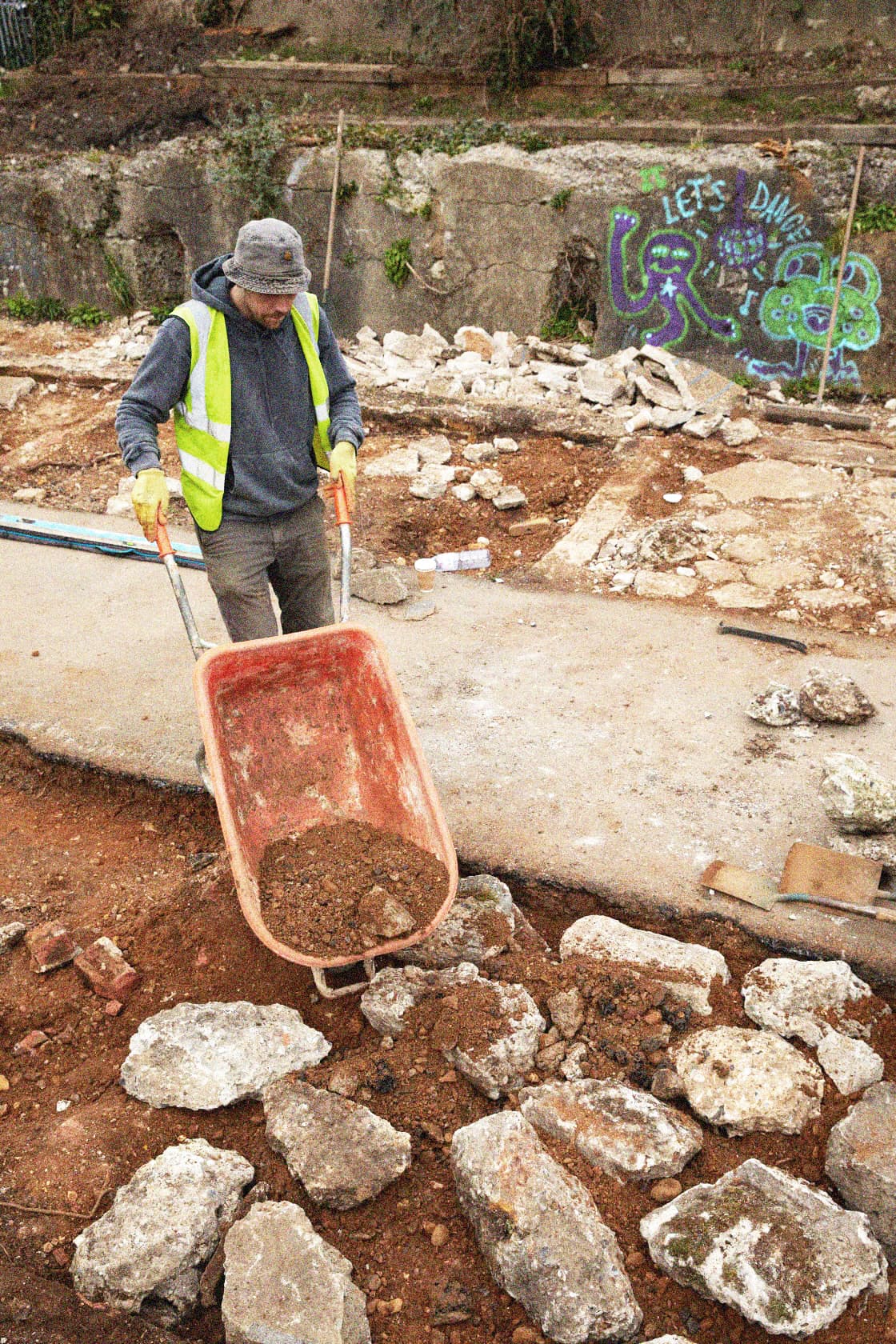
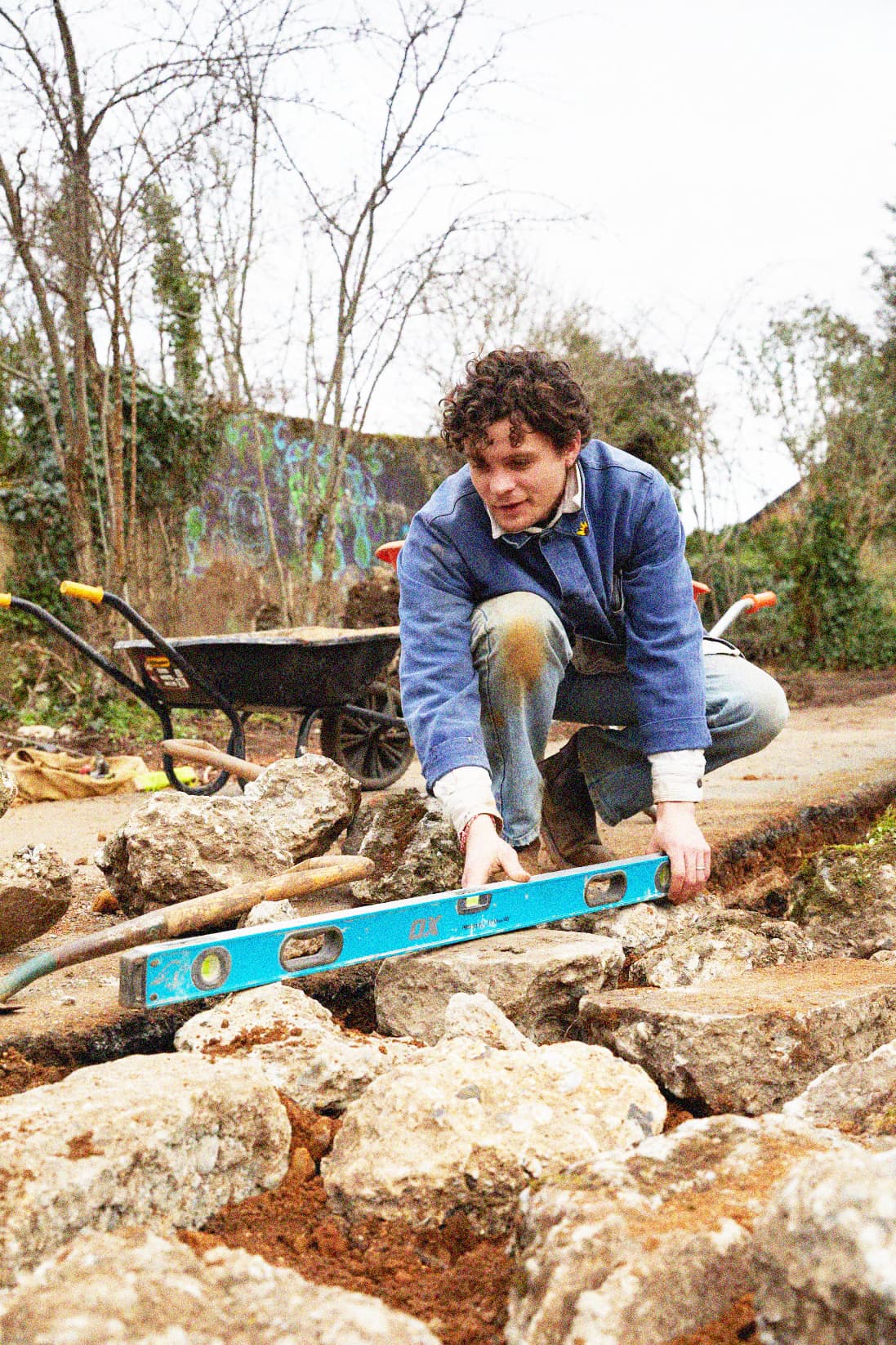
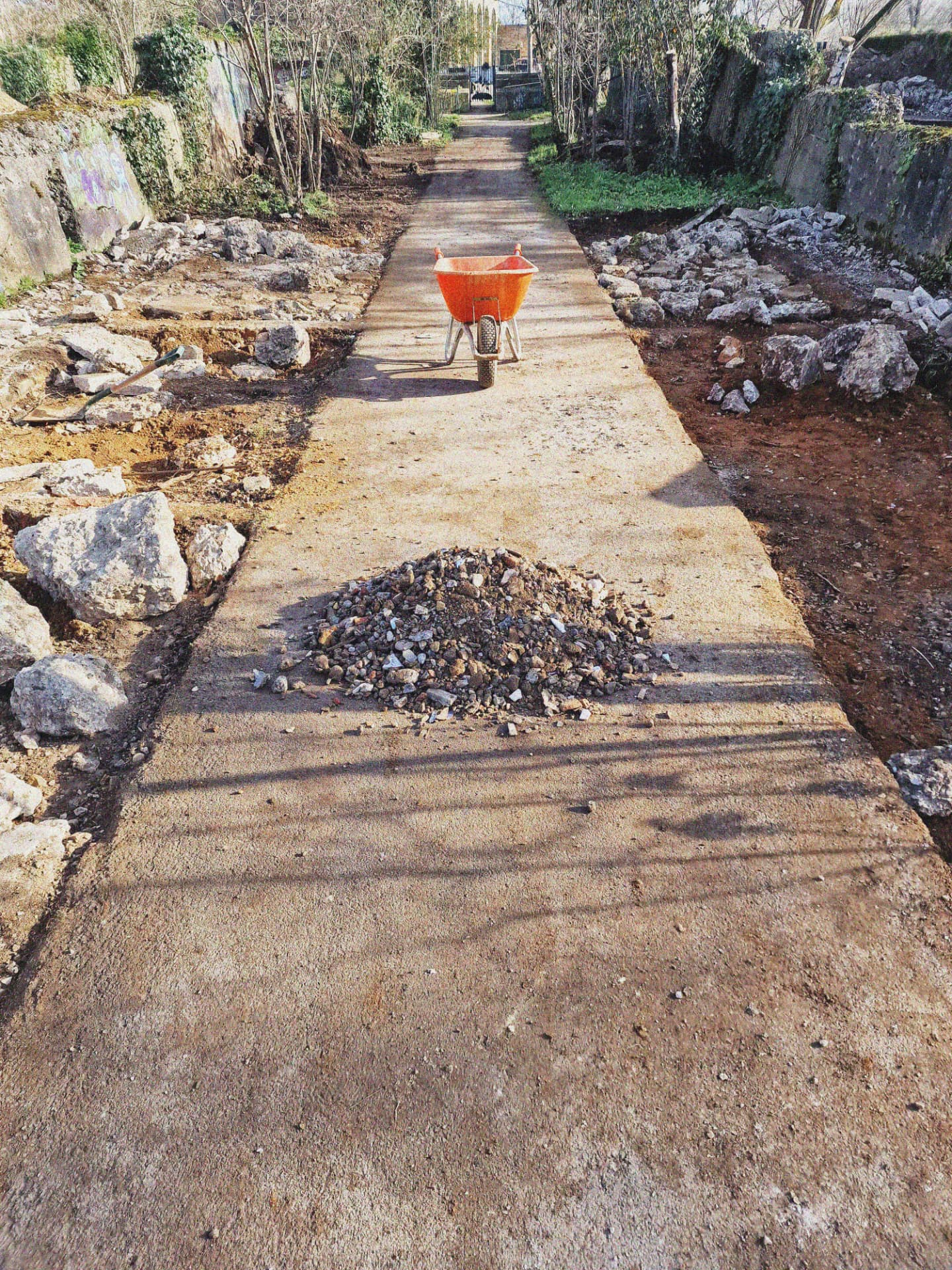
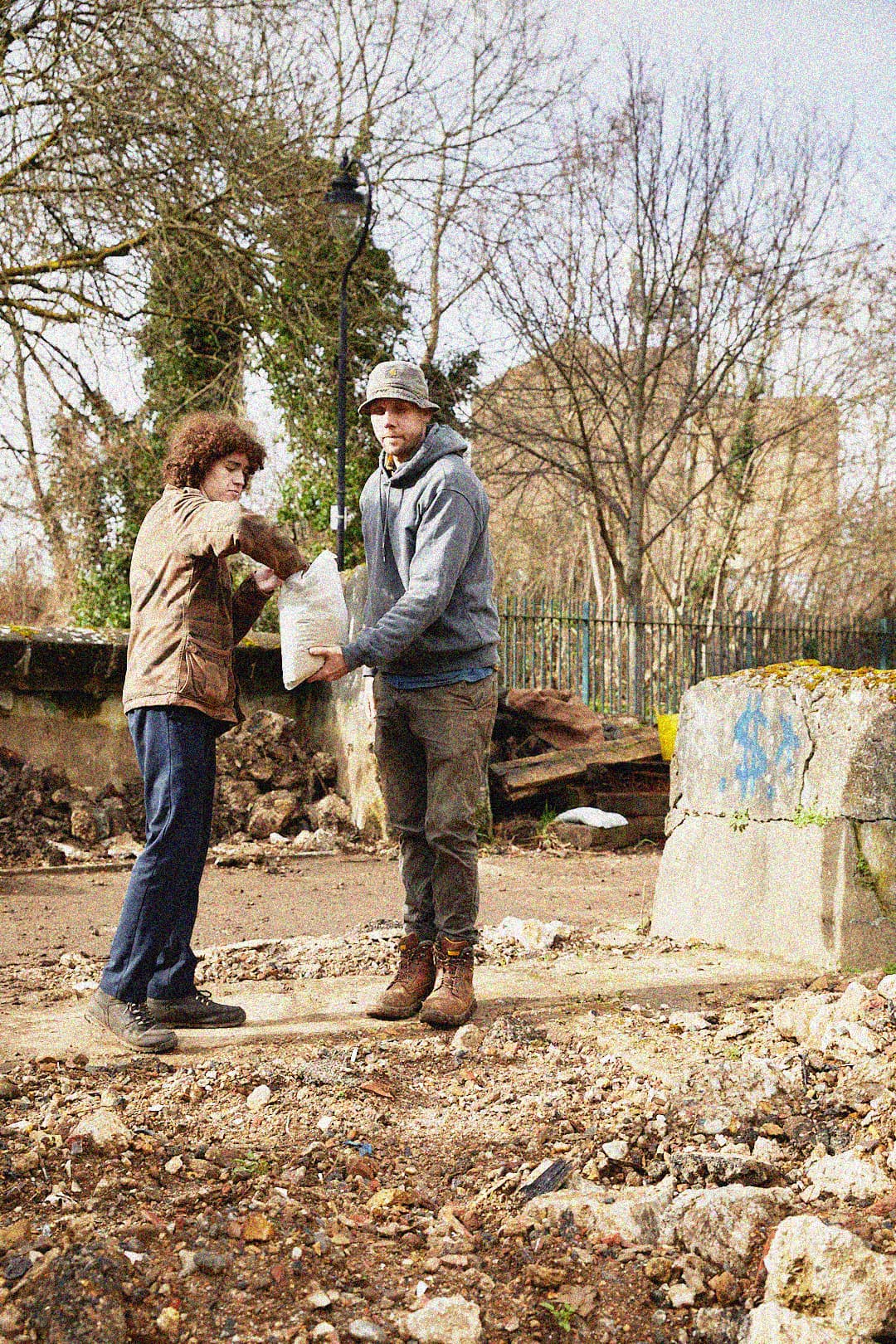
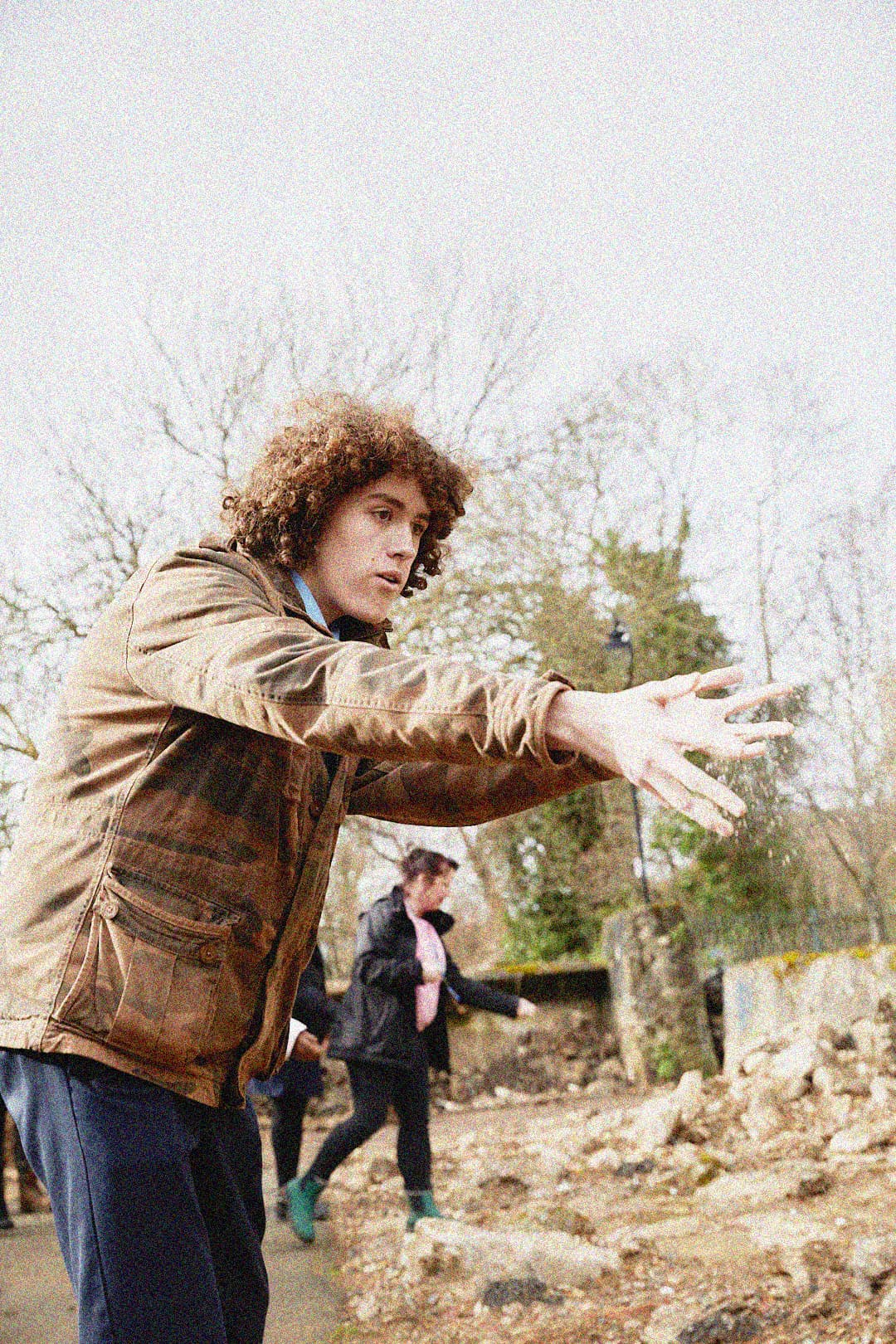
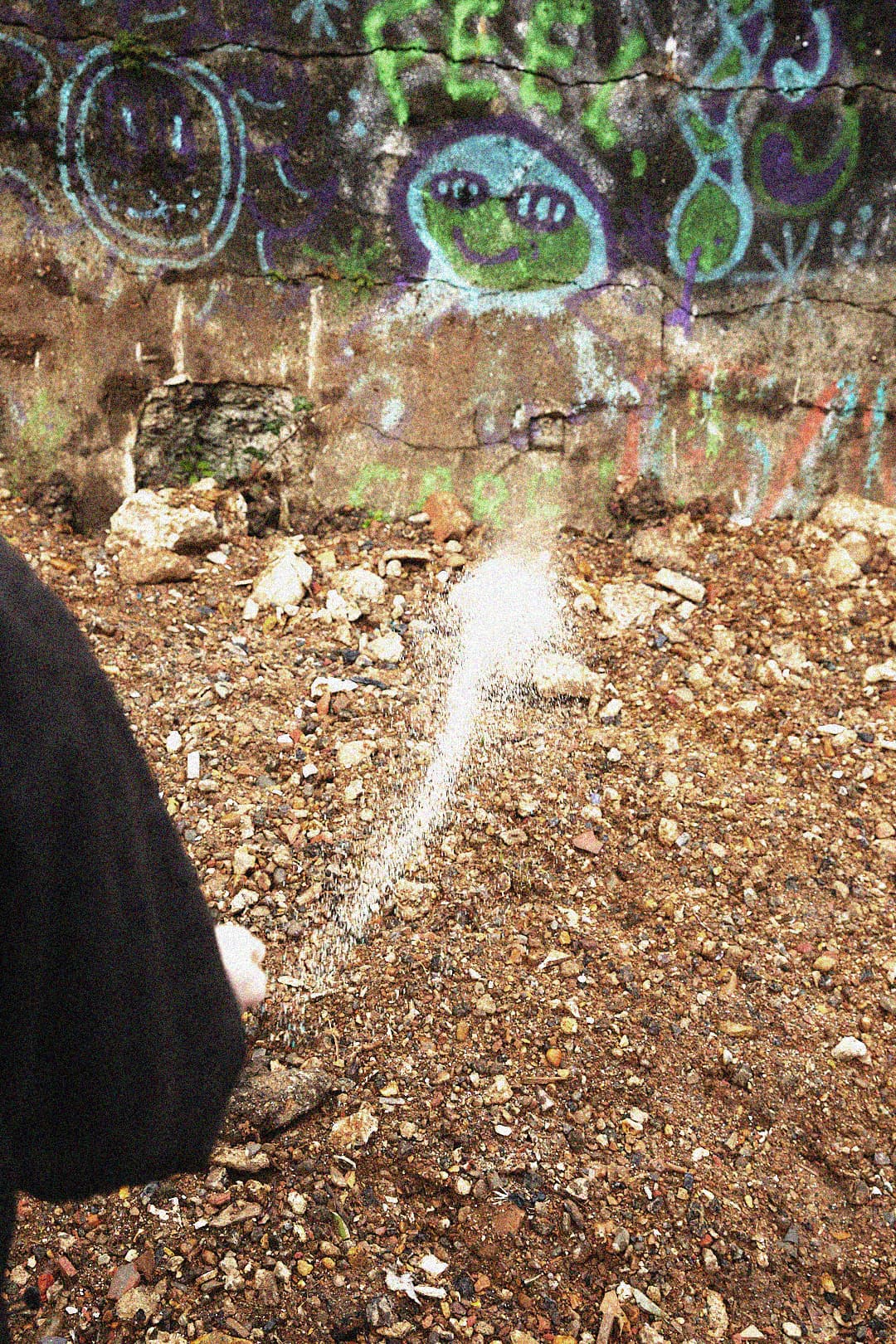
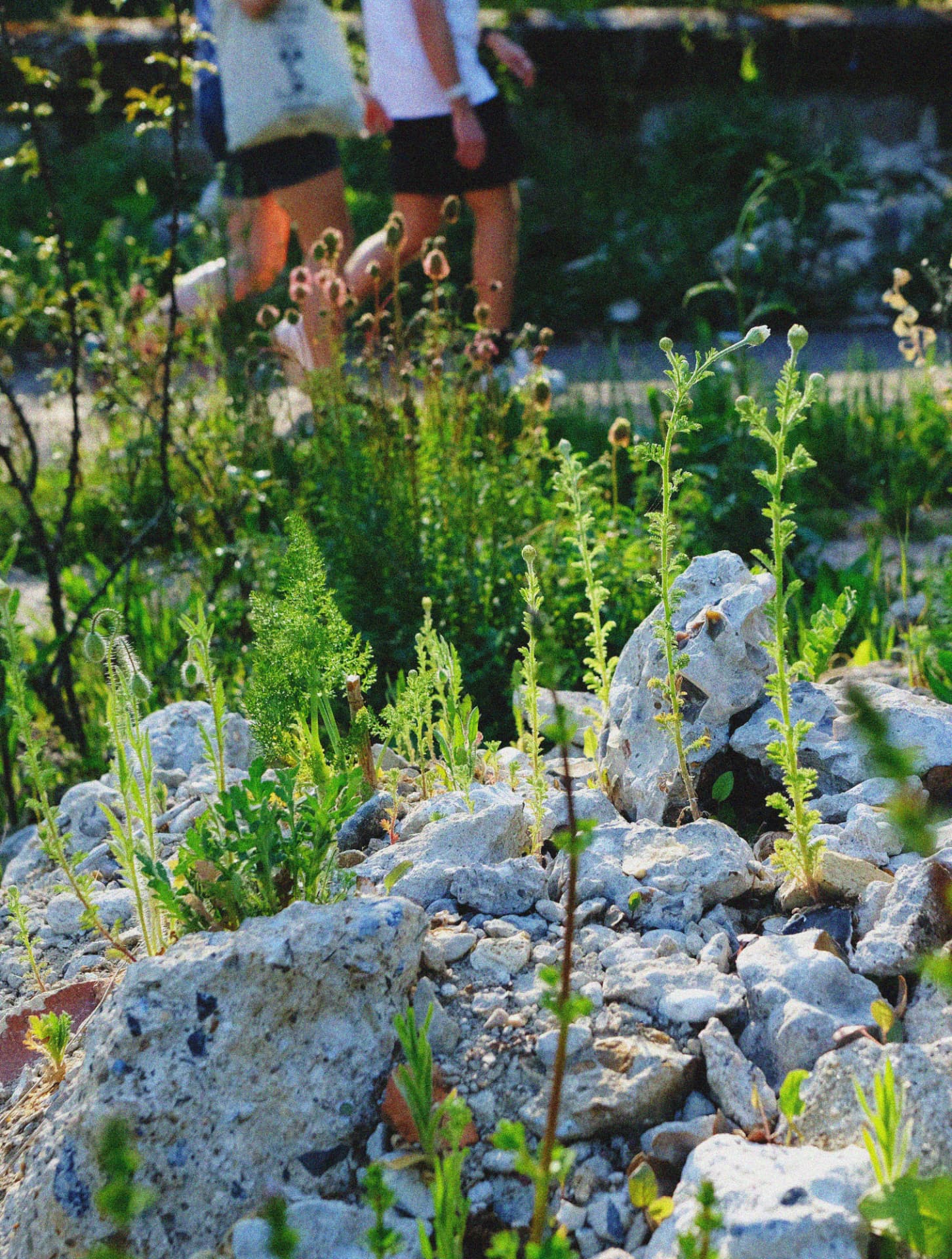
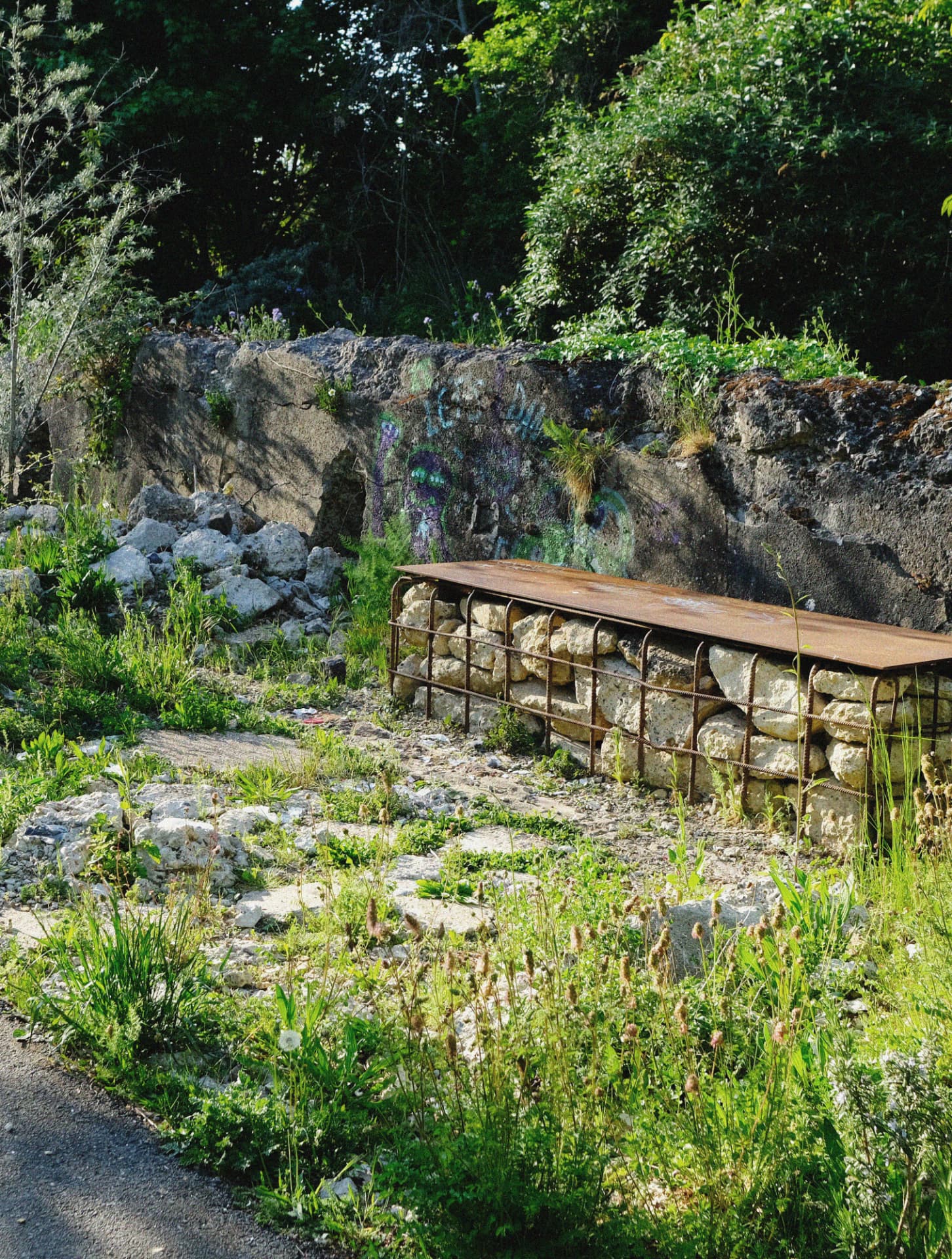
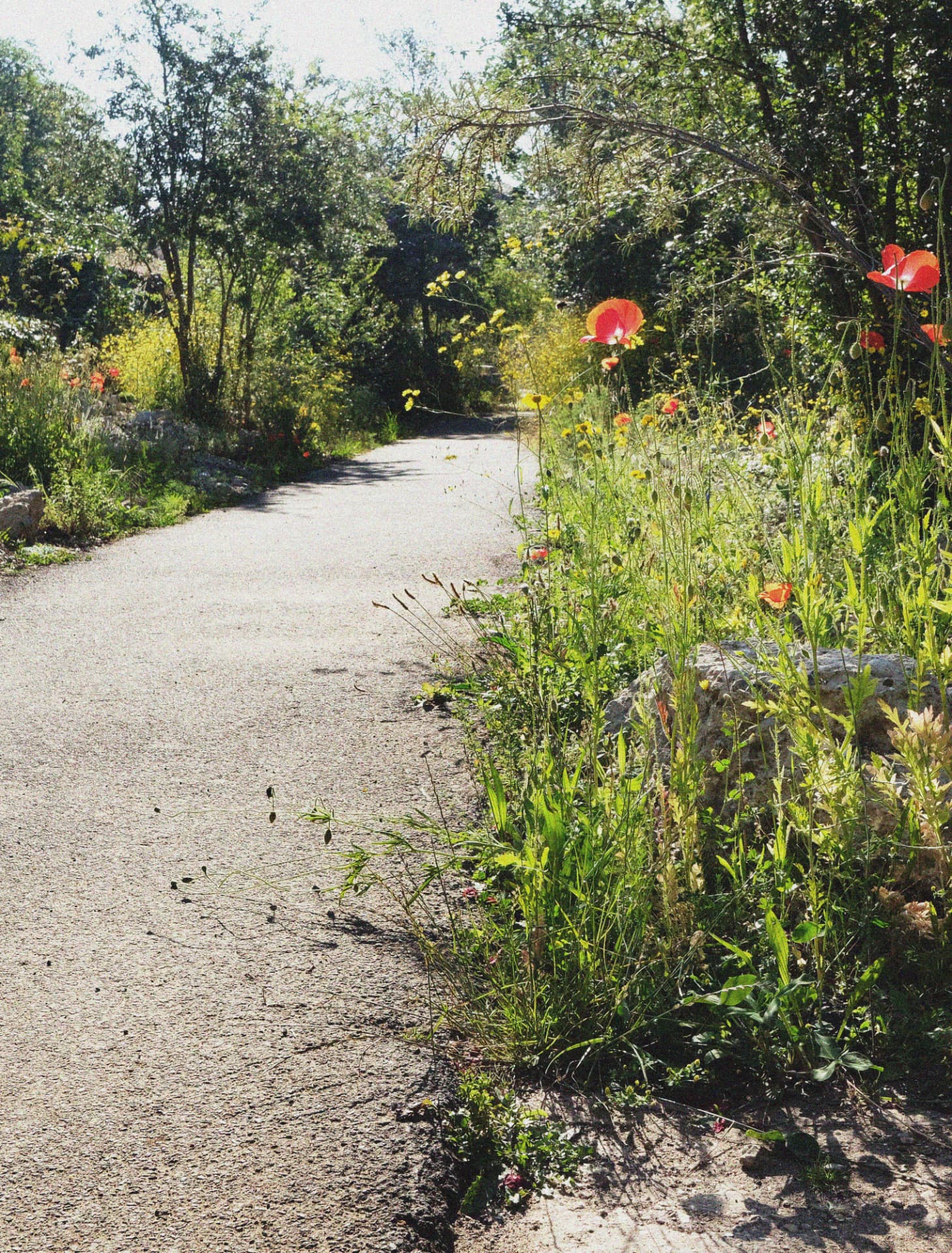
When we created the garden, we had a zero-waste policy, nothing left the site. This area is a demonstration of how crushed building rubble can be used to create the ideal spot for wildflowers and herbs that thrive in rocky soils. Lumps of concrete, bricks and sand are creatively positioned to create the perfect environment. There was a sense of artistry to the composition, though when the team stood back and admired their work a curious child walked by holding her mums hand and asked “Is this a cemetery?”. The next spring Gladesmore Gardening Club scattered native mixes of wildflowers and grasses which are now thriving.
The Crush Corridor ebbs and flows through the seasons, full of tough plants and a sanctuary for wildlife. At certain times it can look dry and tired, but it’s important to understand these natural rhythms as a part of a wilder way for our cities.
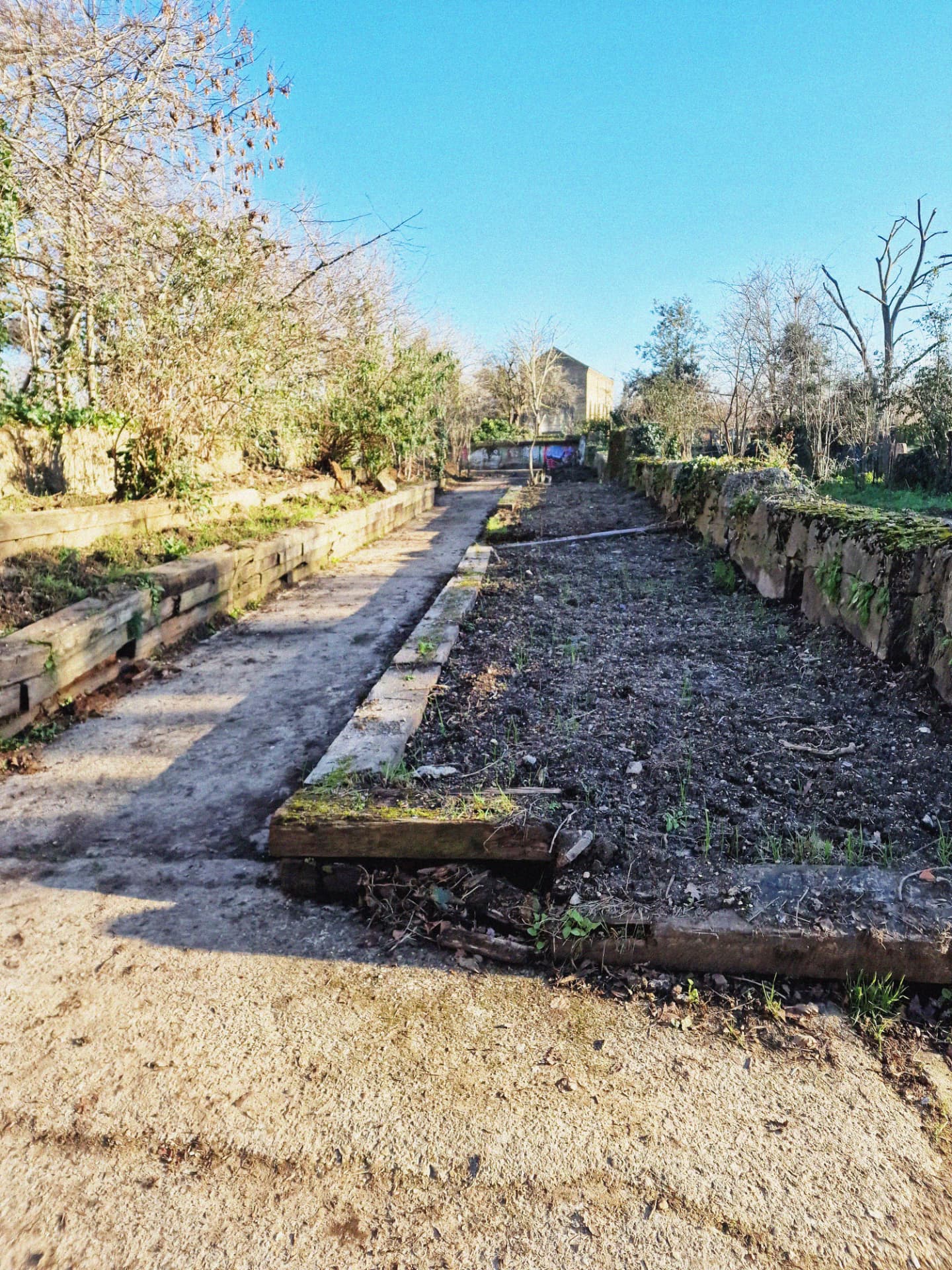
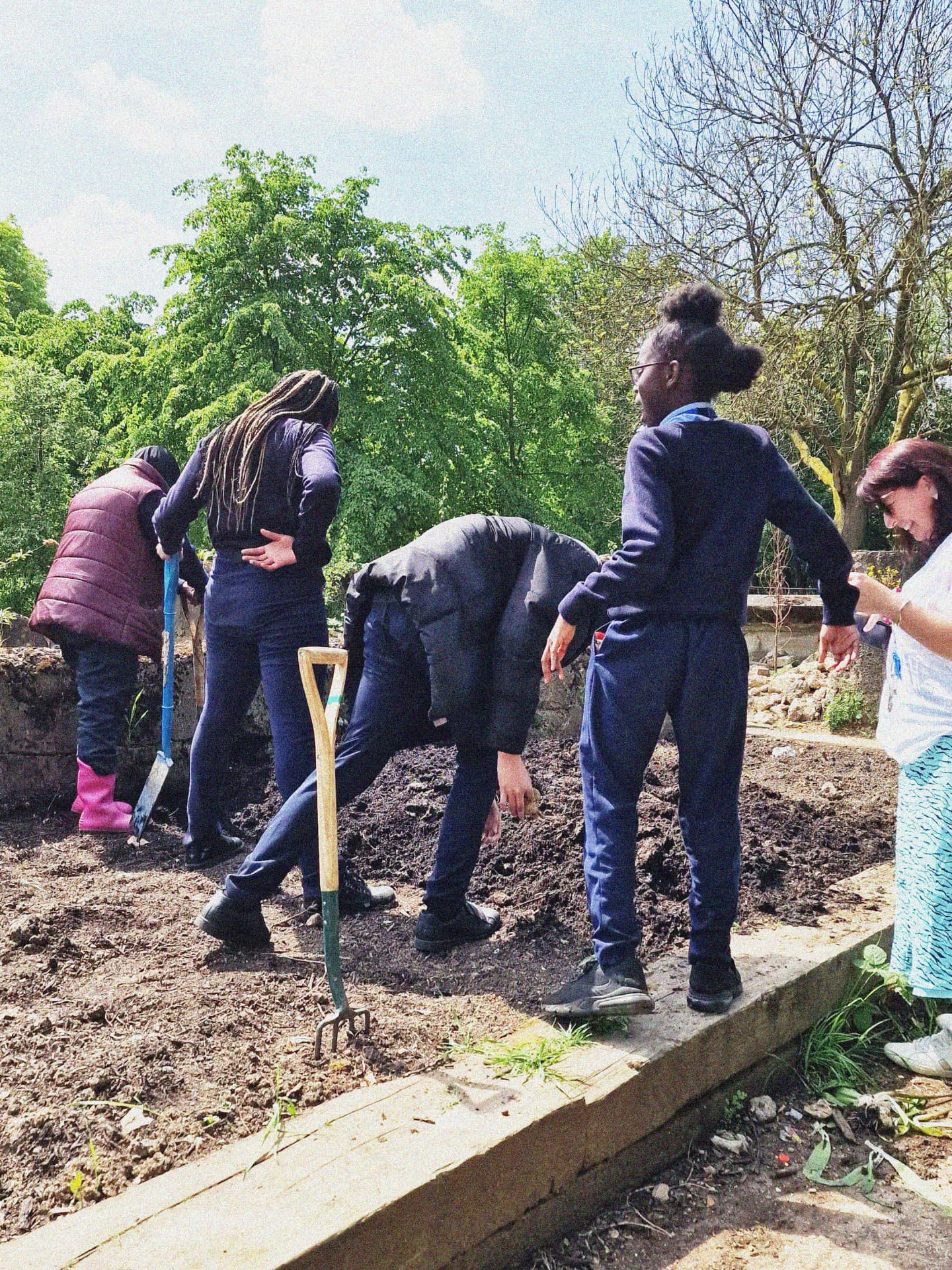
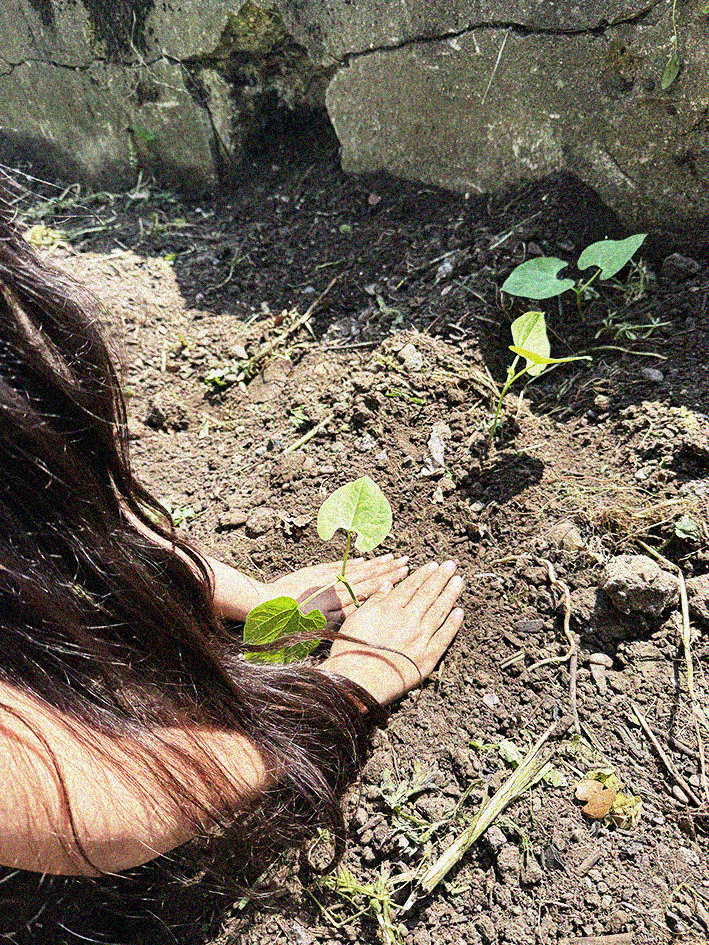
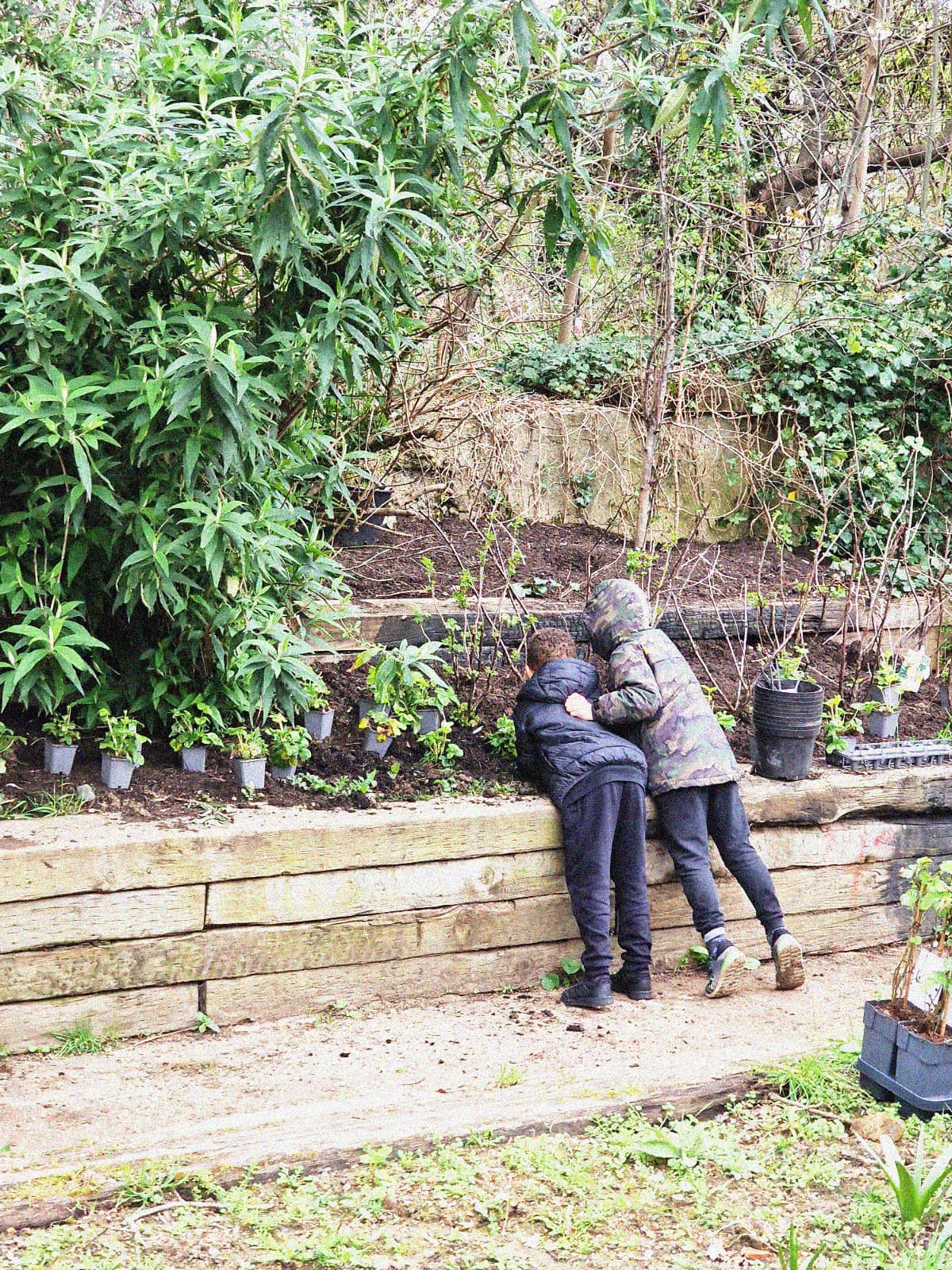
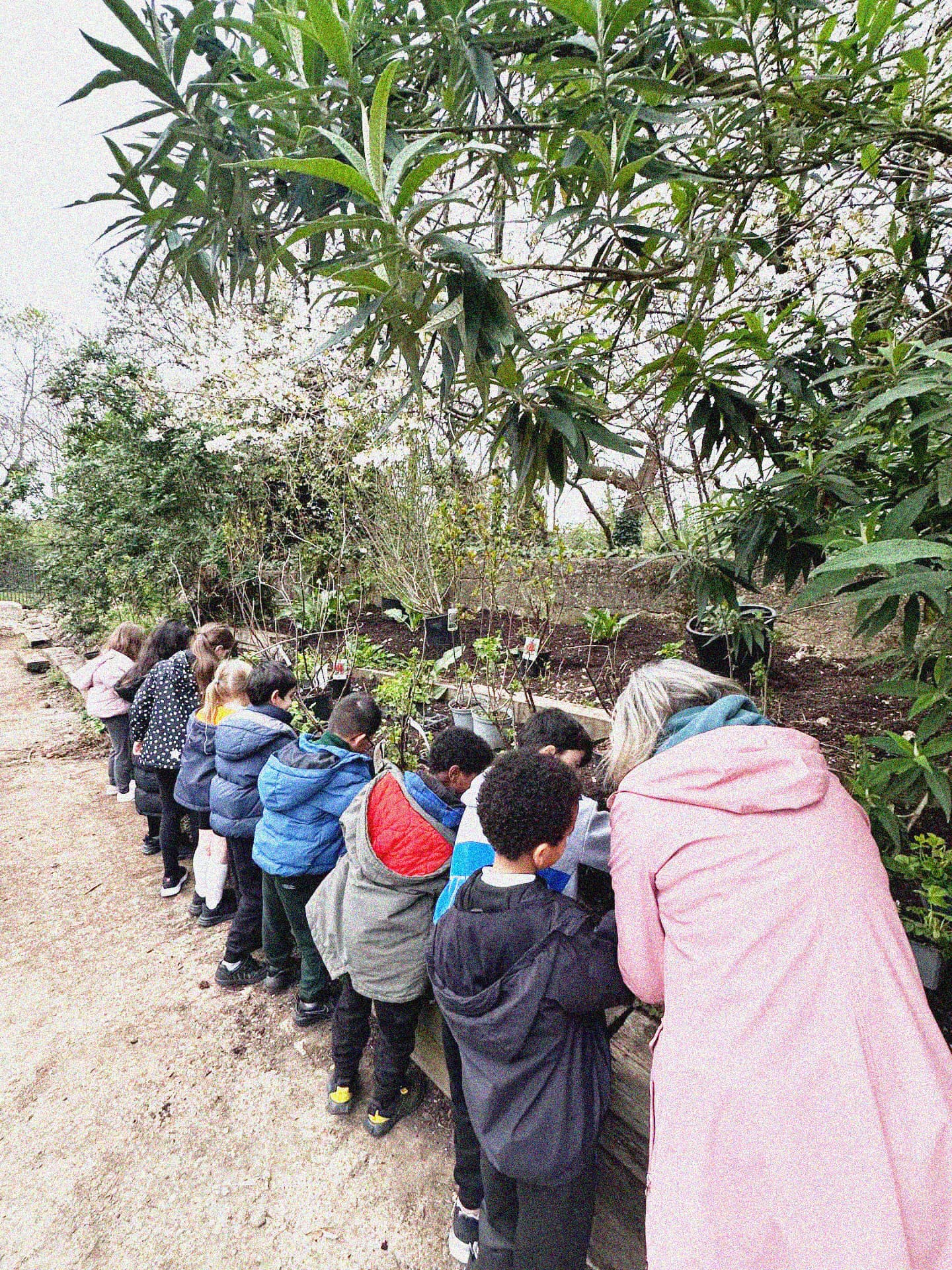
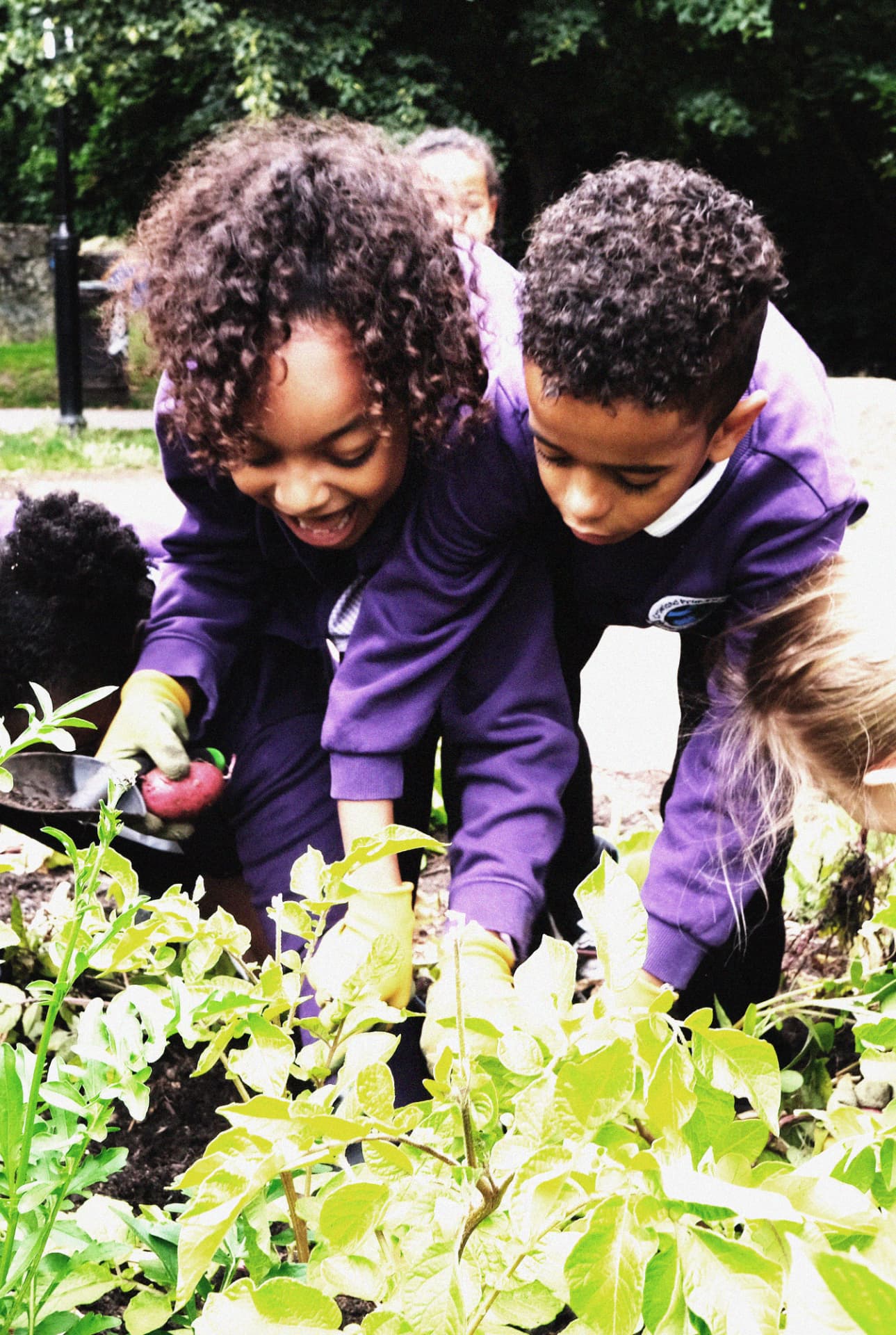
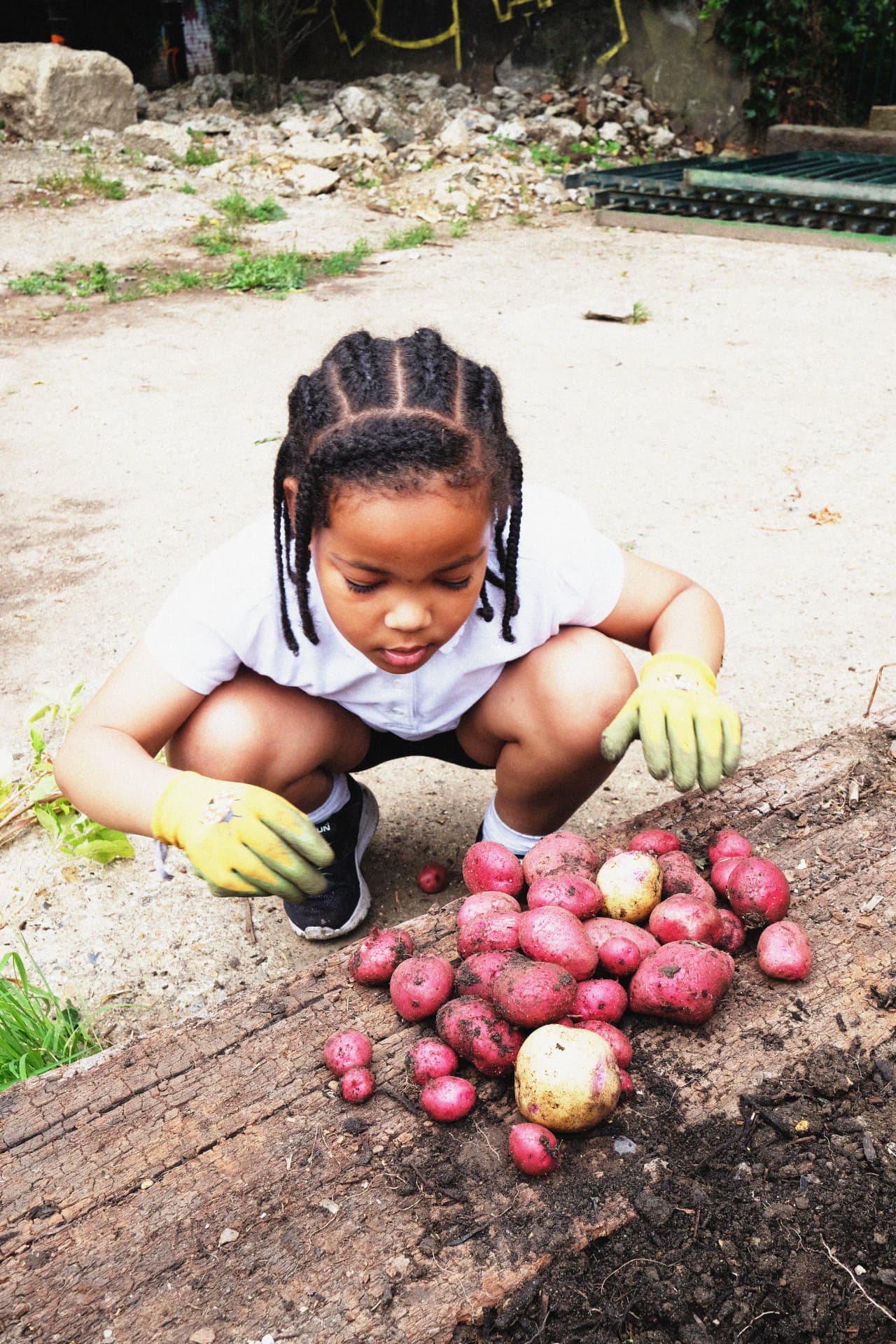
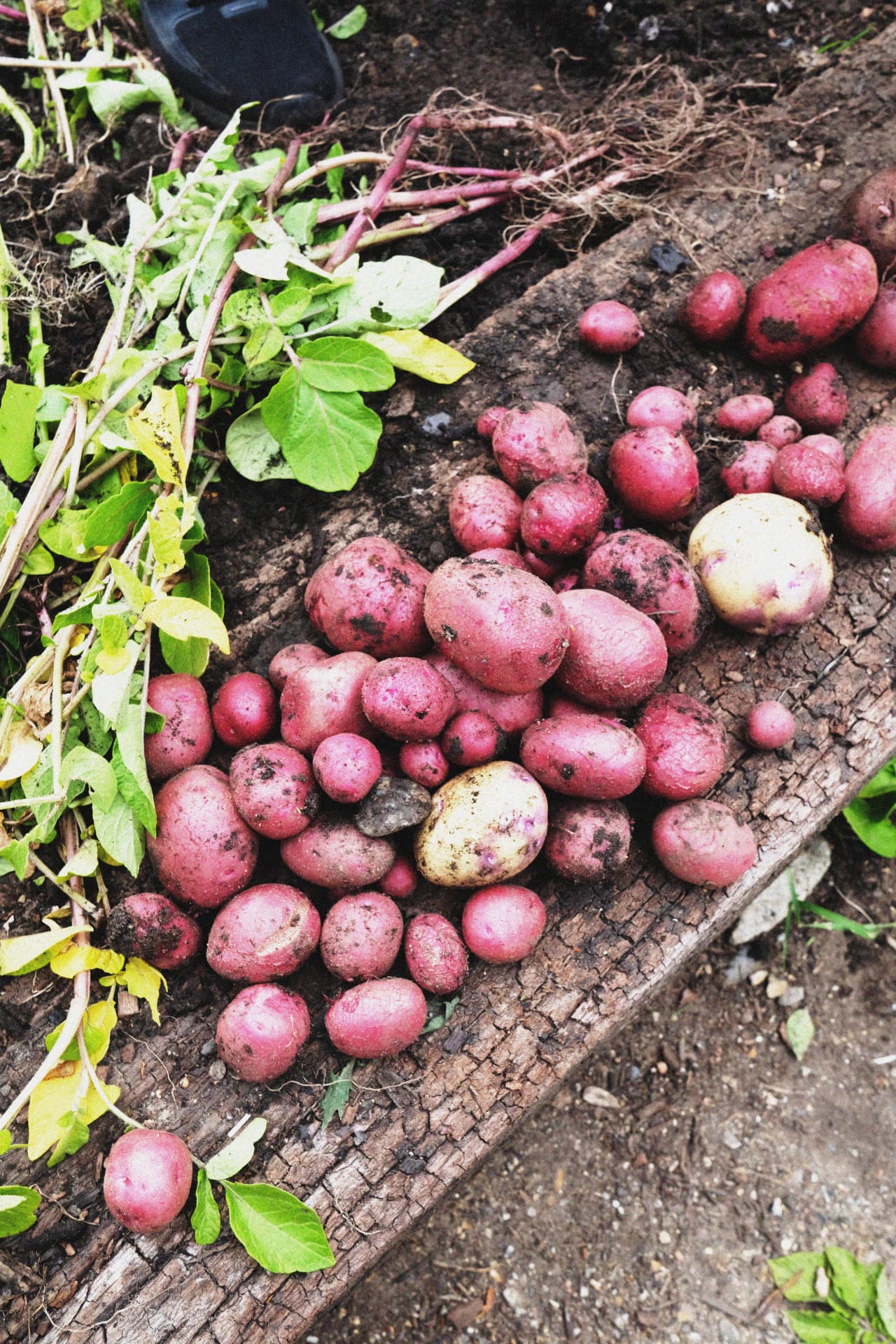
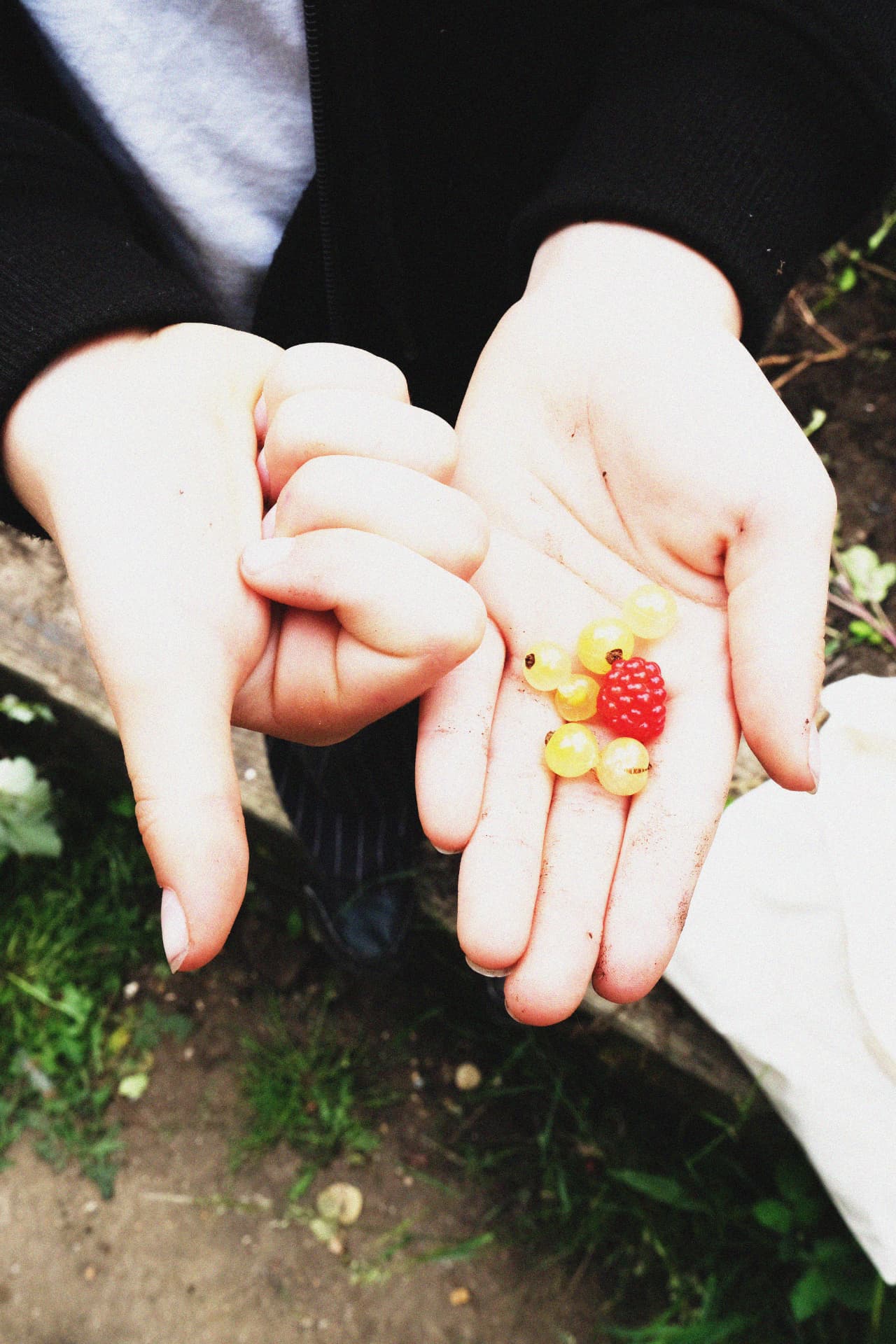
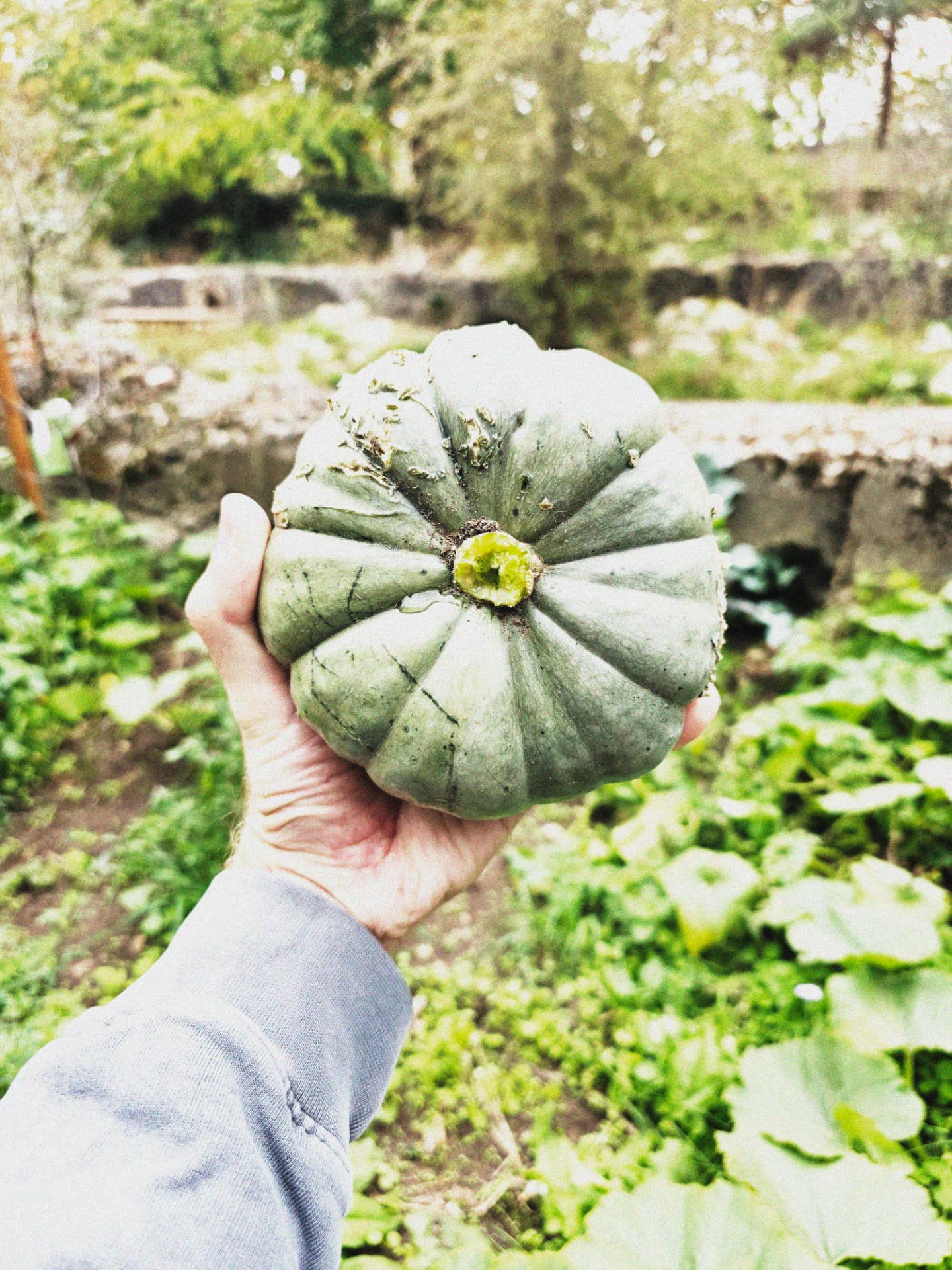
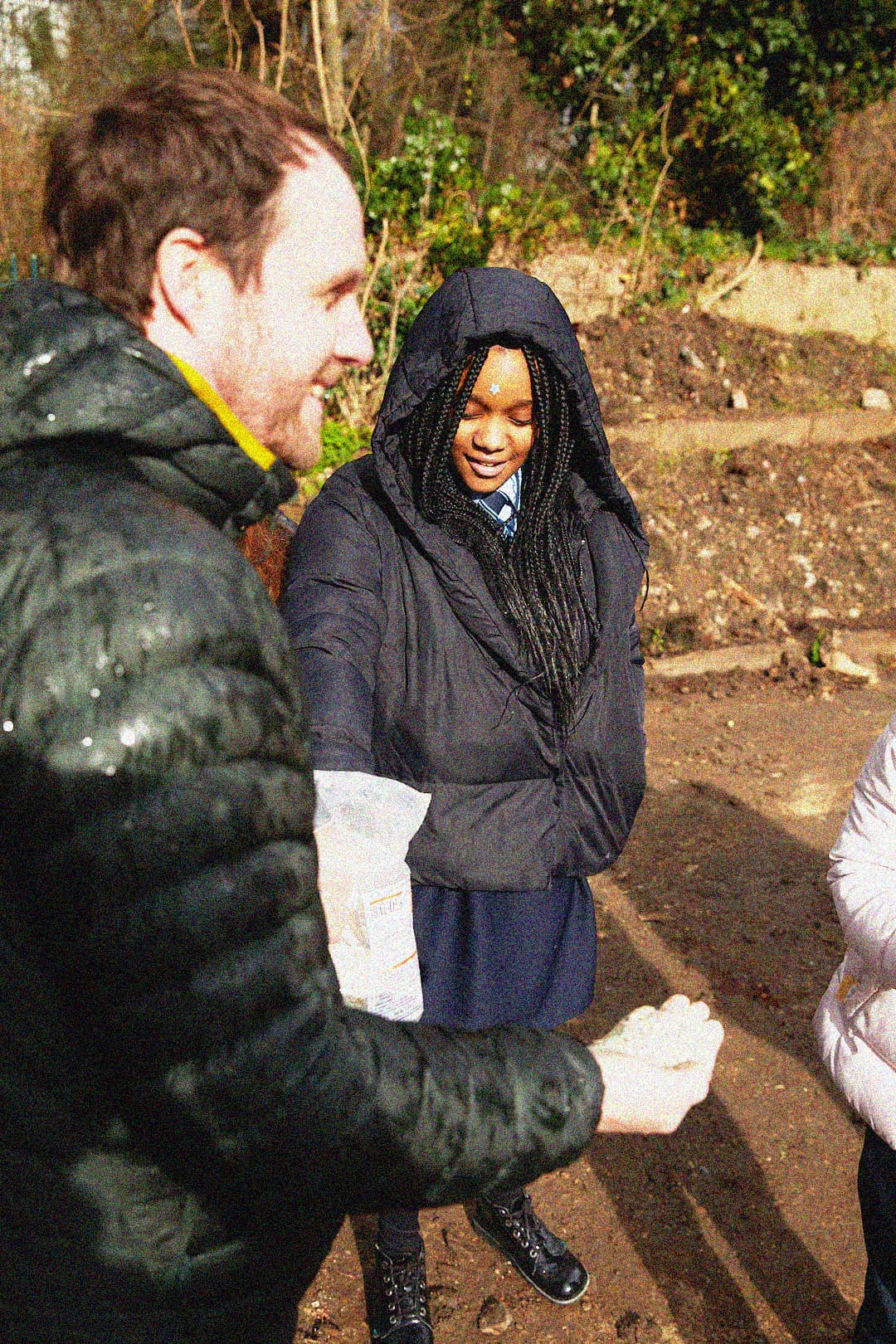
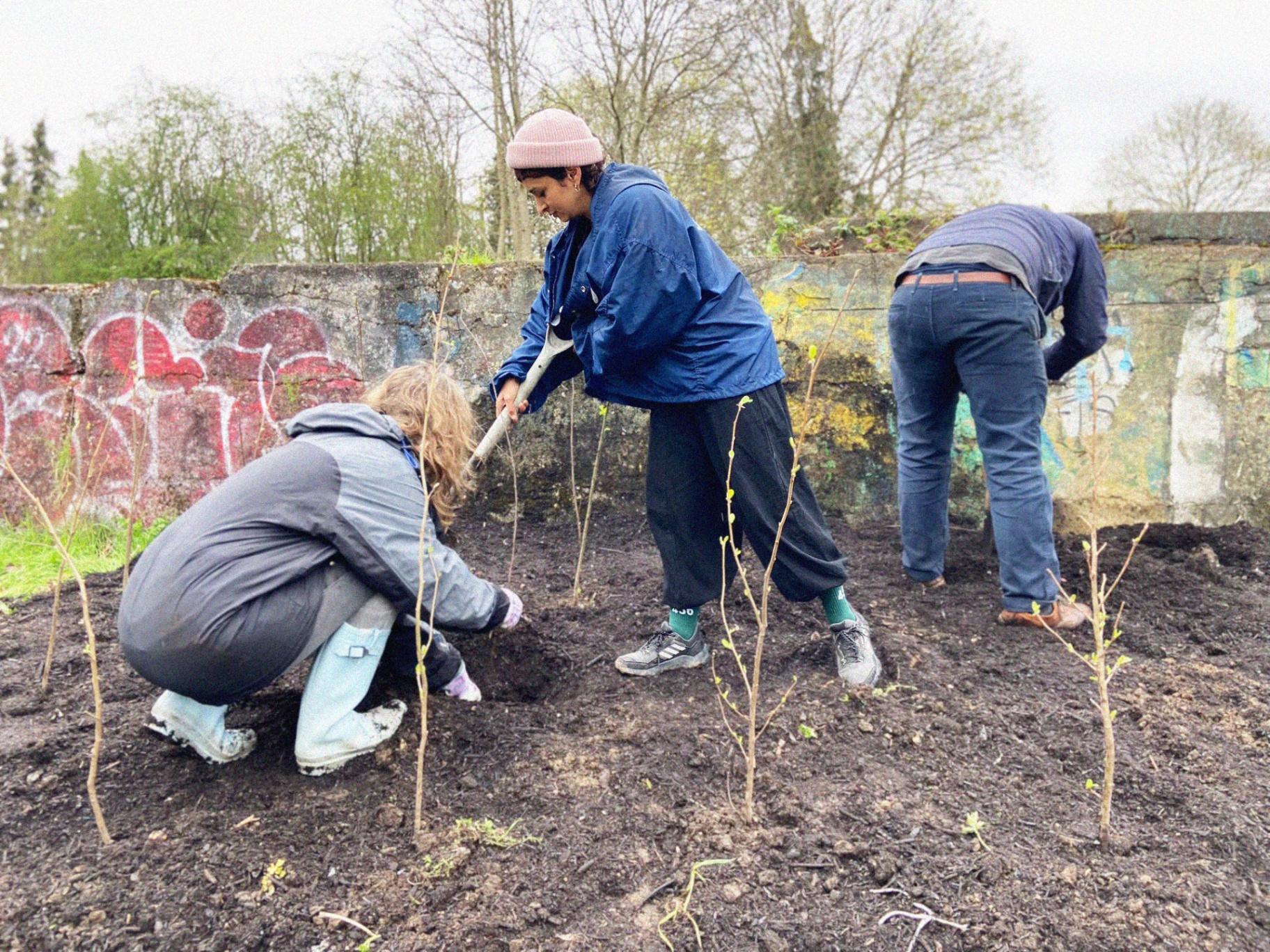
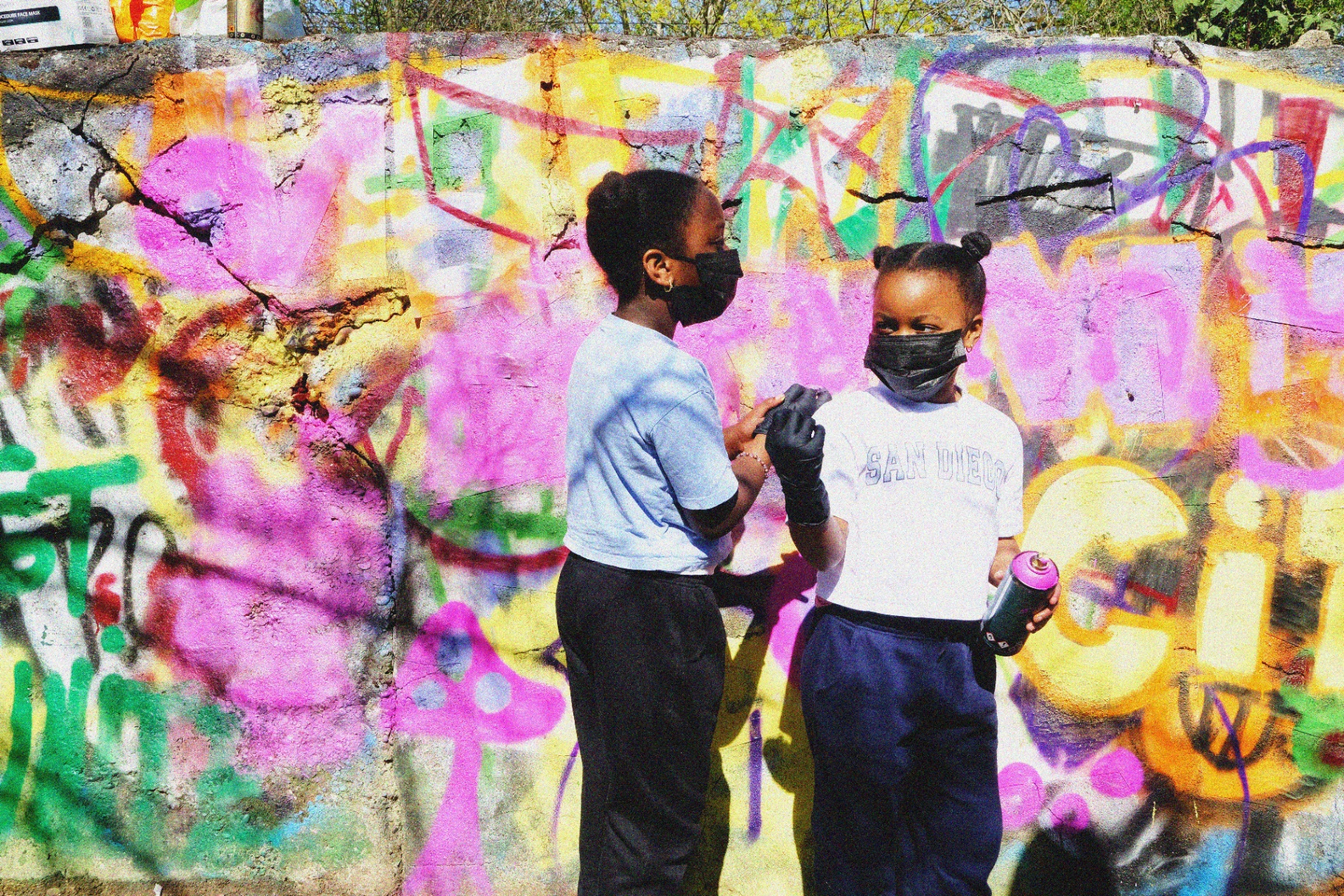
A lot of the garden has what we call a “light touch” approach, but the allotment area is about getting stuck in; cultivating, planting and sowing vegetable seeds, and then waiting for the harvest! We’ve been blessed to have regular Friday visits from Gladesmore School Gardening club who love to get their hands in the earth. We’ve been so impressed by the kid’s passion and interest but also their care for each other and the land around them. The future looks bright!
Growing food brings people together, so we will continue developing this space to bring even more of it to the garden. We are exploring natural farming techniques and working with experts to create a greater understanding of the benefits urban spaces can have by finding harmony through growing food and encouraging a wilder way.
The food here is for all, so please help yourself, to both the allotment crops and the bounty found in our edible hedgerow. Take what you need but leave what you can for others to enjoy too!
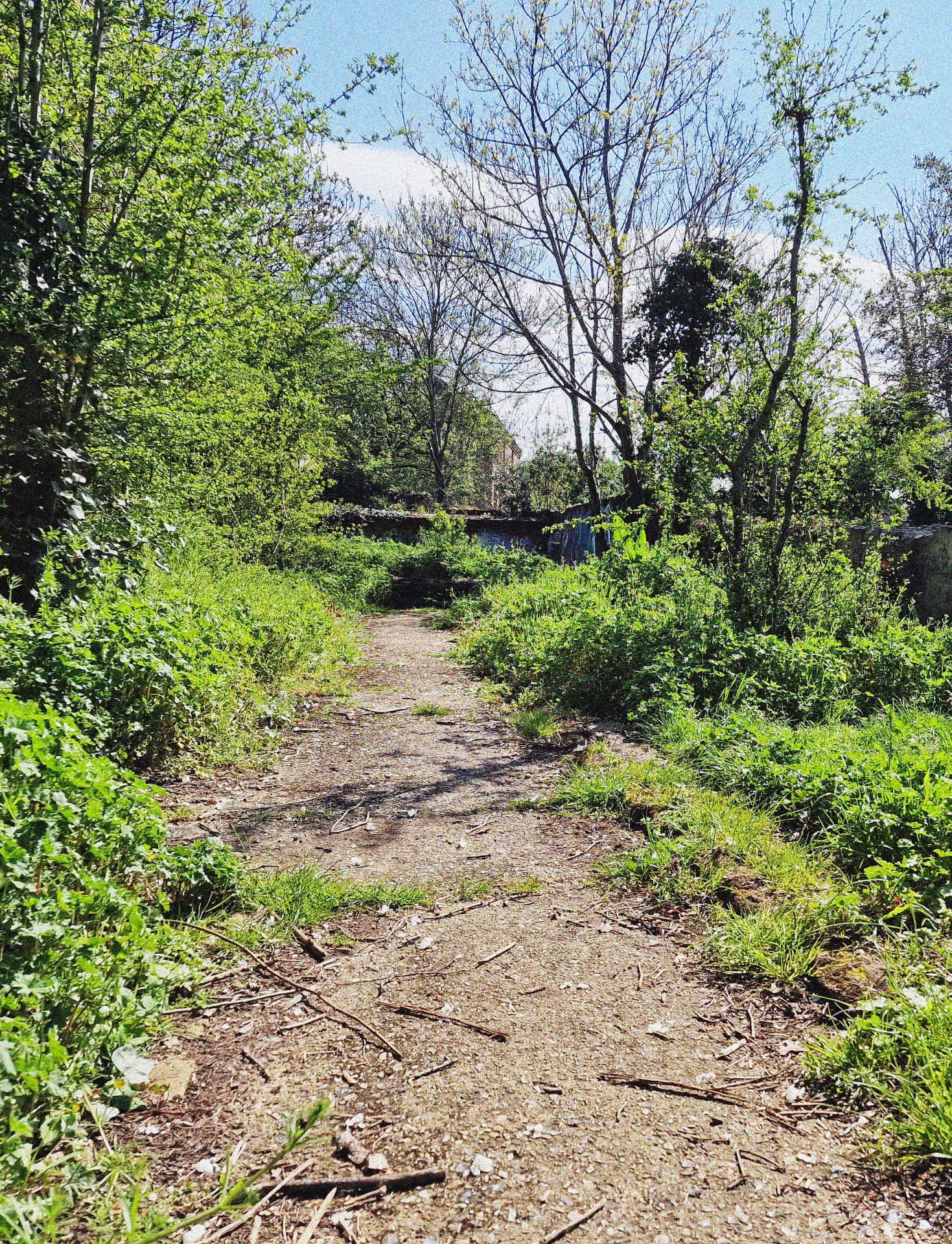
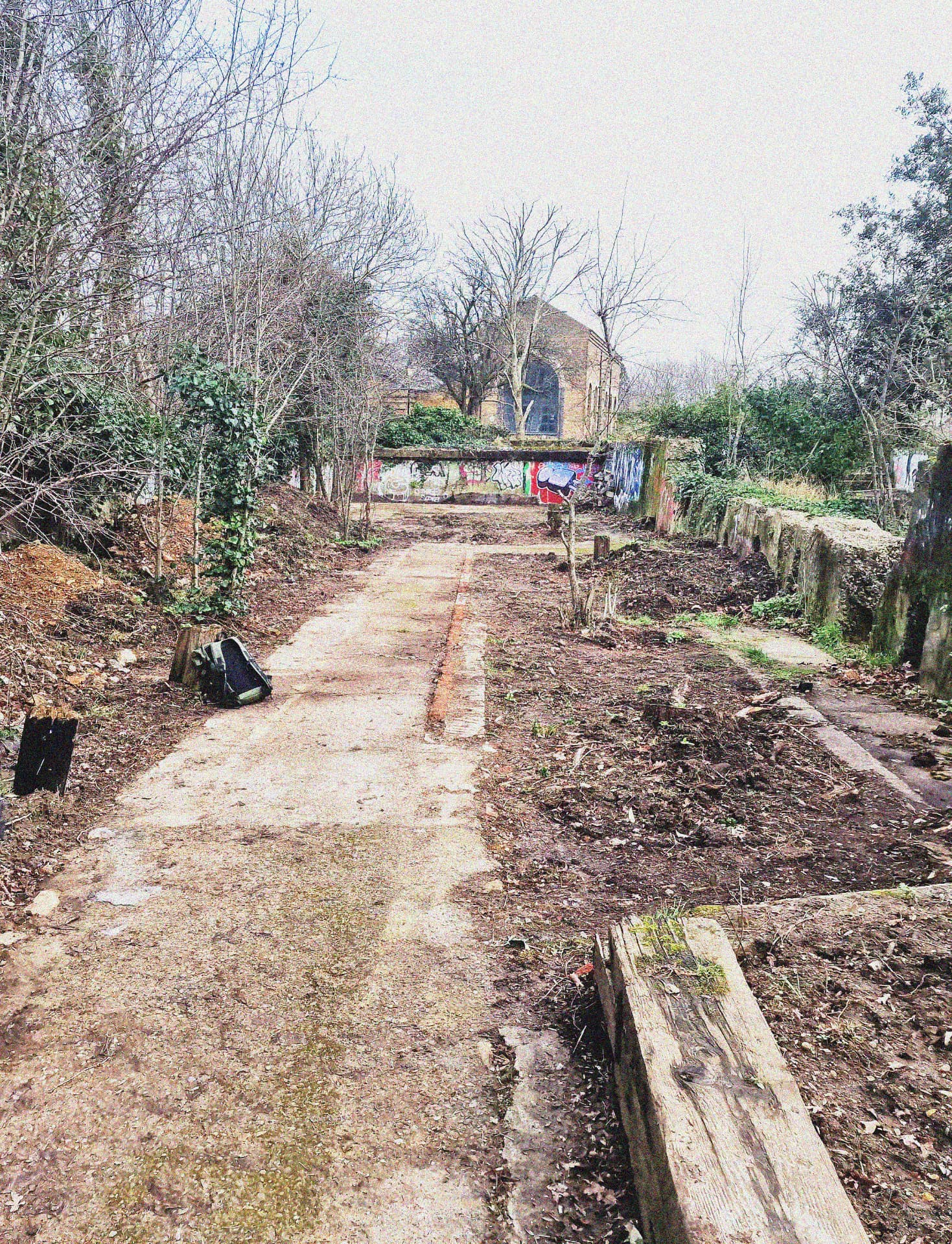
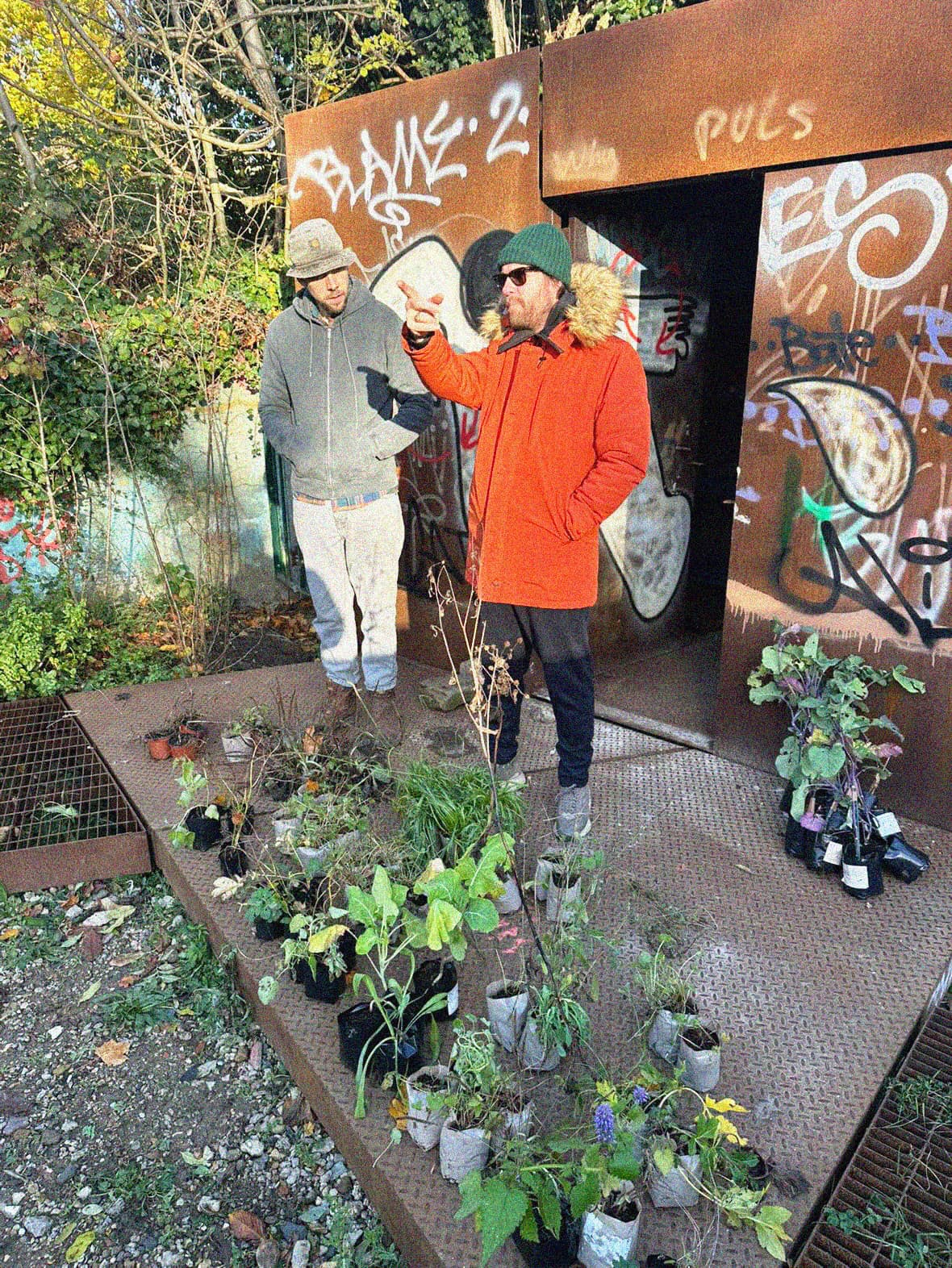
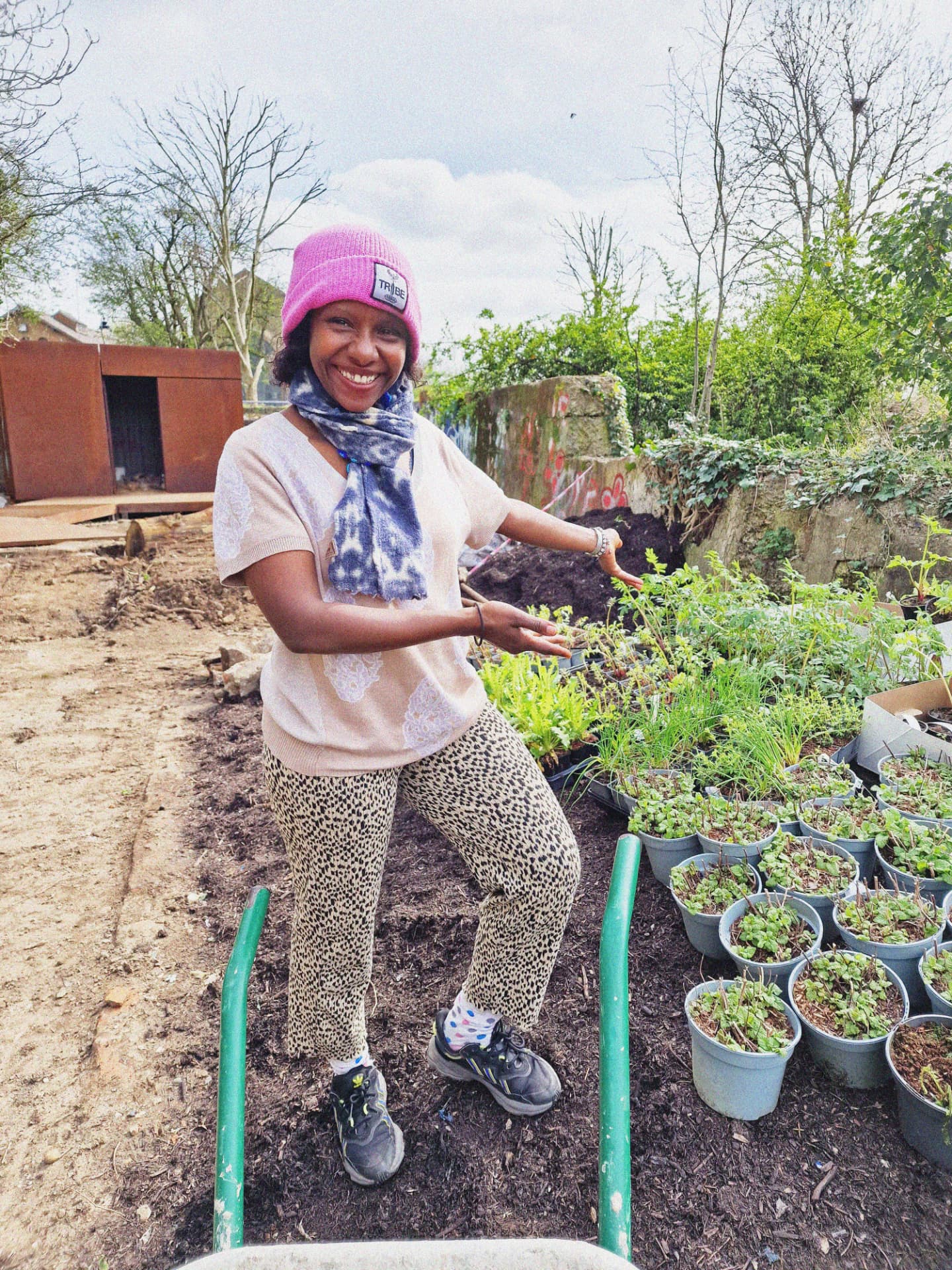
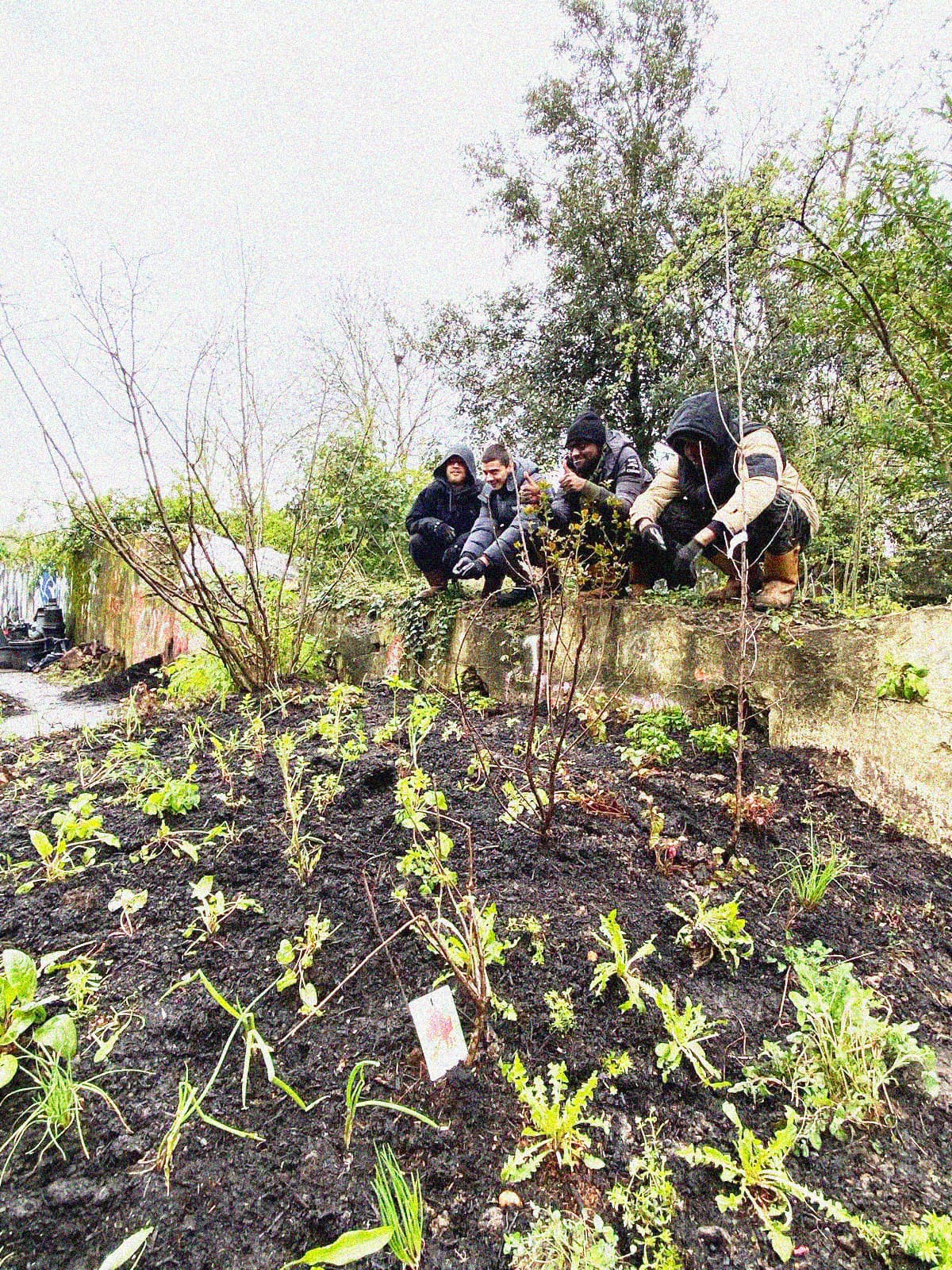
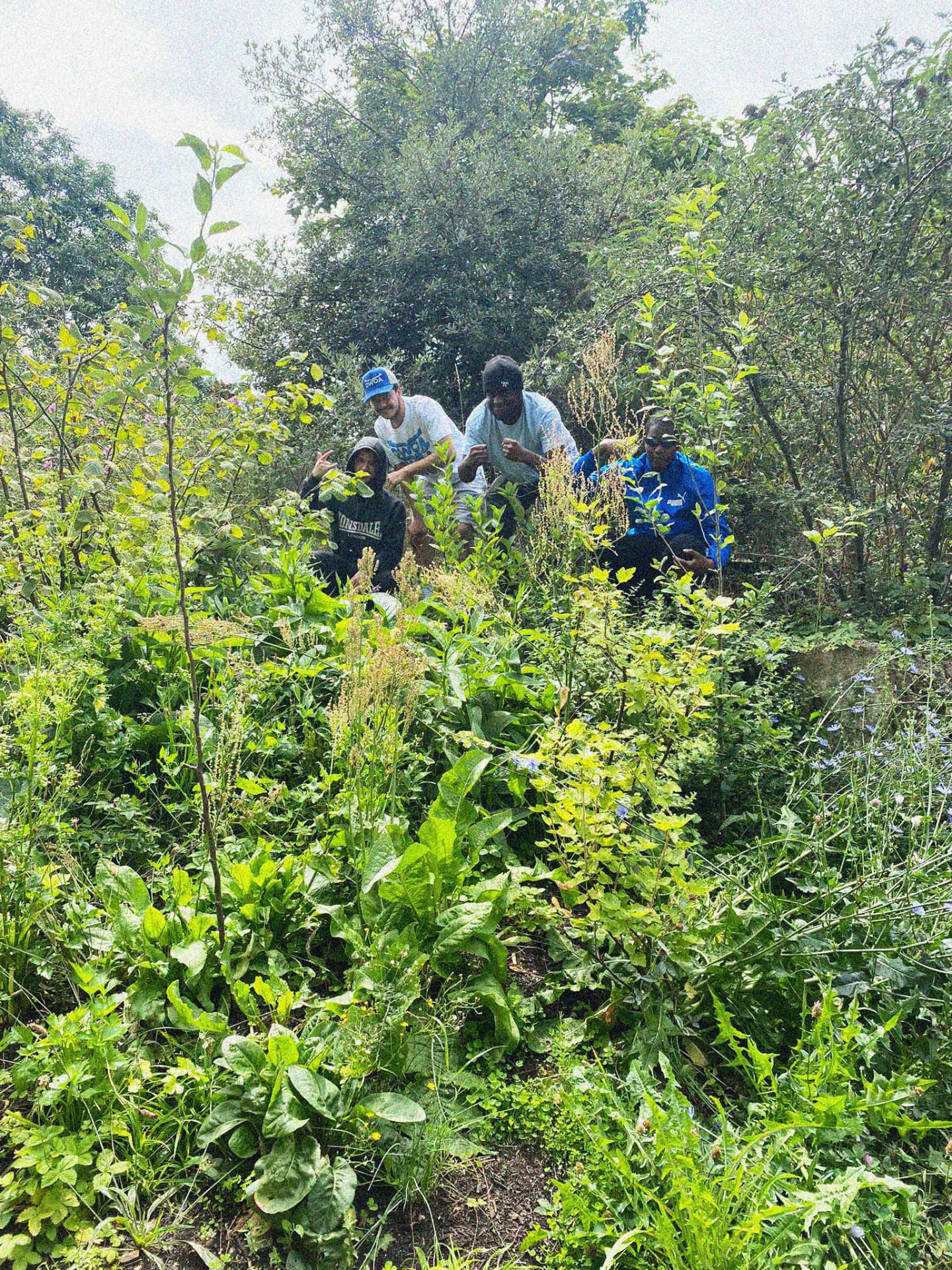
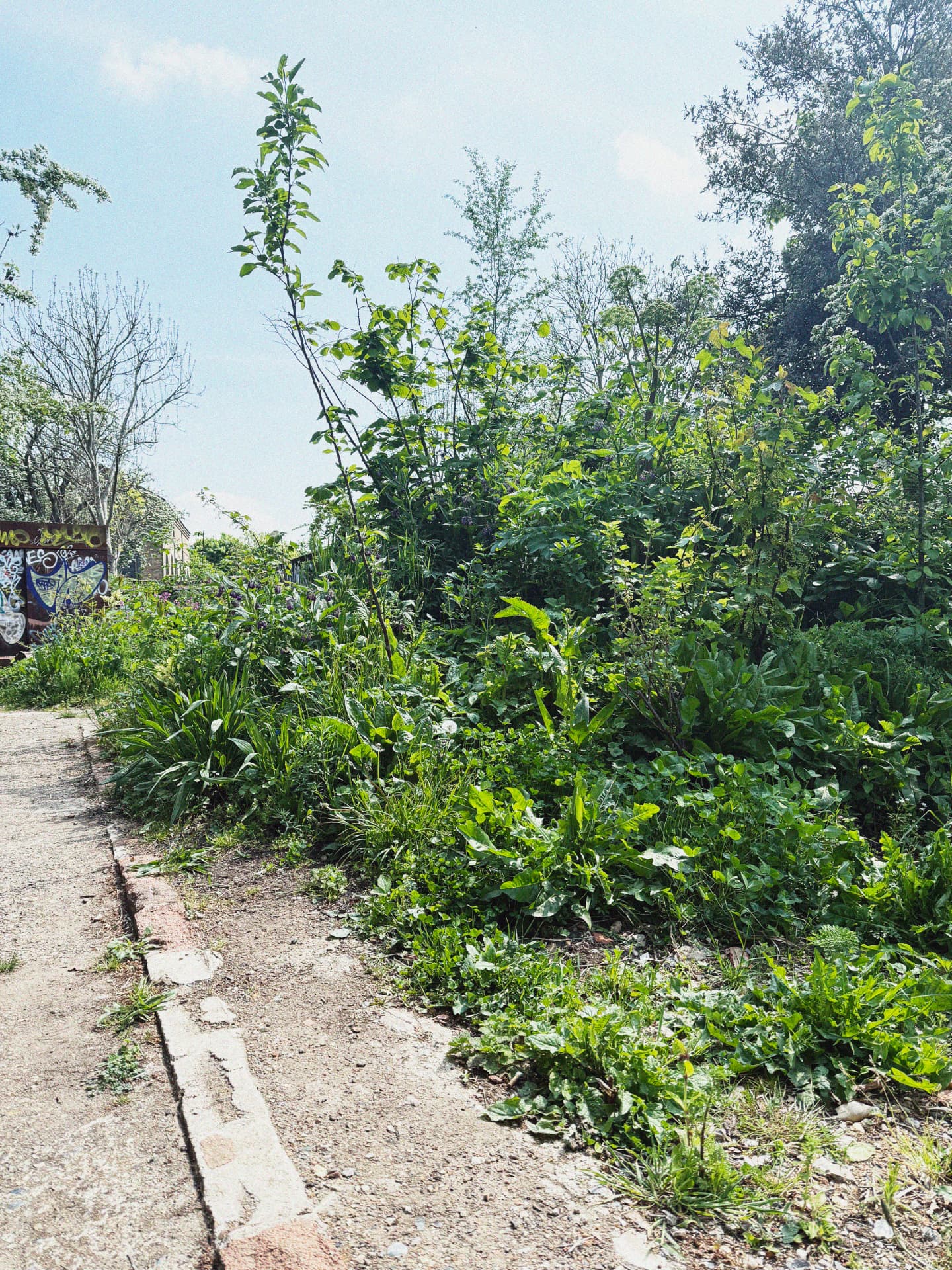
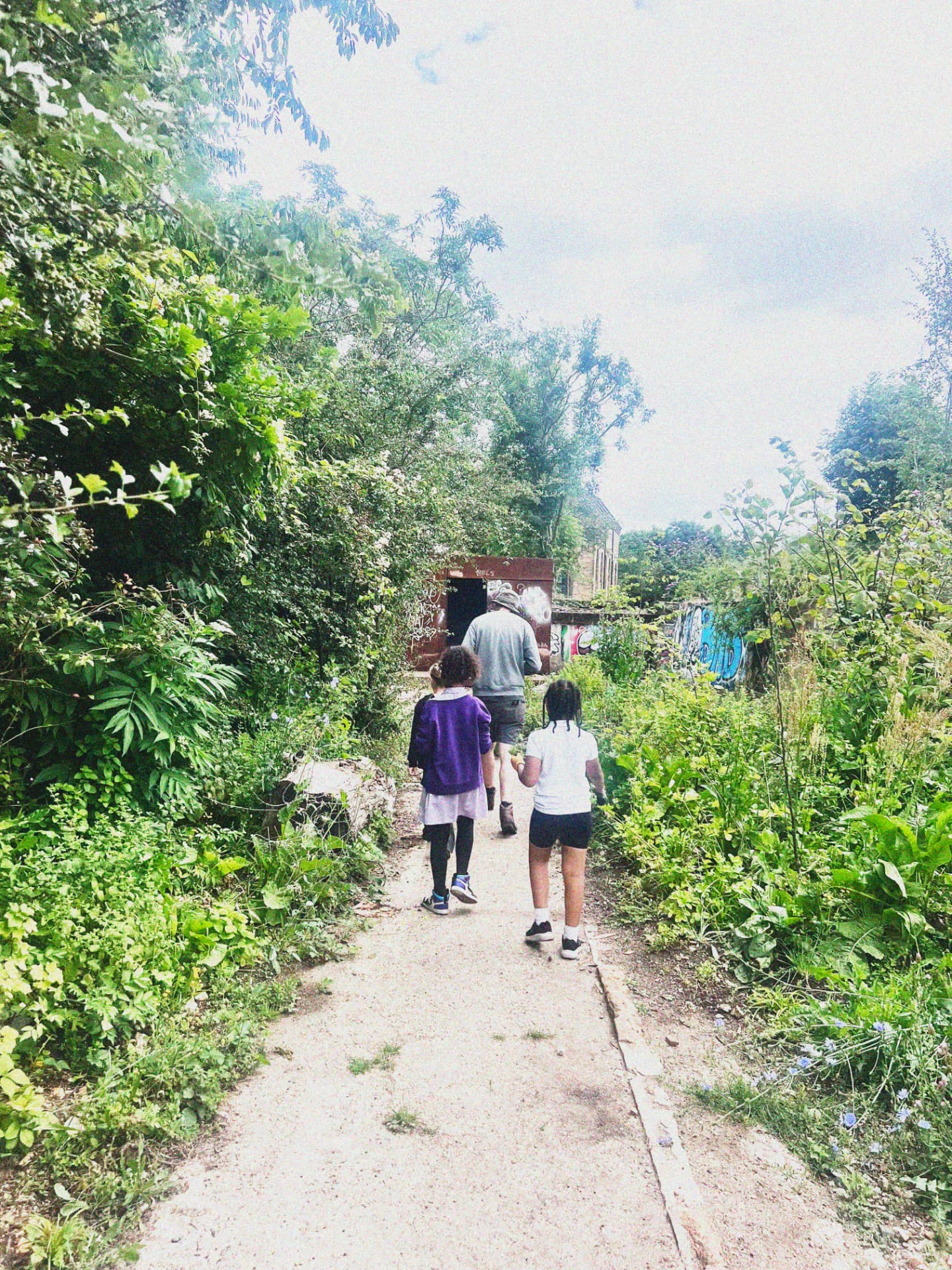
A food forest is designed using edible plants that grow together in harmony. It’s about tiered layers of plants; roots and groundcovers, herbaceous plants, shrubs, small and large trees and vines. We take inspiration from nature where plants interconnect and thrive. Perennial vegetables are sometimes termed “edimentals” as they are both good looking, edible and great to use in public spaces as they are resilient and great for local wildlife.
We have limited access to water in the garden, so we work with nature, letting plants intermingle to support each other and build better soil health for longevity.
There’s plenty to harvest and it’s always amazing to see food across the seasons being foraged by the locals. There’s not enough food here to feed the masses but understanding the connection between the earth and growing food is an important lesson for us all.
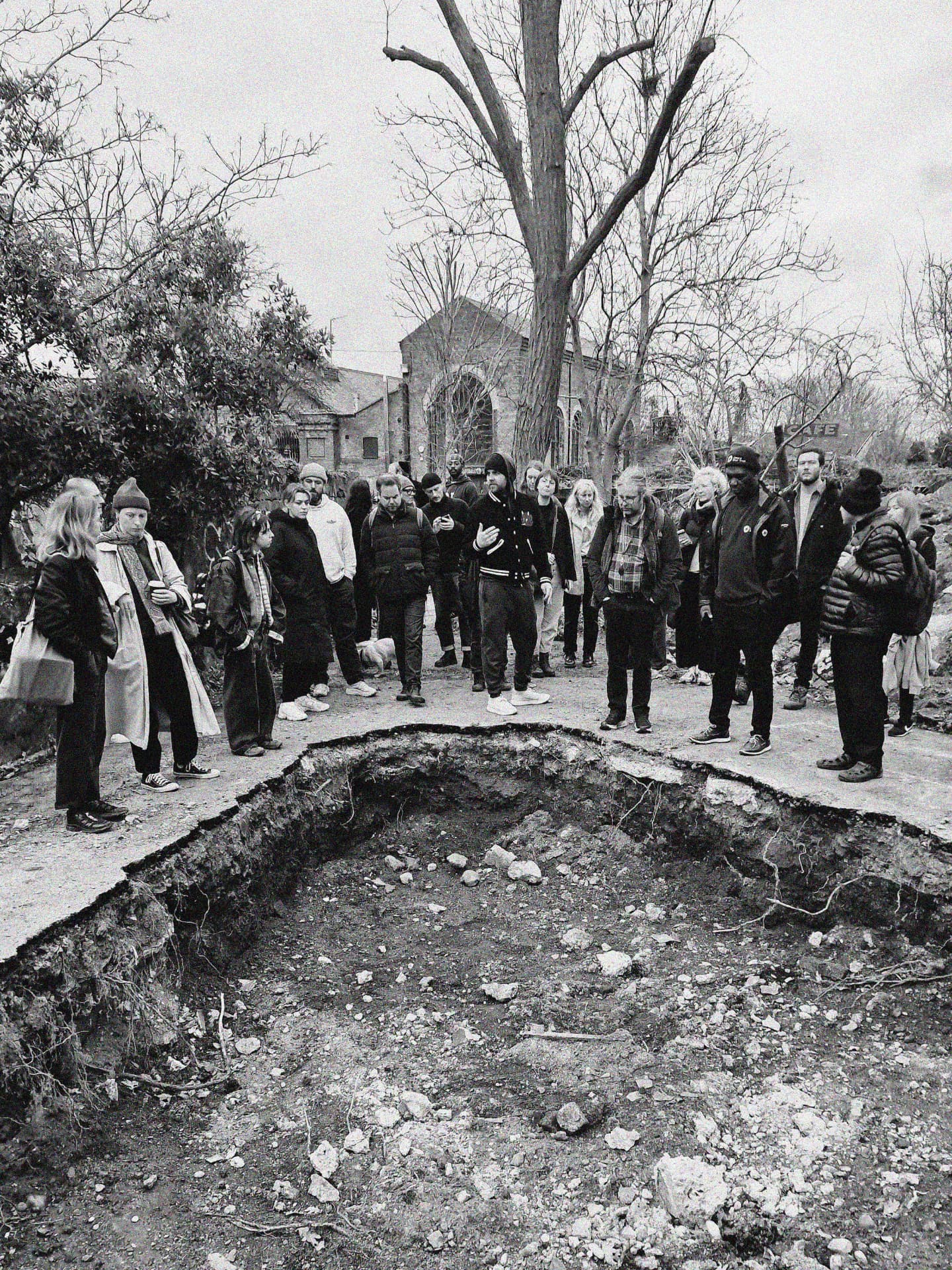
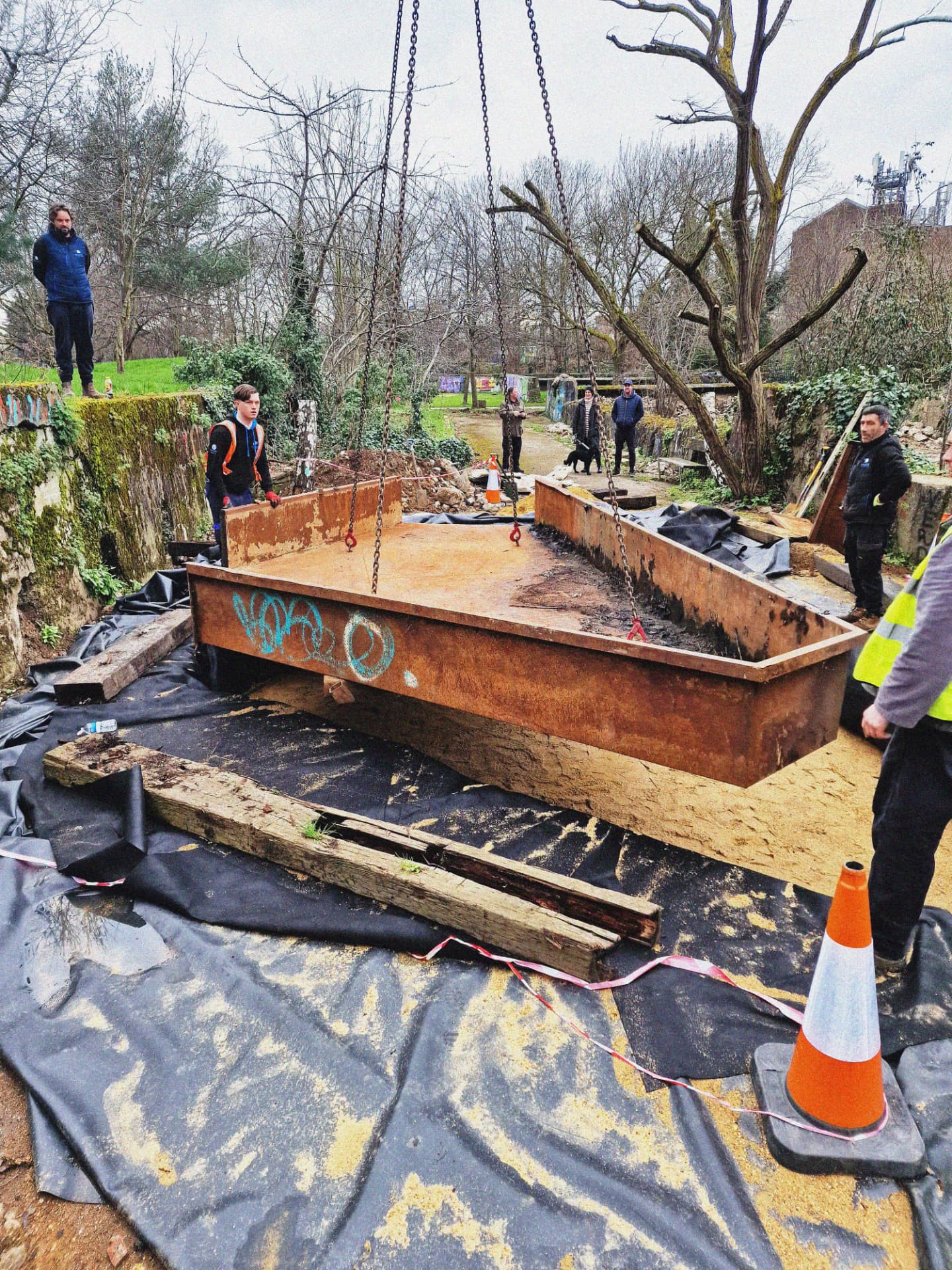
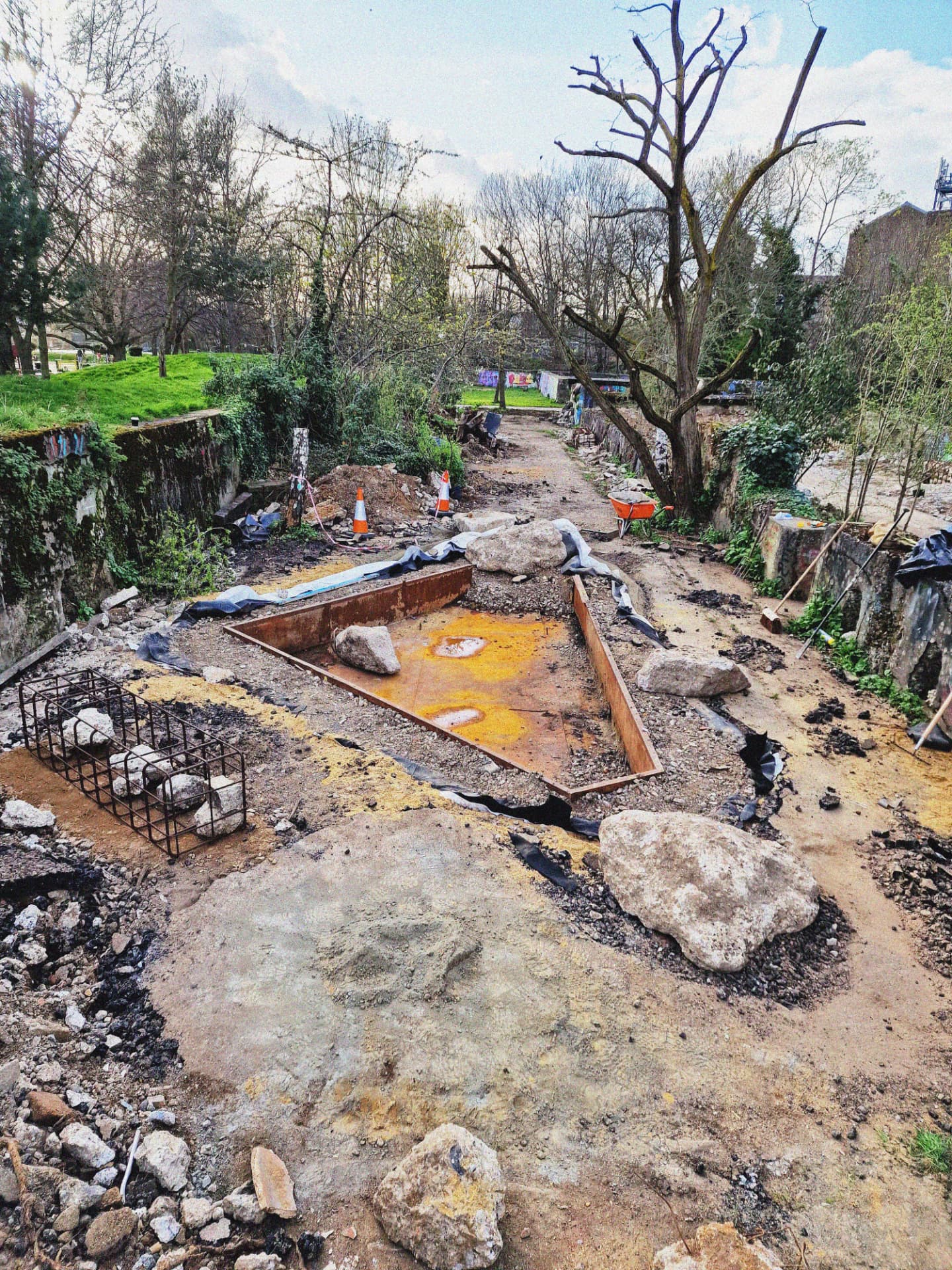
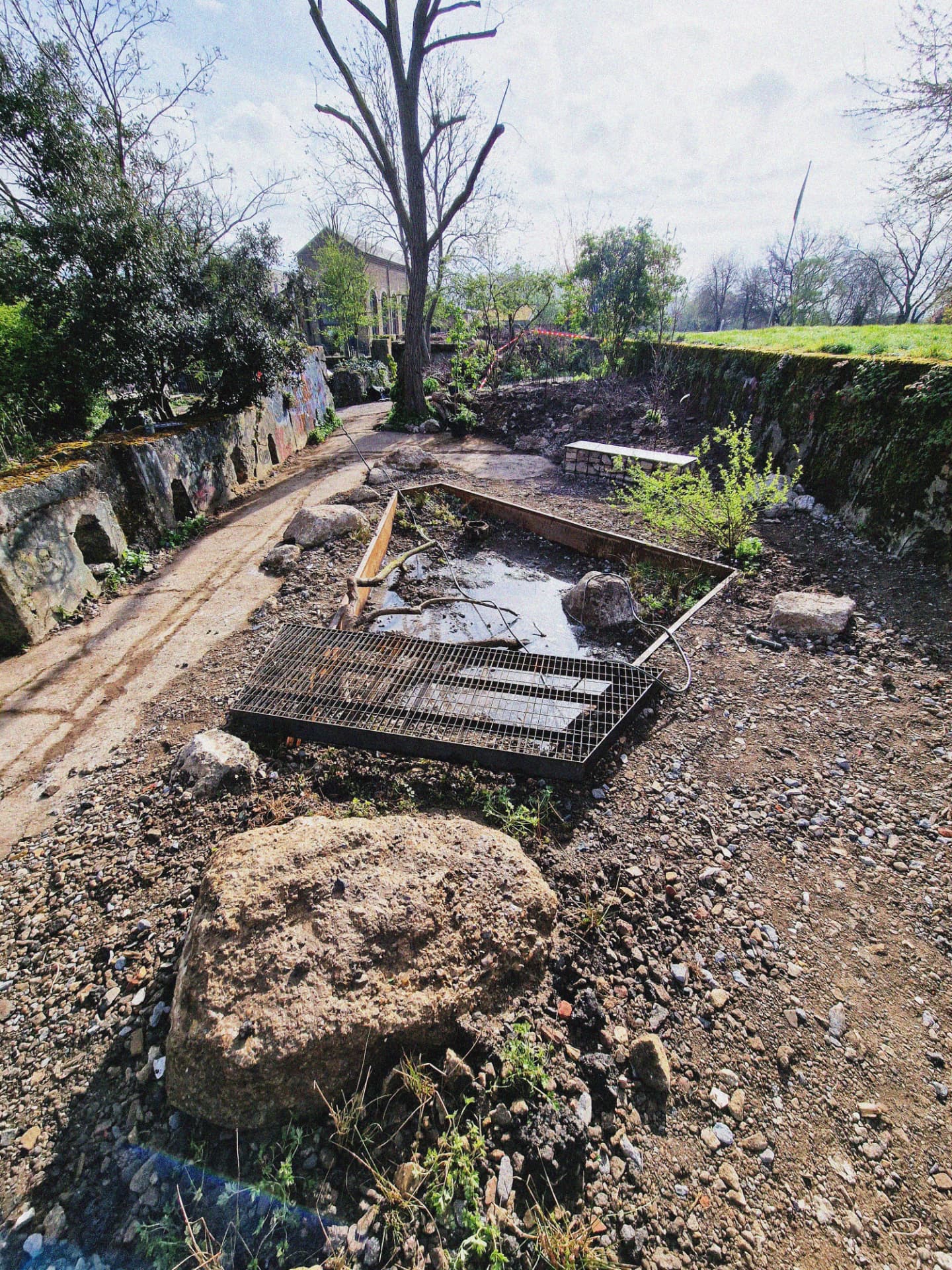
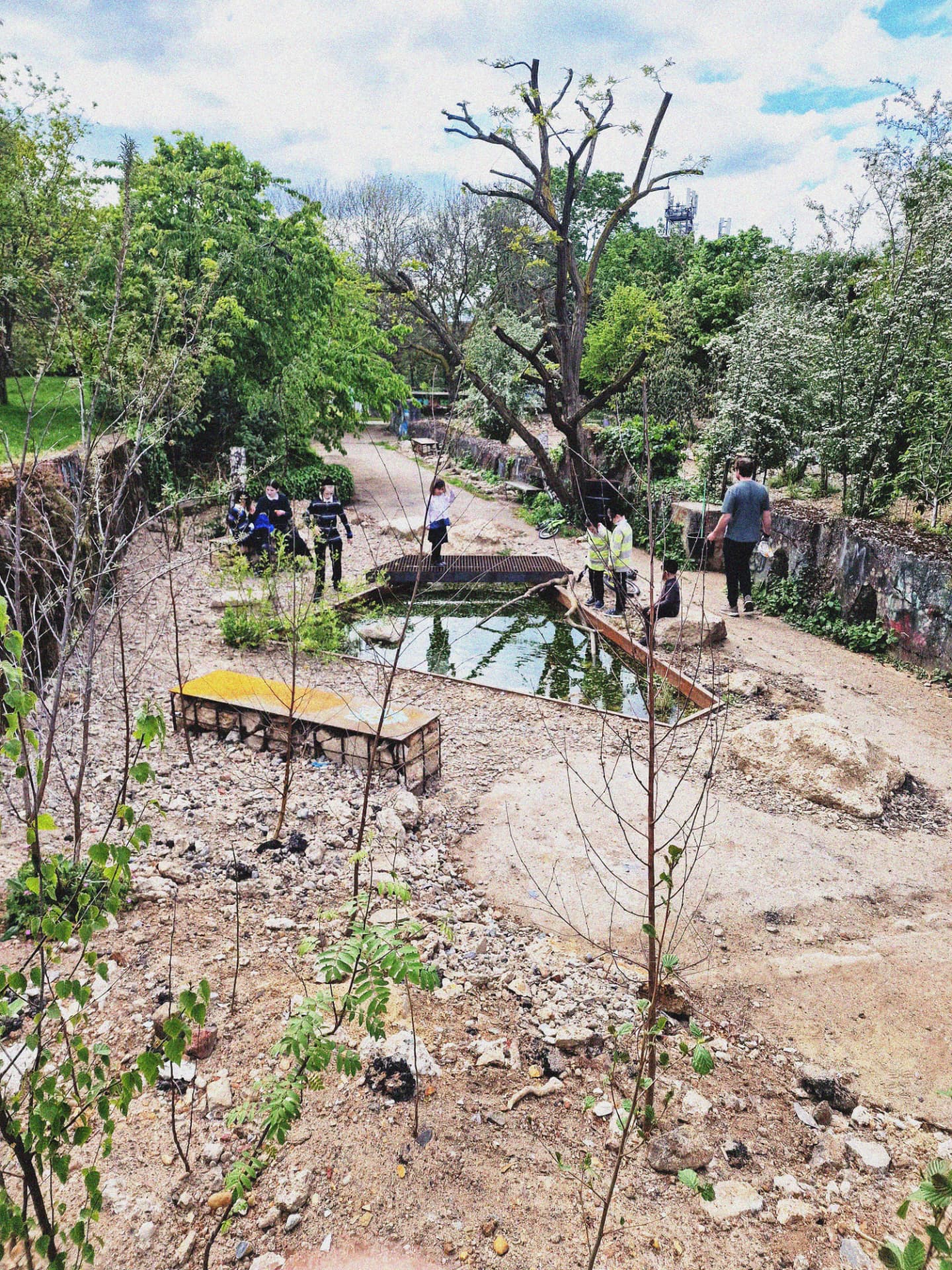
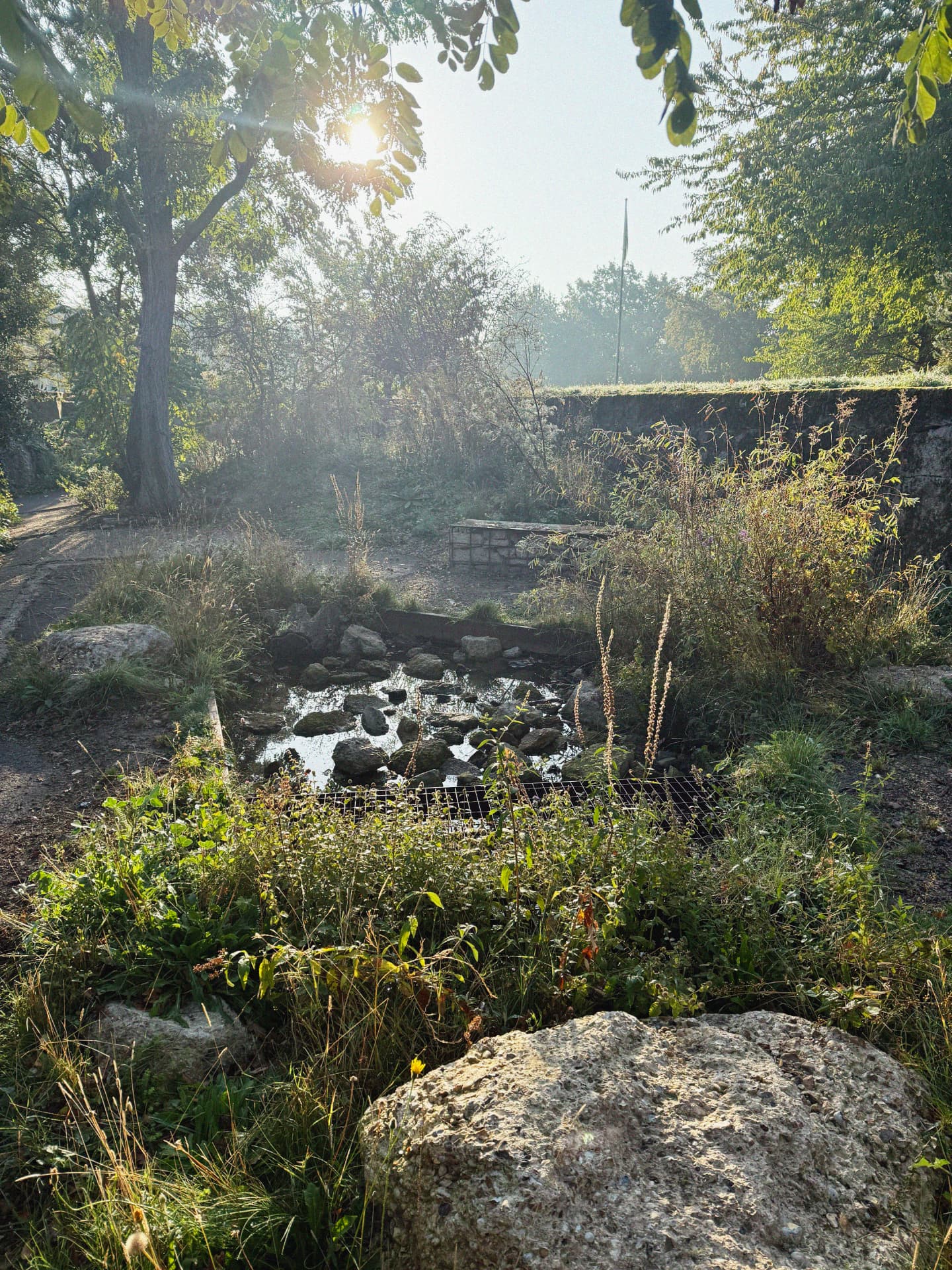
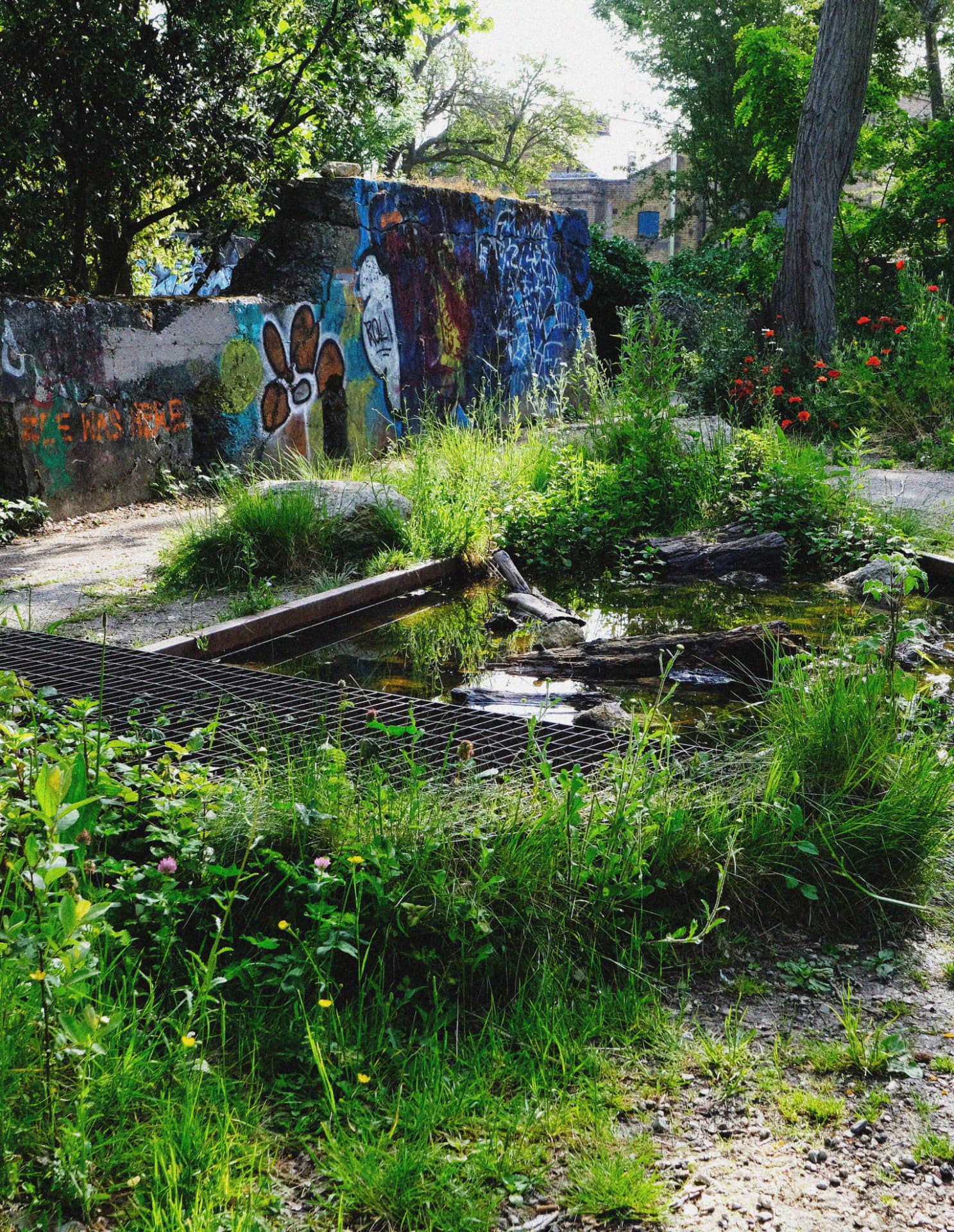
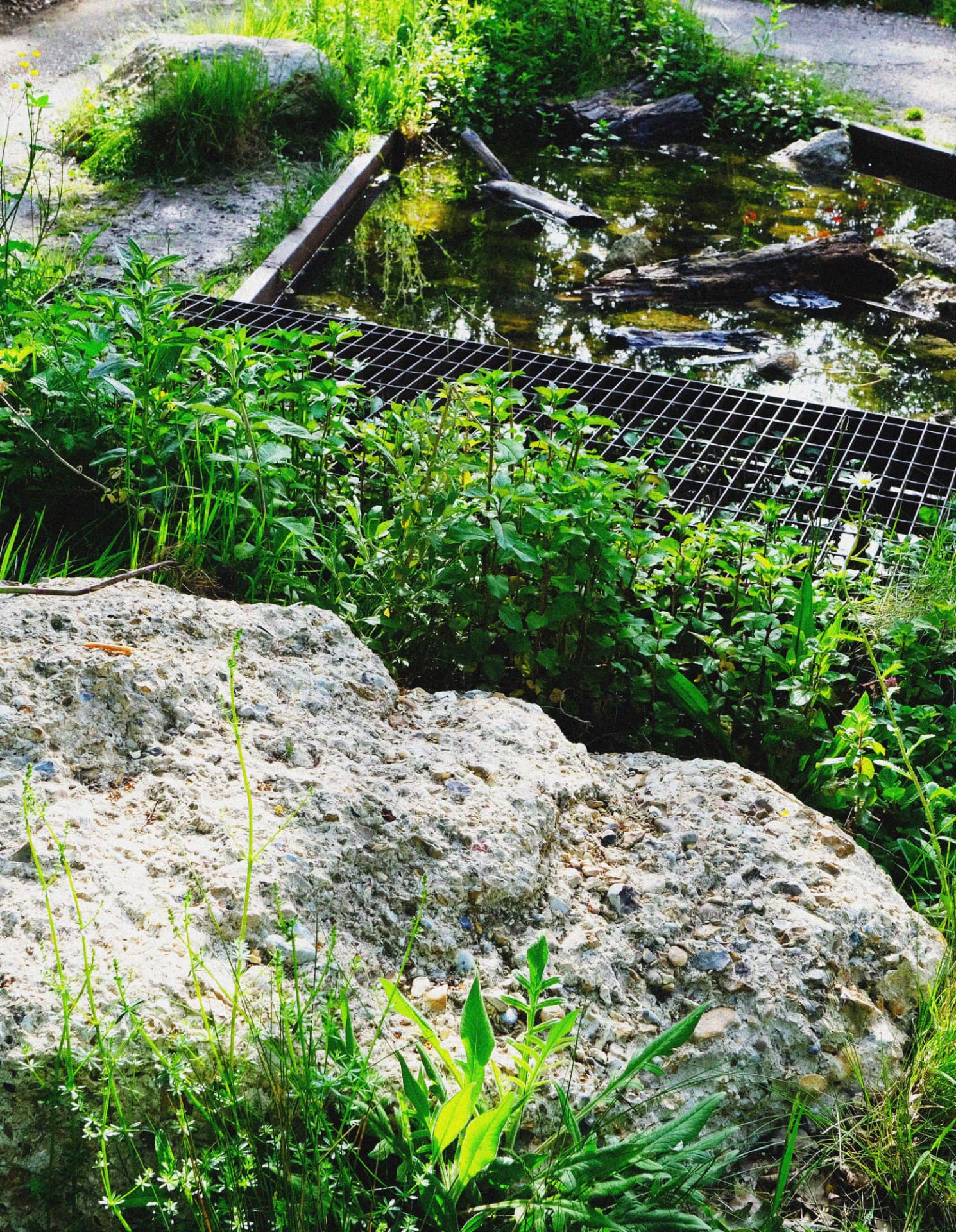
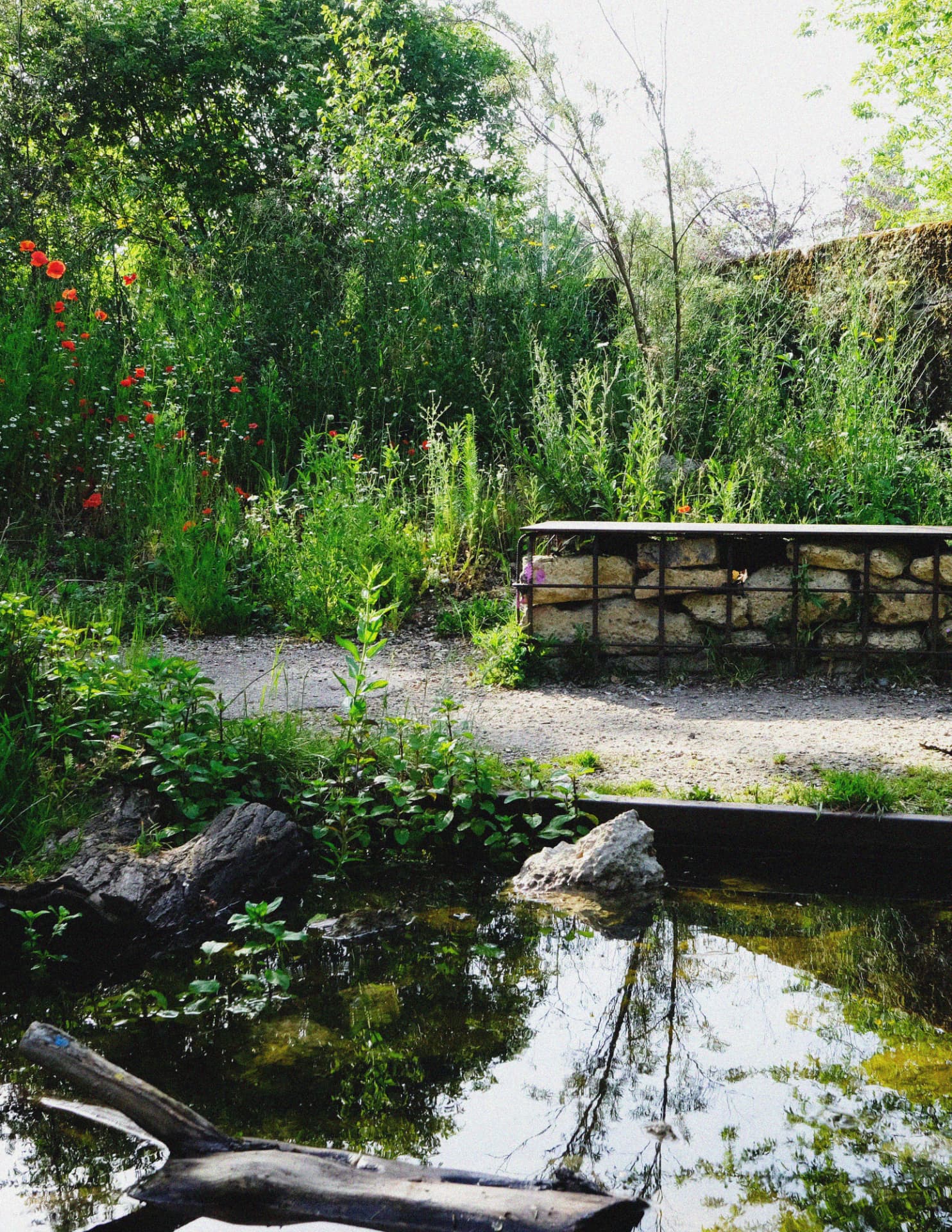
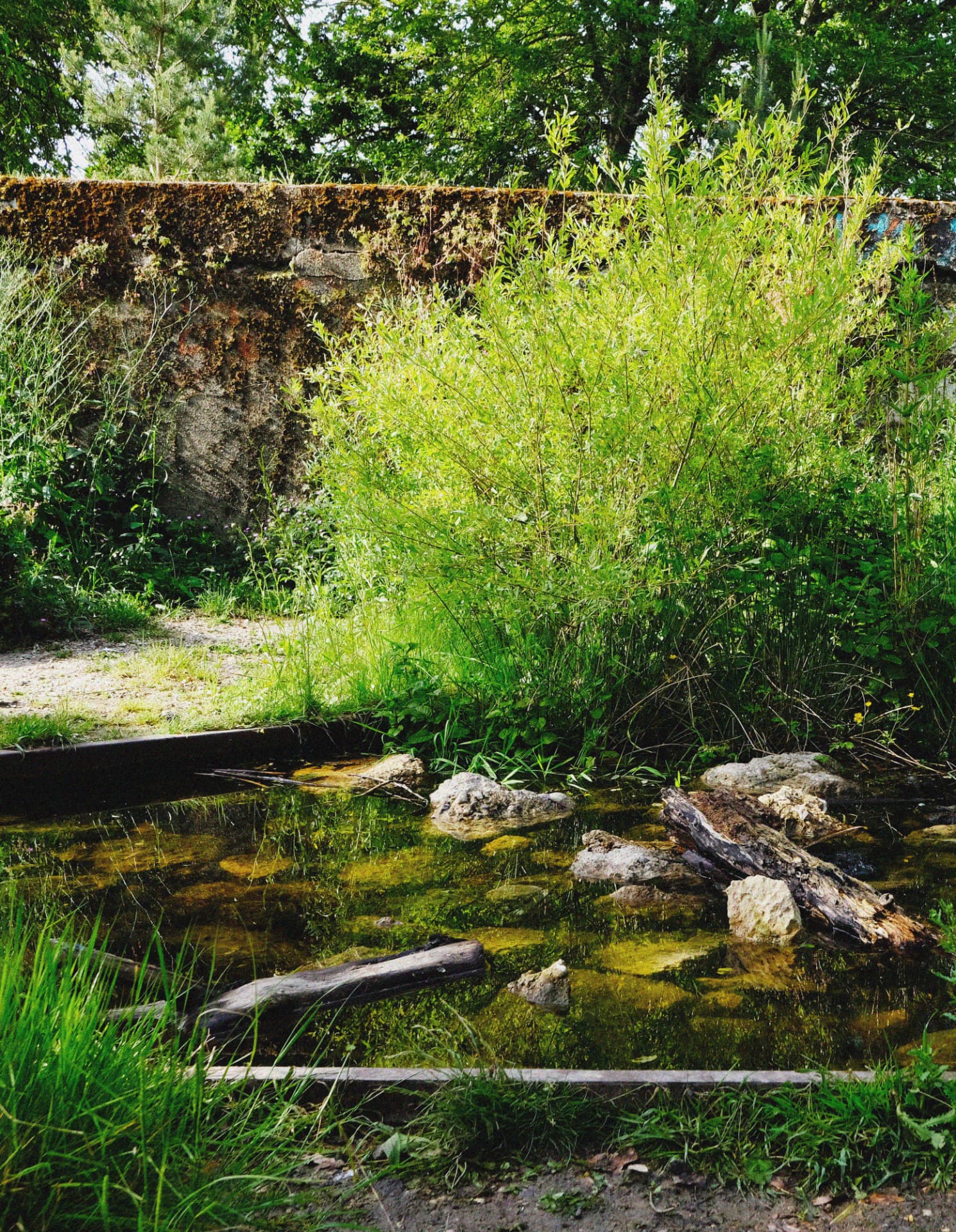
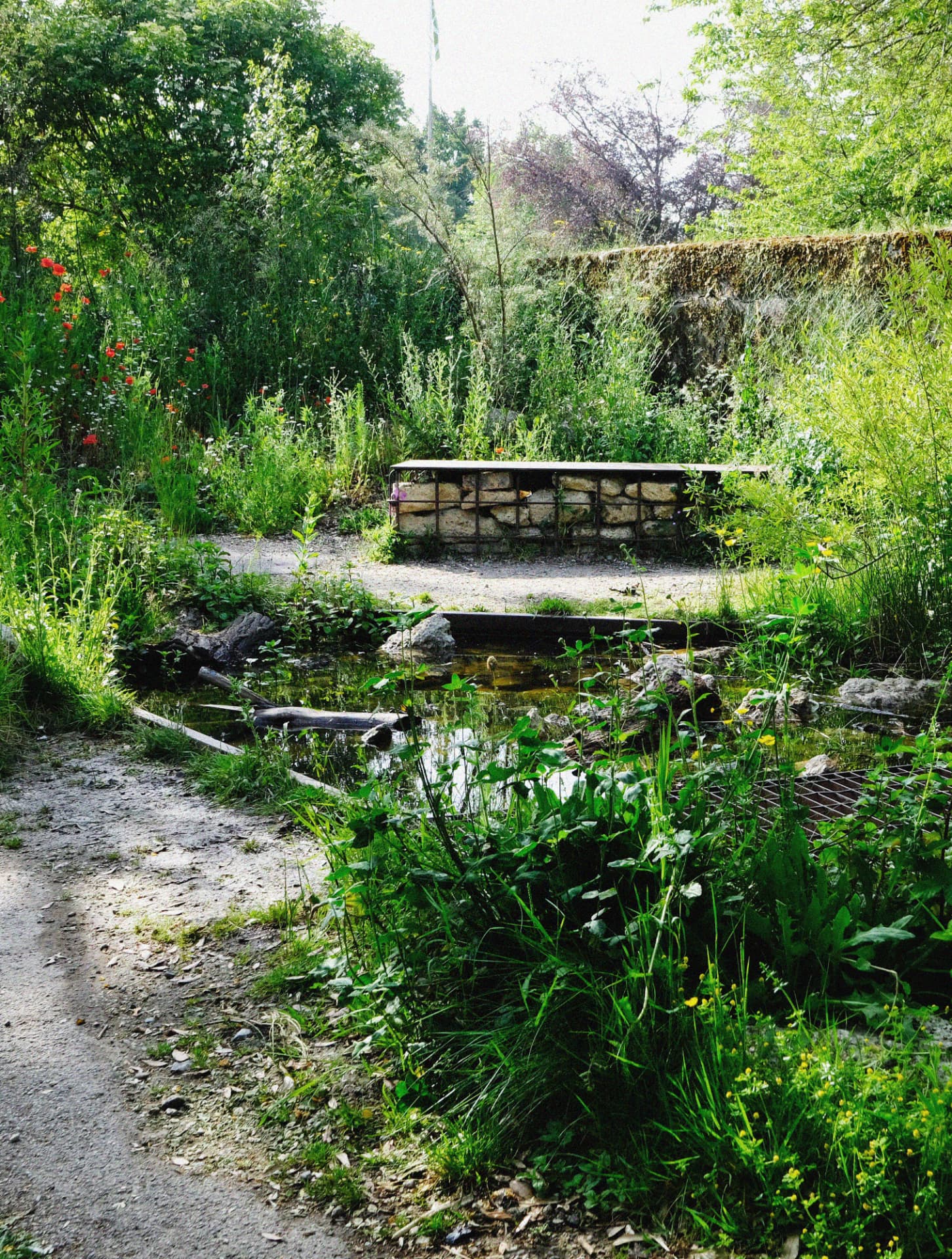
The pond originally SAT in the centre our garden at Chelsea Flower Show but we turned it into a new feature for the community garden. It’s strong lines and durable steel edges are here to last; an anchor around the wild planting layers left to establish in their own way while the local kids get busy with making this place their own.
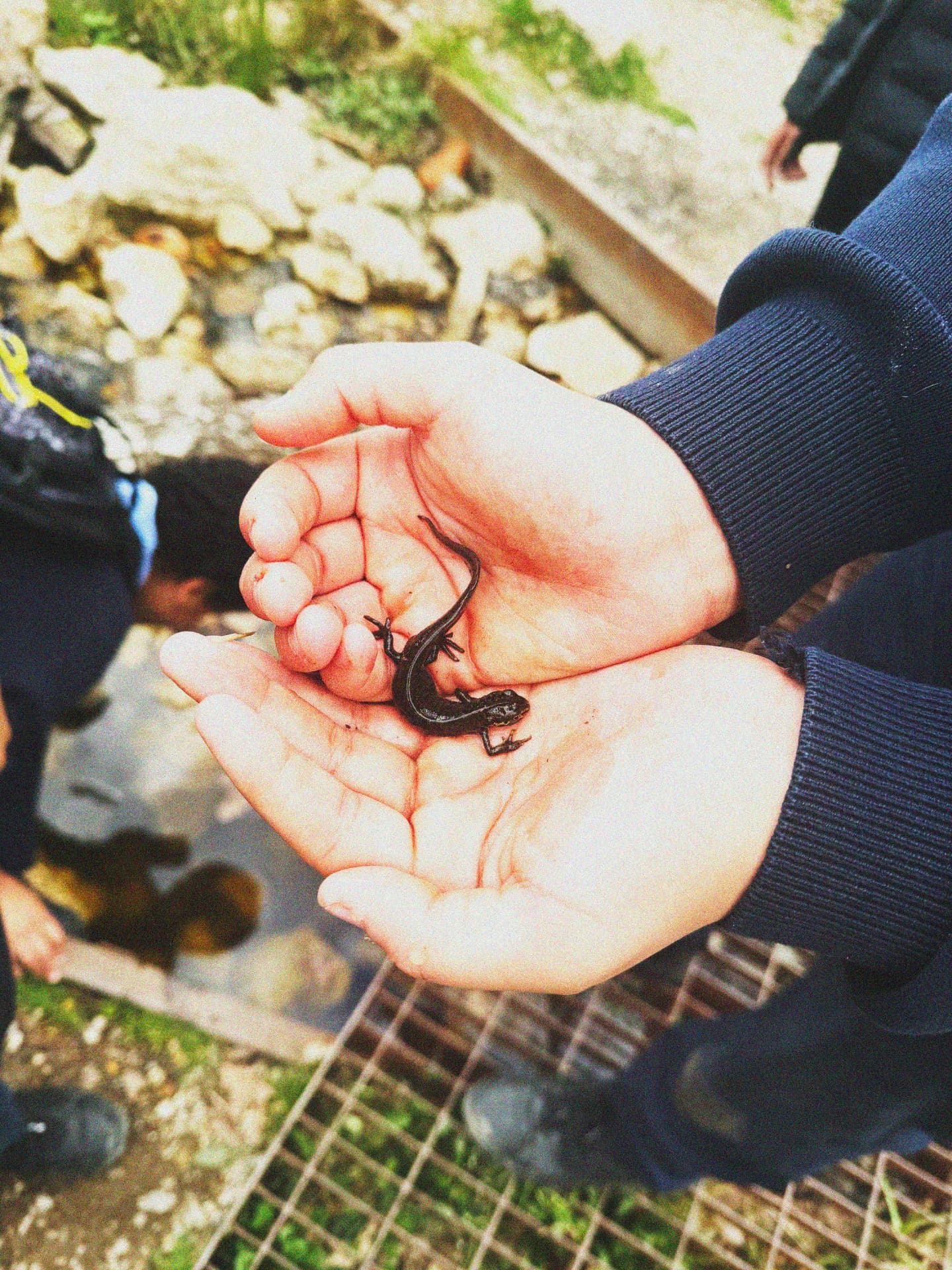
As soon as the water first went into the pond within a couple of weeks there were newts rising in the late spring sun. The local kids became obsessed with them; it was amazing to see but soon they brought containers to take them home. We’ve encouraged them to look after the space and leave these precious animals in their natural habitat.
Pond life is something to observe. Now dragonflies, damson flies, pond skaters, water beetles and all kinds of nymphs and larvae thrive. Local birds come to bathe here too, and sometimes it can feel like you’re in the countryside by a babbling brook far away from busy streets of Tottenham.
There are two sides in the habitat zone. On one side, we have broken up the existing concrete and let nature do it’s thing, letting the local wildflowers, brambles and grasses grow between the cracks and crevices; an excellent space for a variety of invertebrates, pollinators and small mammals to live. It also helps drainage in the garden, acting as a mini swale.
On the main bank we get to play with any scrap we find lying around, creating unique types of habitats and seeing what decides to call it home. Upright logs for stag beetles, sand piles for ground nesting bees, drilled timber posts for solitary bees, stacks of old timber and logs for all kinds of critters beneath the undergrowth.
We are working with local school groups encouraging them to collect materials from the garden and the wider area to reuse in this habitat corridor and help collect data for their ongoing ecological surveys.
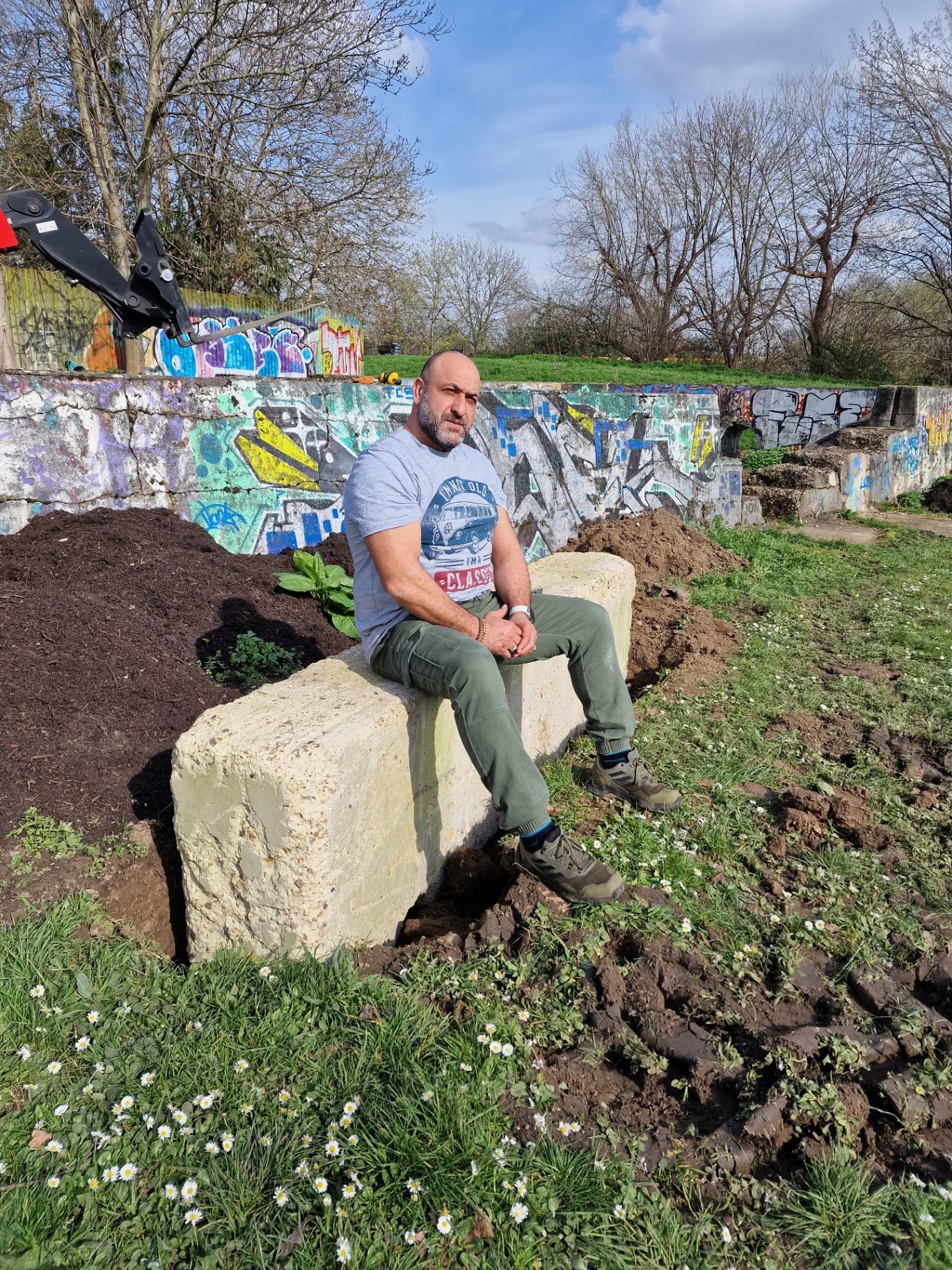
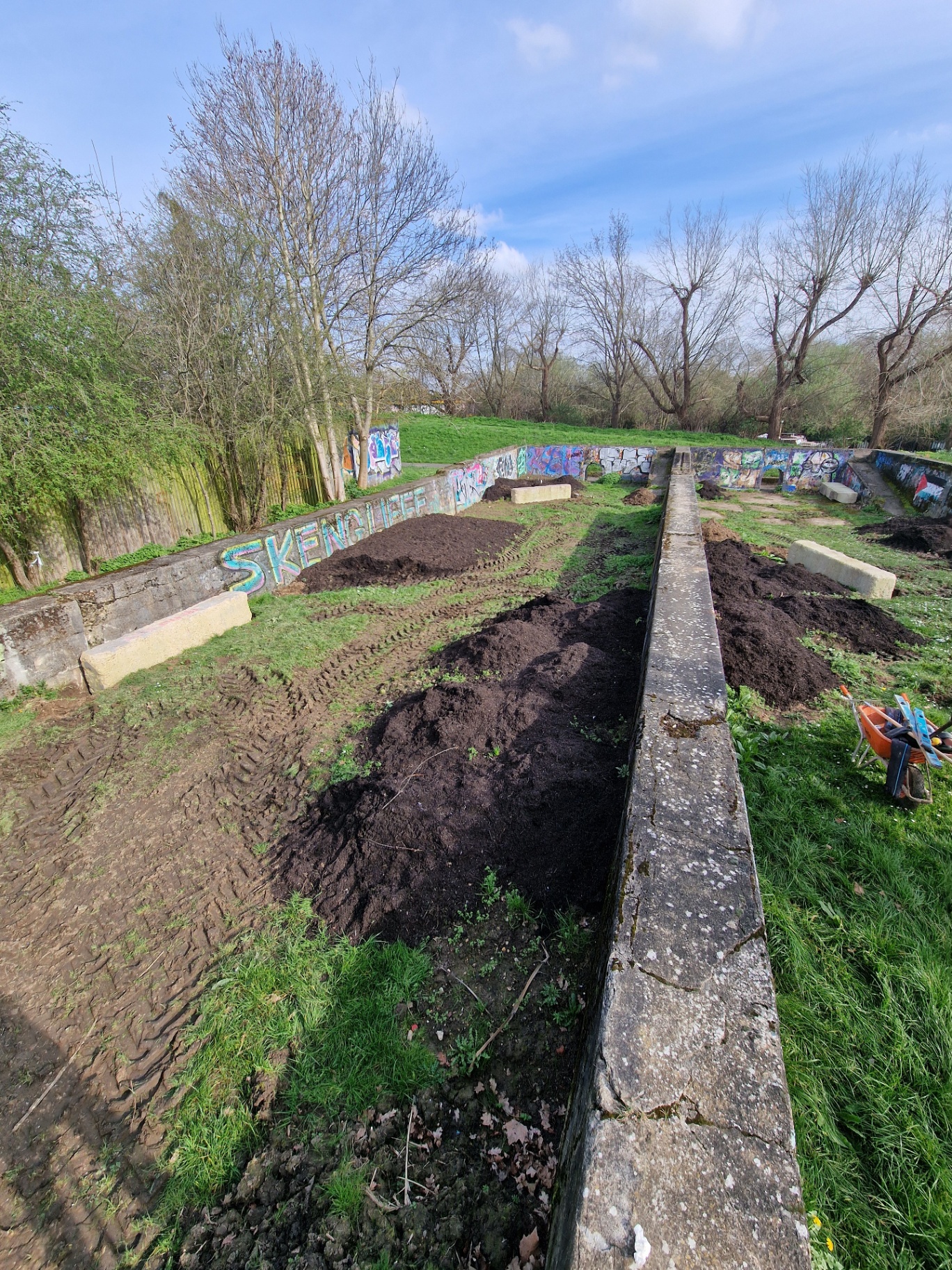
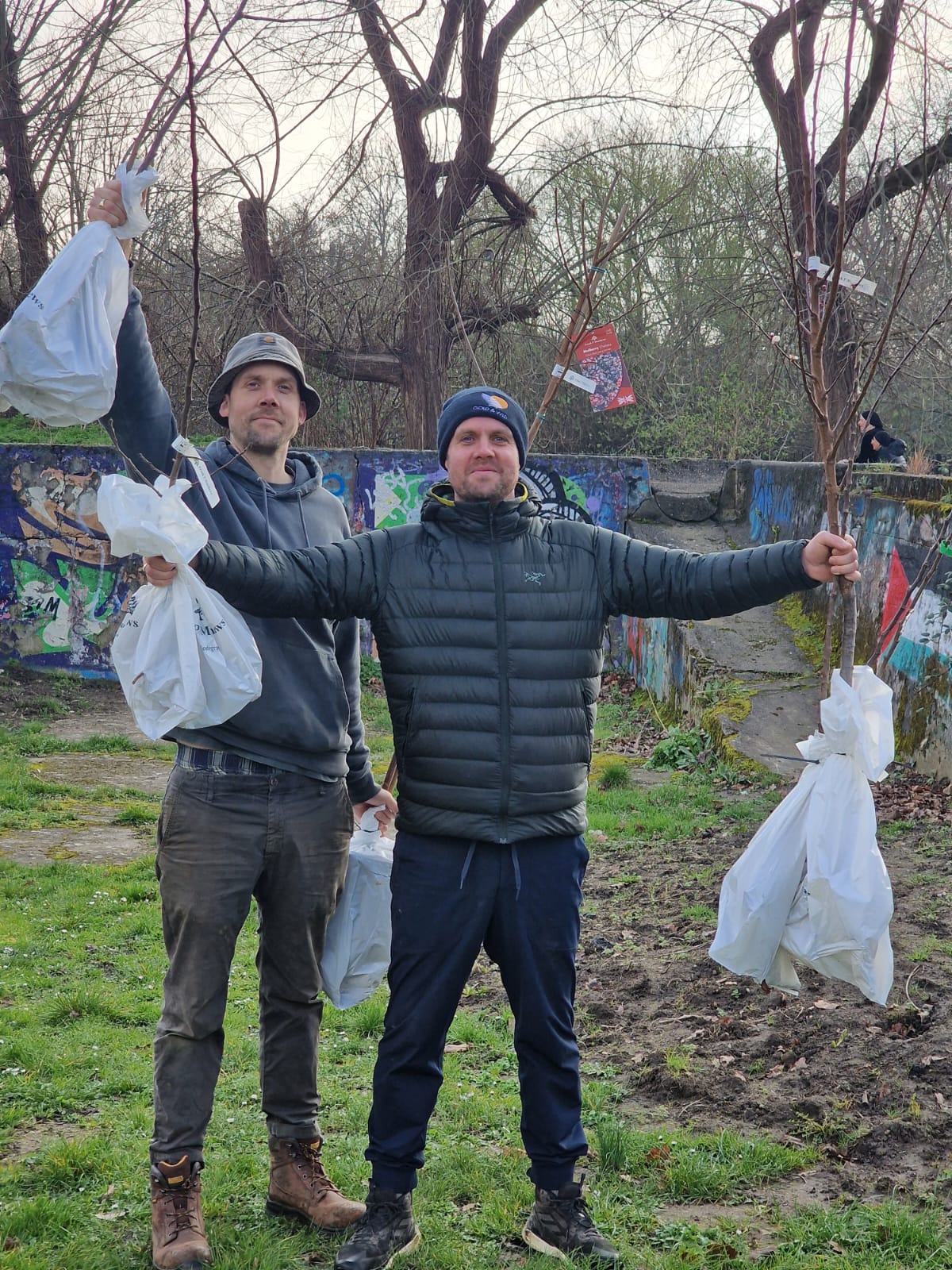
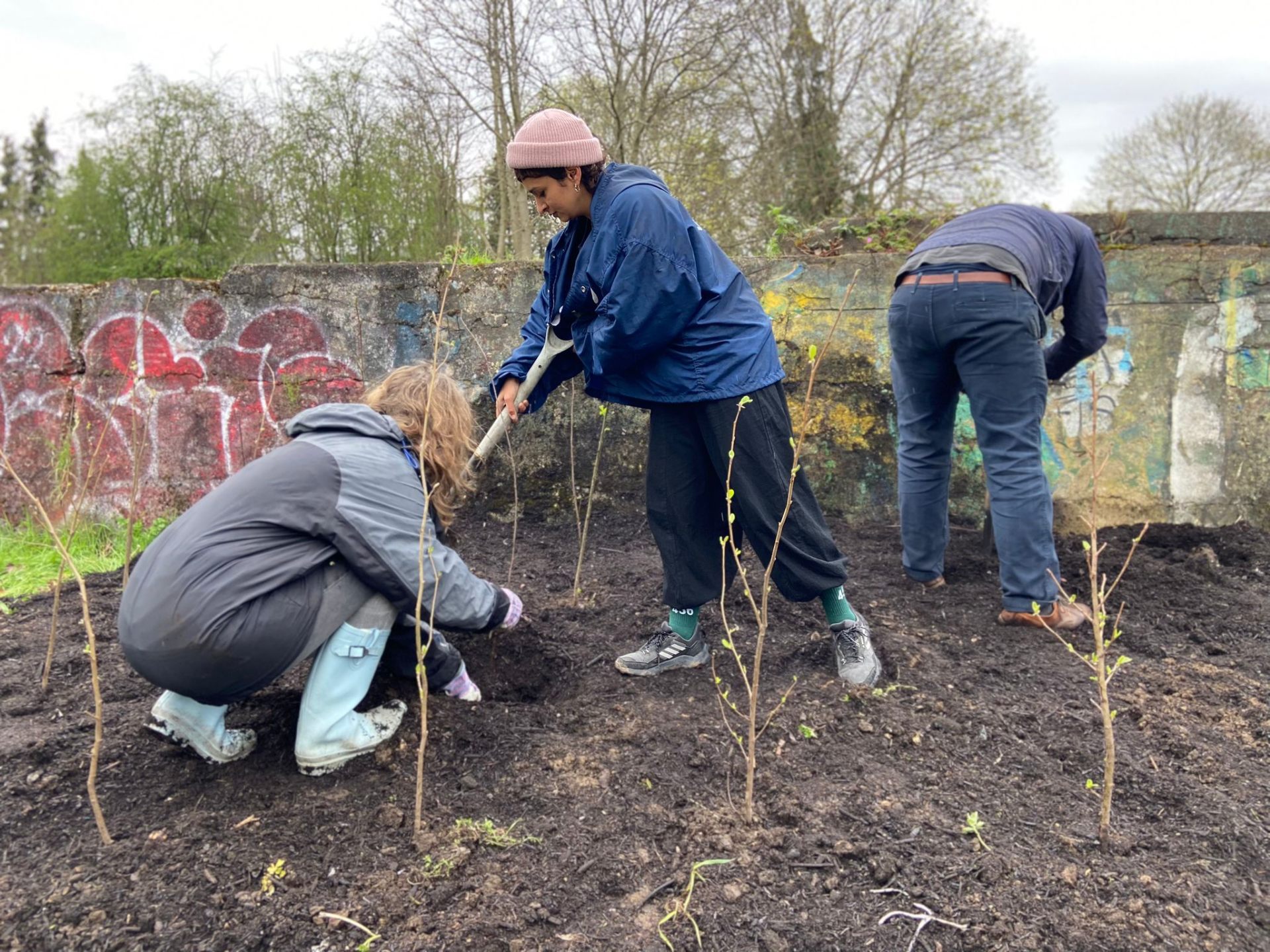
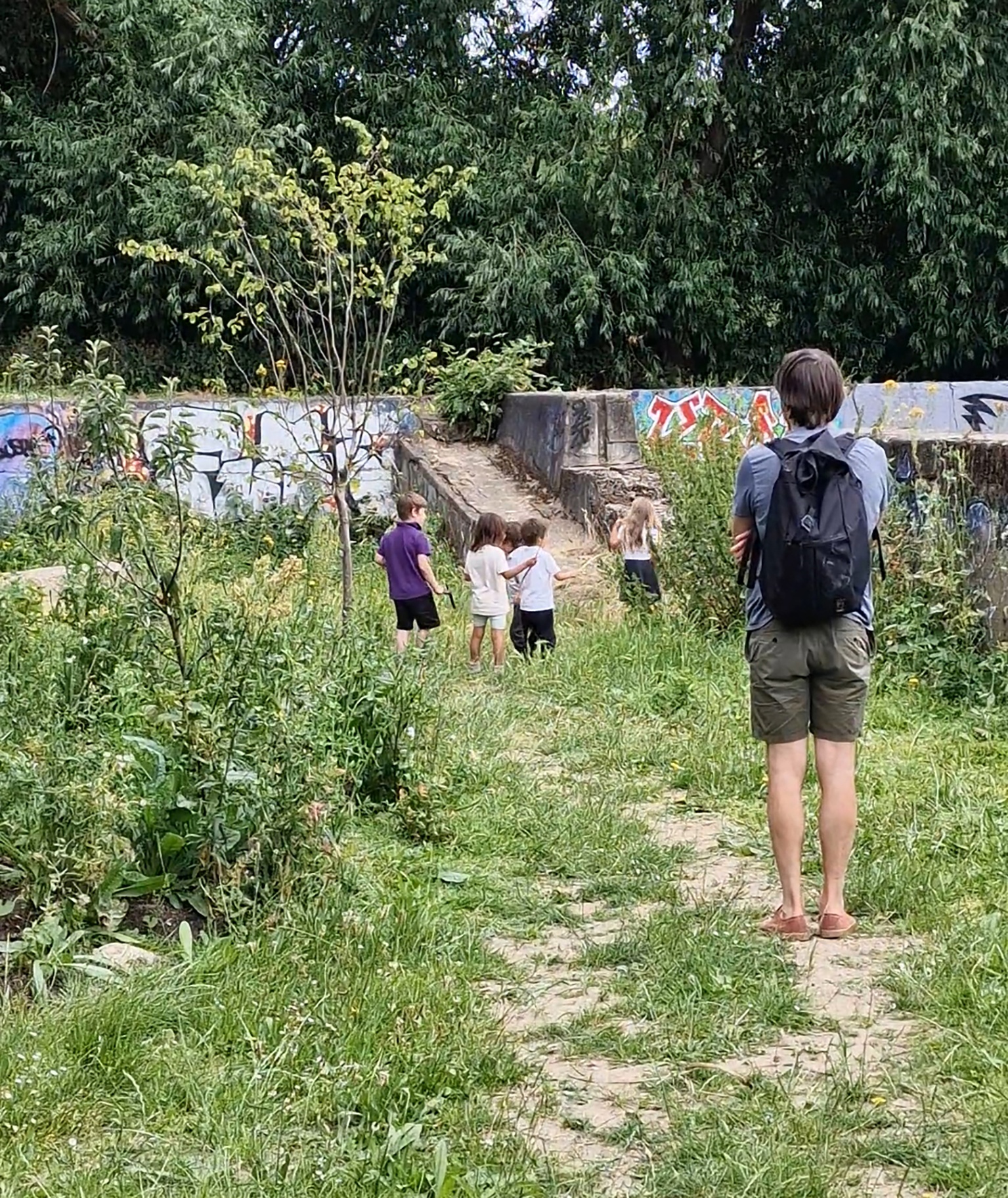
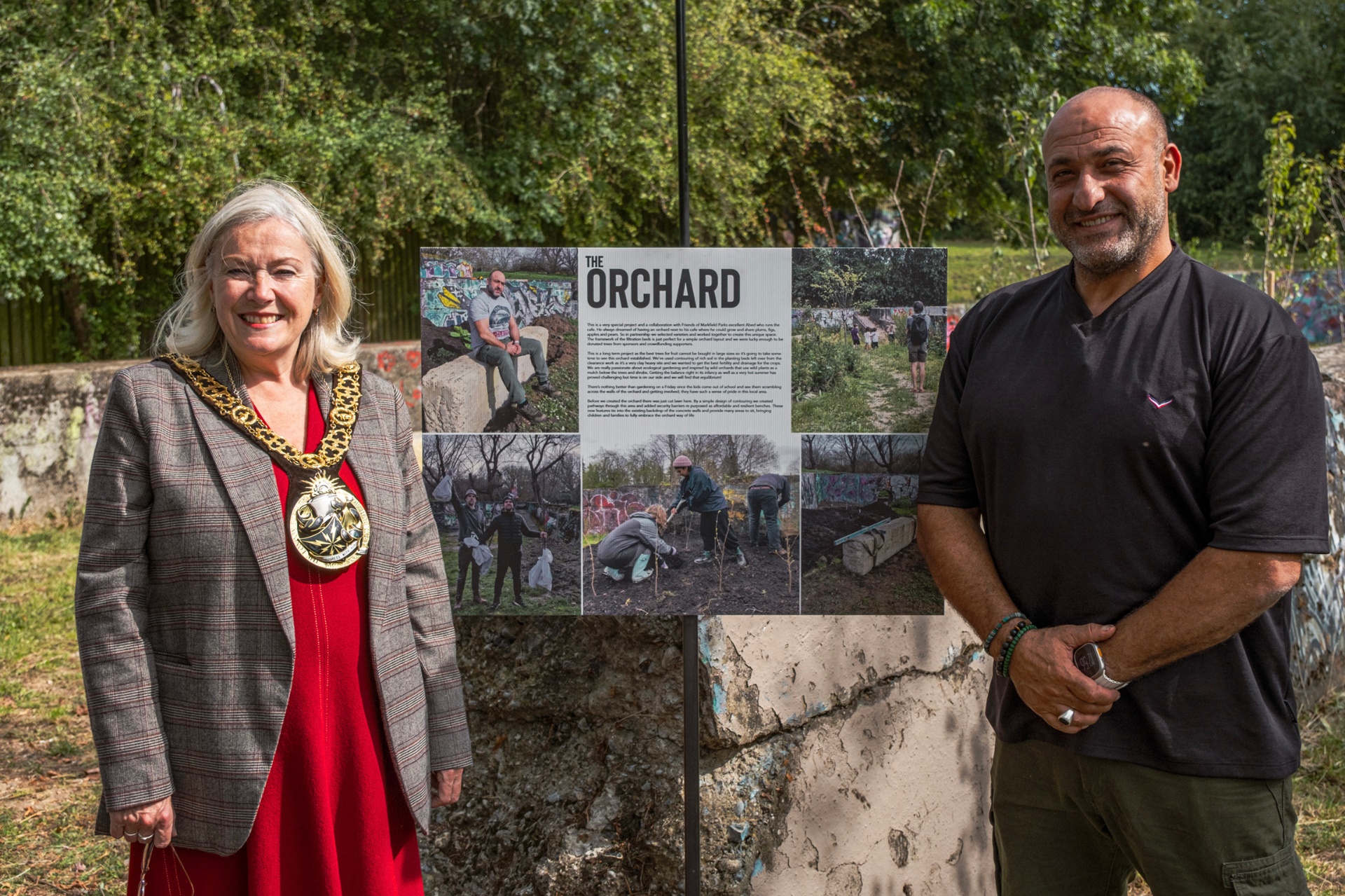
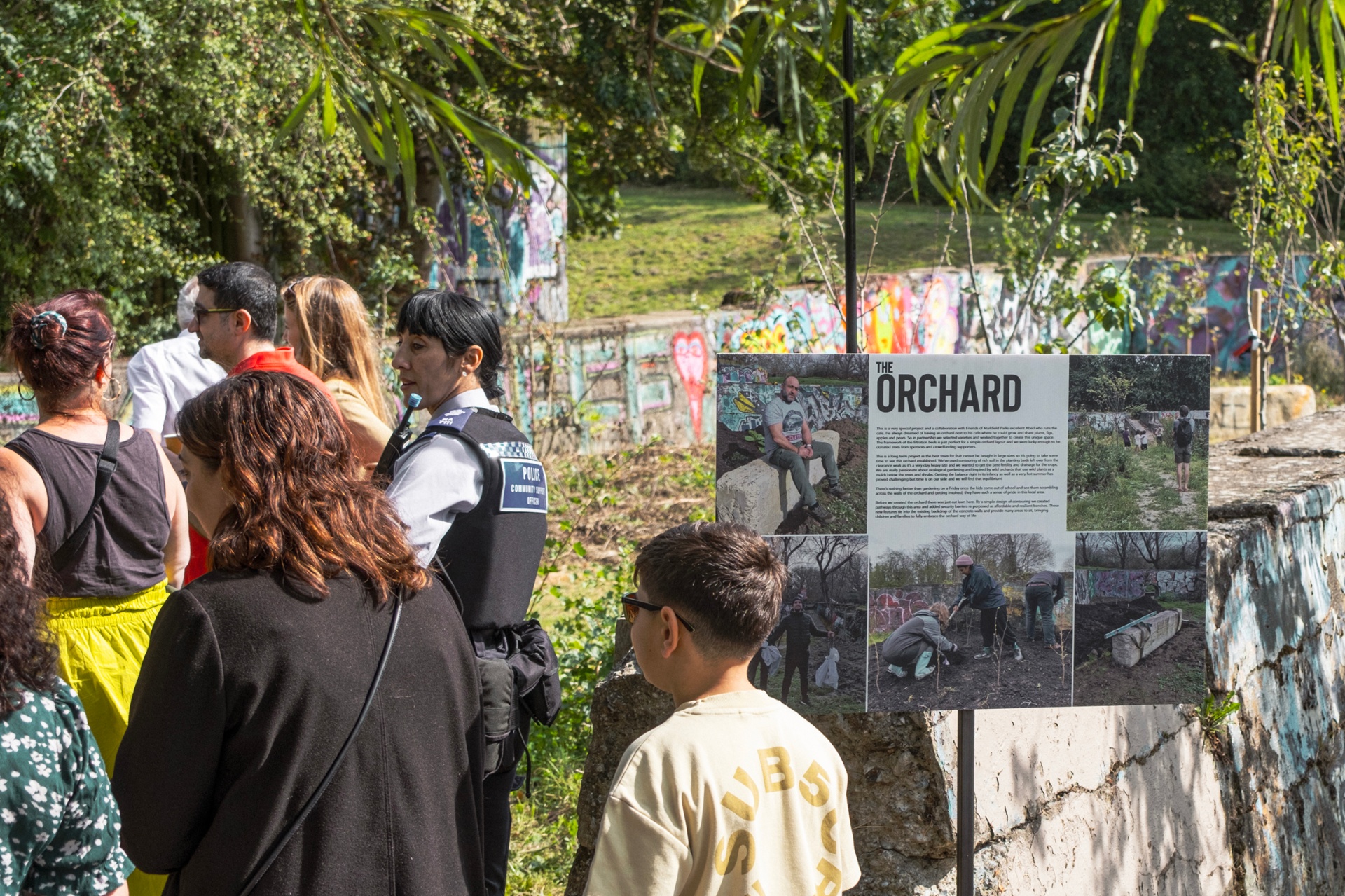
This is a very special project and a collaboration with Friends of Markfield Park’s excellent Abed who runs the cafe. He dreamed of having an orchard where he could grow and share fruit with the people who come to the park. The framework of the filtration beds is just perfect for the orchard where the young fruit trees are beginning to produce apples, pears, figs, apricots and many more. We want to see this garden become an abundant space for all to enjoy, providing fruit that different communities can recognise and use.
This is a long term project as the best trees for fruit are grown from young stock so it’s going to take some time to see this orchard established. We are passionate about ecological gardening and inspired by wild orchards that use wild plants as a mulch below the trees and shrubs to help support them. It will take time while the orchard is in its infancy to find its equilibrium, so it is a work in progress!
Volunteers are VERY welcome! get in touch with us hello@wildcitystudio
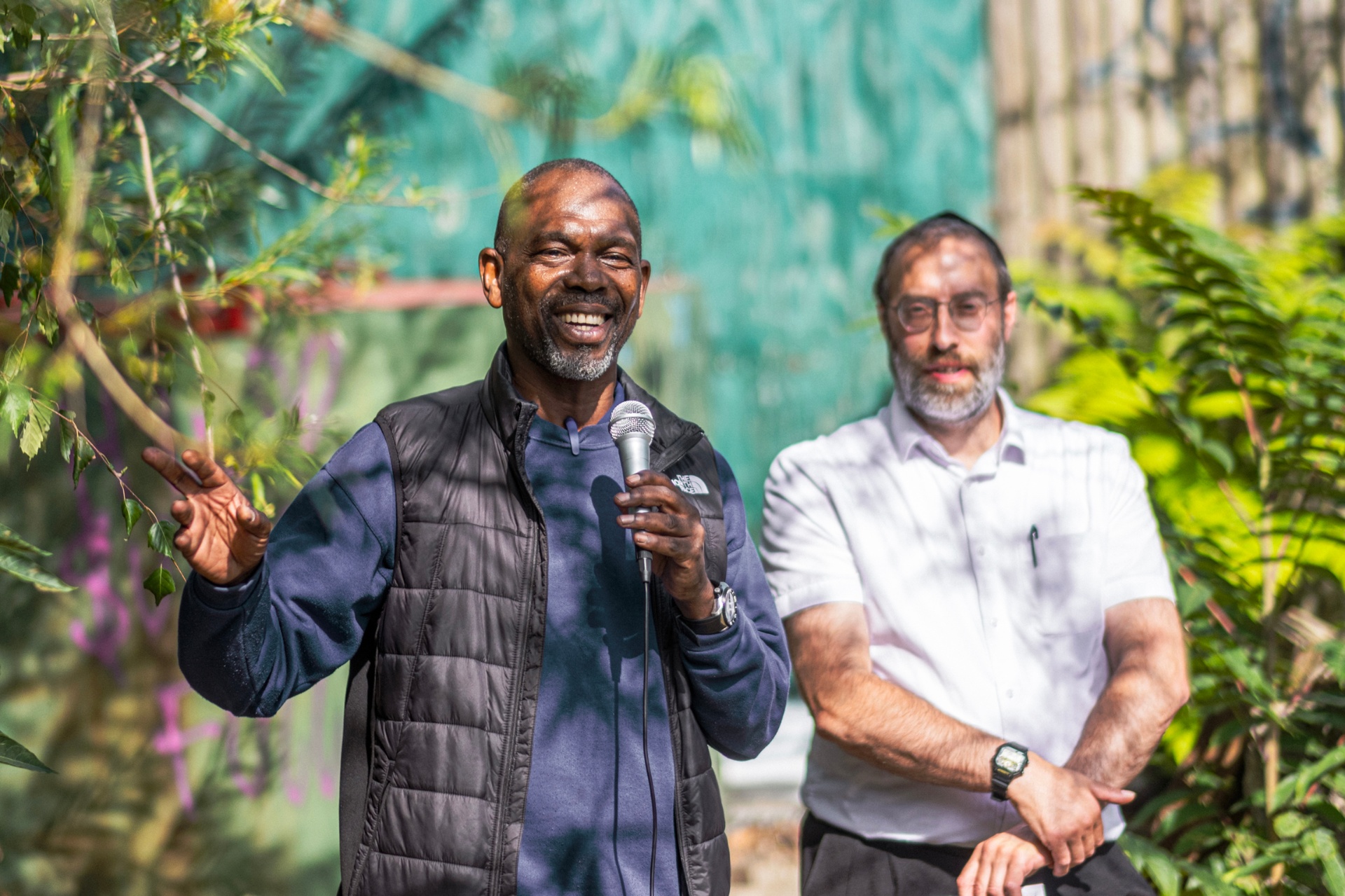
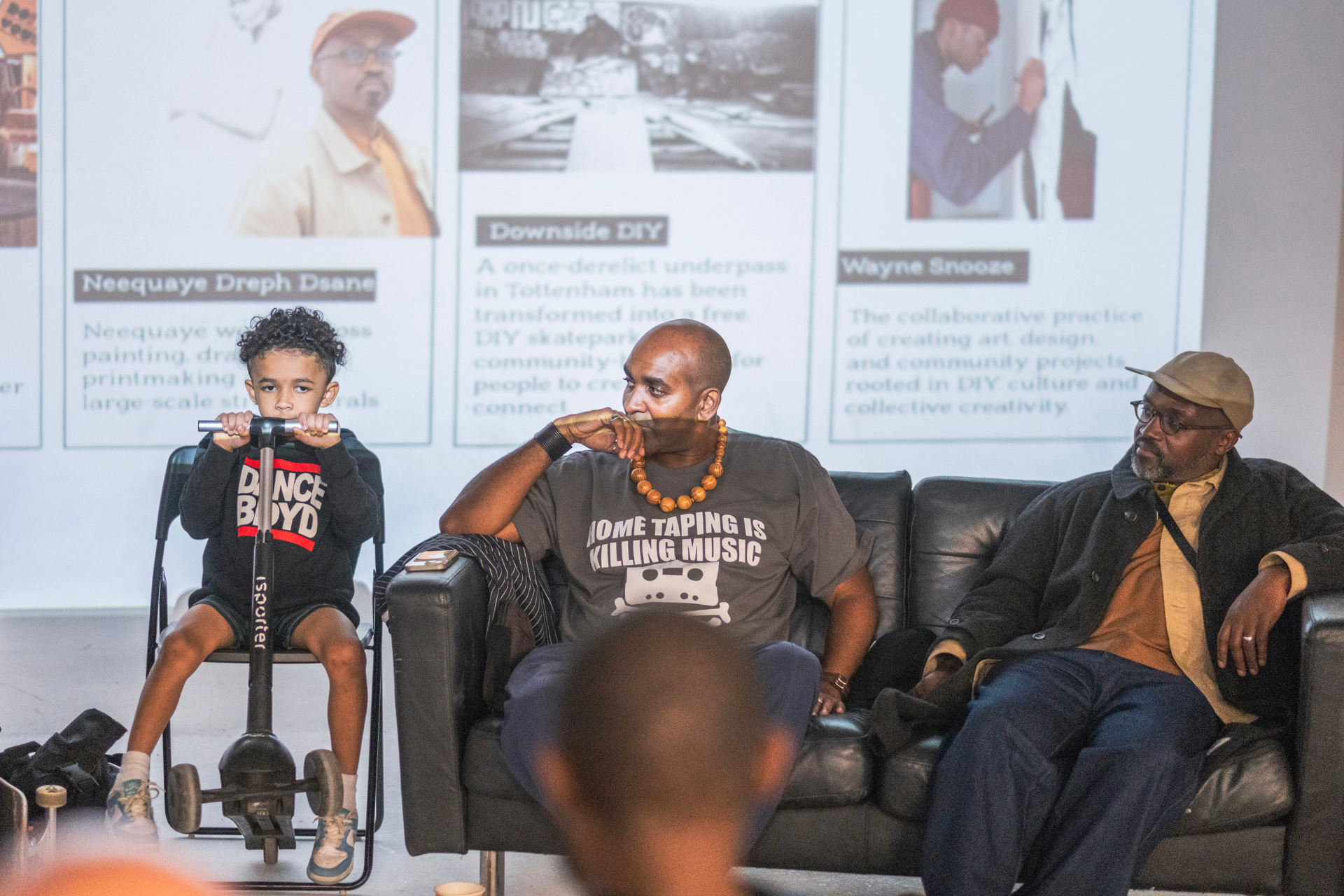
MCG acts as a cultural hub. we host school groups, workshops, festivals, experiments and corporate groups. Here are some of the stories from the garden since it's conception.
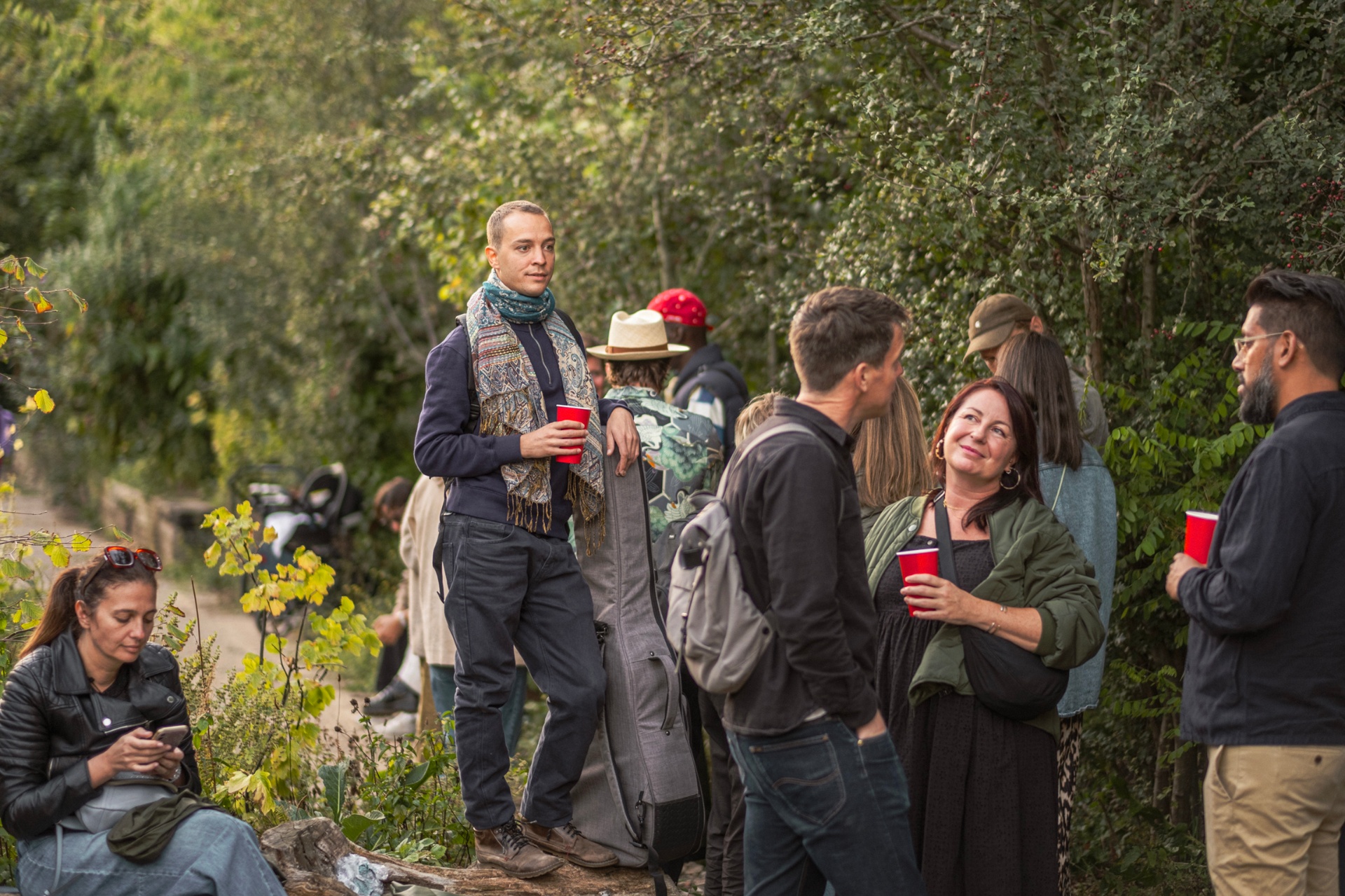
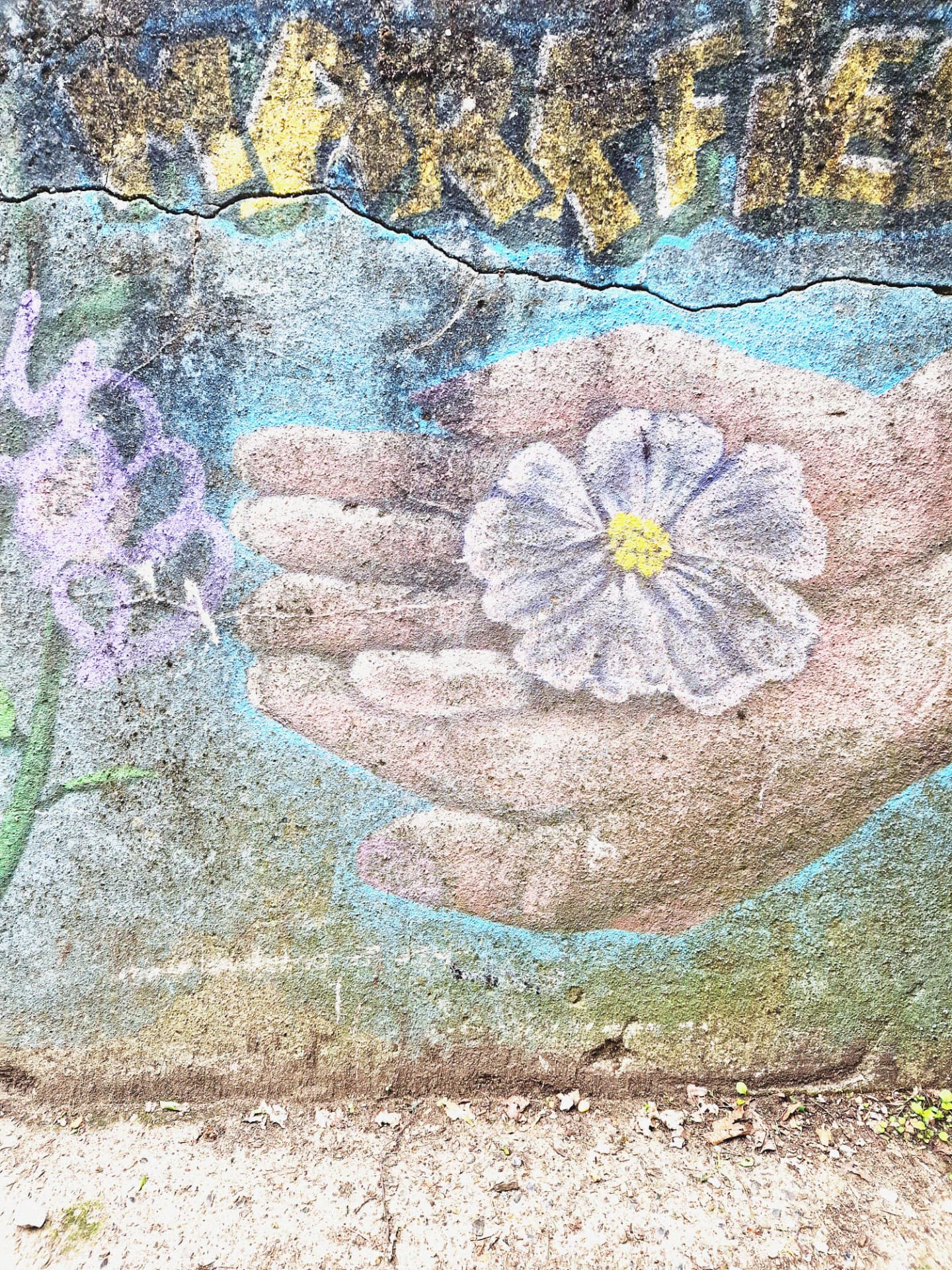
Markfield Community Garden is about inspiration. For the people who use it, that means learning, changing perceptions and creating a place where different people and cultures can come together under one banner. But it also stands as an example of what the forgotten corners of our cities can become when we stop seeing them as problems and start seeing their potential.
We see Markfield as one small part of something much bigger — the kind of space that can ripple through our cities, connecting with other people already doing their own versions and inspiring more to follow. It’s not about waiting for governments or councils, who are often restricted in what they can do. It’s about recognising what we can do ourselves. A small rebellion against the doomscroll era through one of the humblest actions there is: getting our hands back in the earth.
The garden is driven by passion, people and a positive perspective, and it needs continued support to thrive. We’re always looking for volunteers, grants, sponsorship and collaborators who believe in what we’re doing. If you’d like to help us keep Markfield growing — and support some of the bigger ideas we have for the garden and beyond — get in touch.
▸ Get in touch