The Balance Garden: RHS Chelsea Flower Show 2023
What happens when garden design is used as a tool for urban healing? A show garden built with Centre for Mental Health and Wild City Studio — designed from the start to leave something lasting behind.
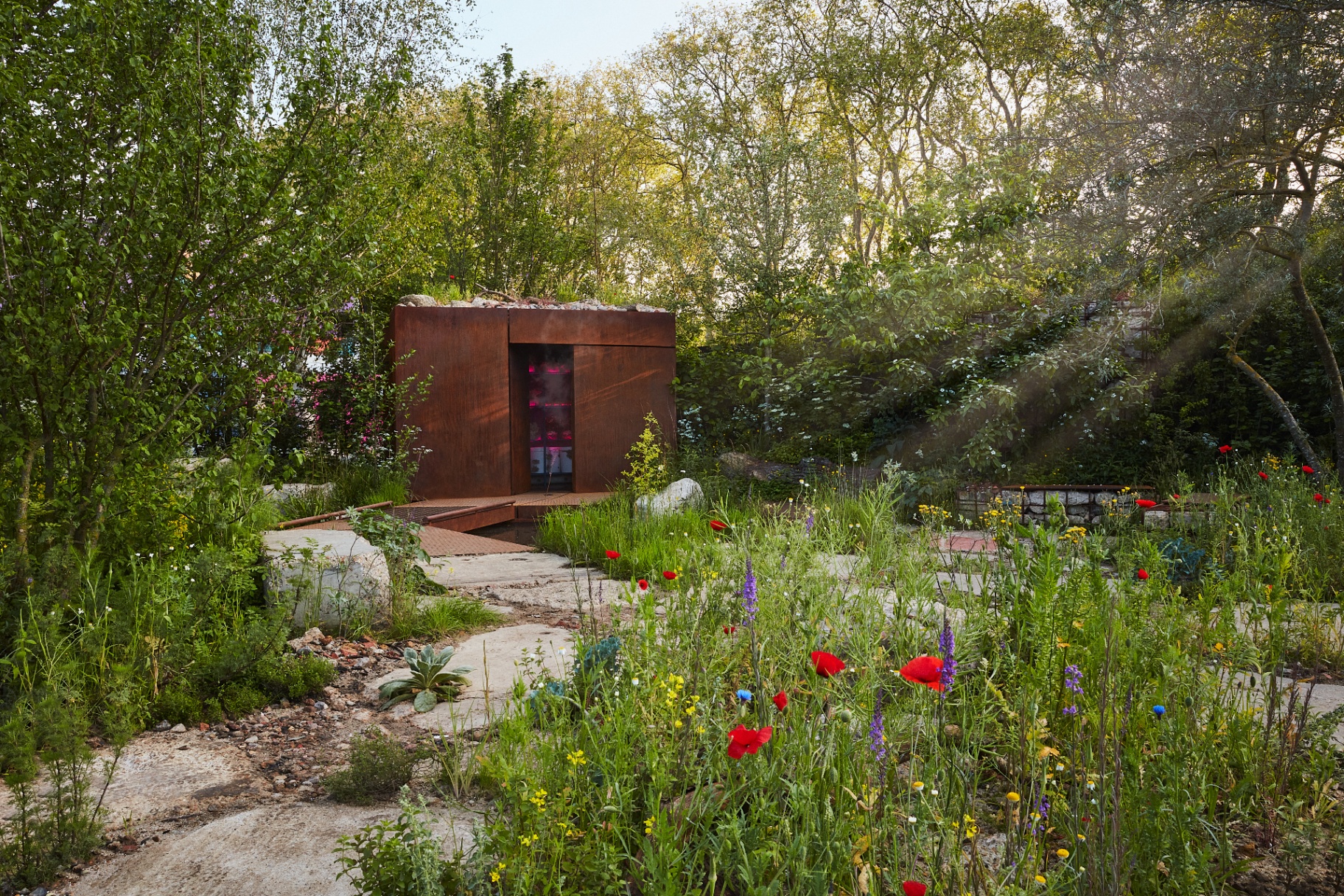
What happens when garden design is used as a tool for urban healing? This show garden, created in collaboration with Centre for Mental Health and Wild City Studio, set out to answer that question — and leave something lasting behind.
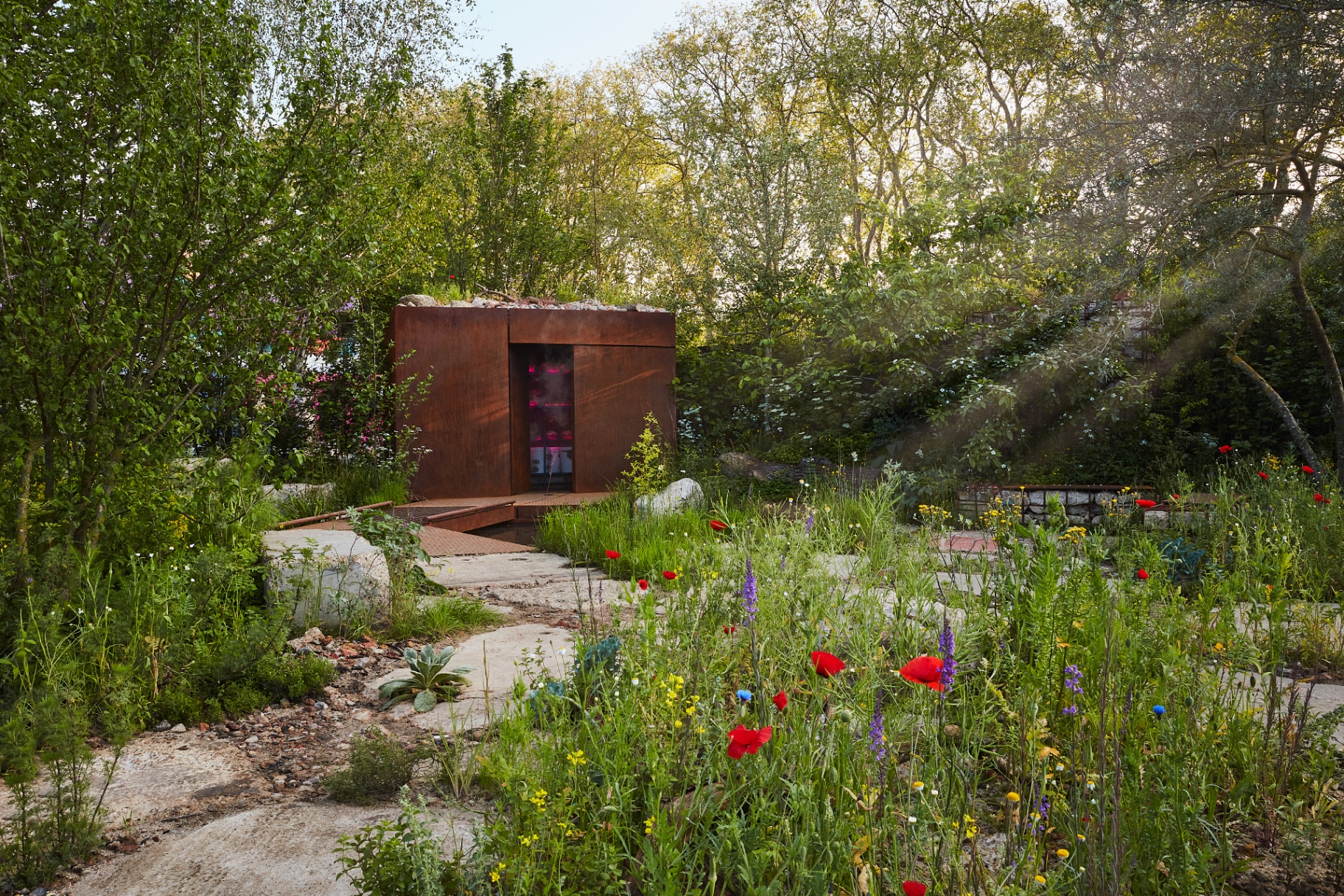
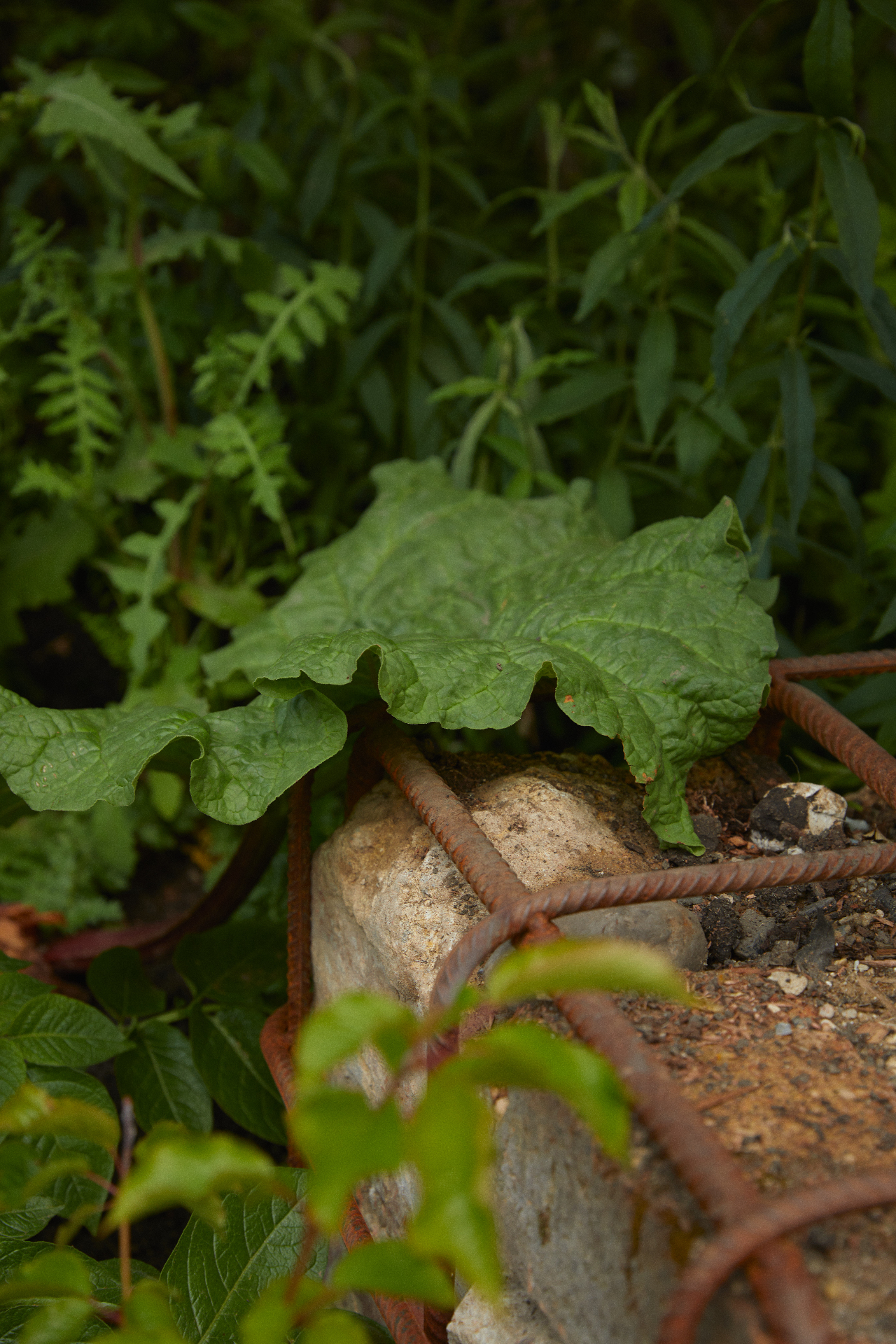
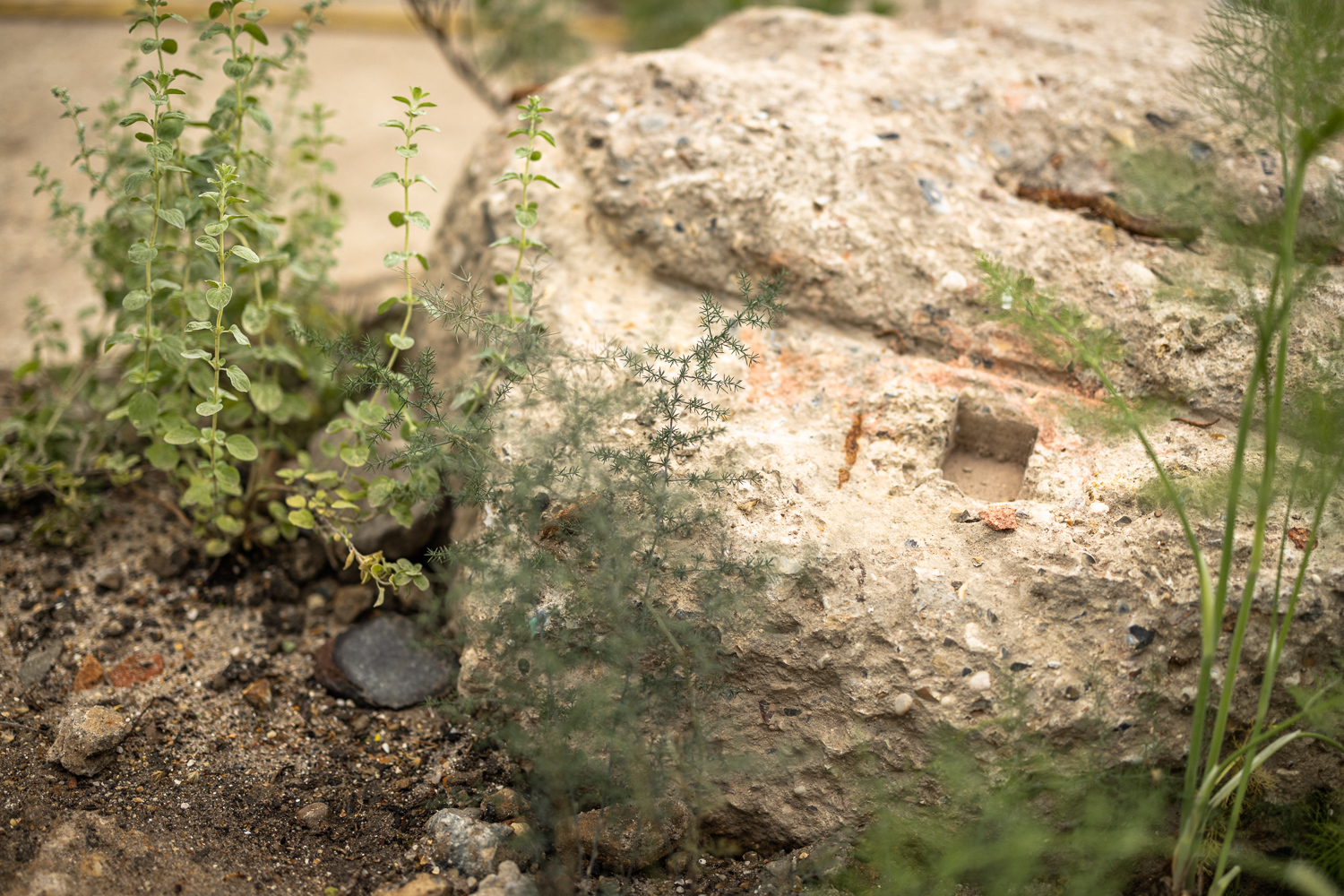
Built around the theme of Balance, the garden brought together repurposed urban materials and innovative low-cost planting to create a space where wildness and structure coexist. Overlooked corners of city parks became places where people and wildlife could thrive side by side — spaces for healing, play, and genuine community connection.
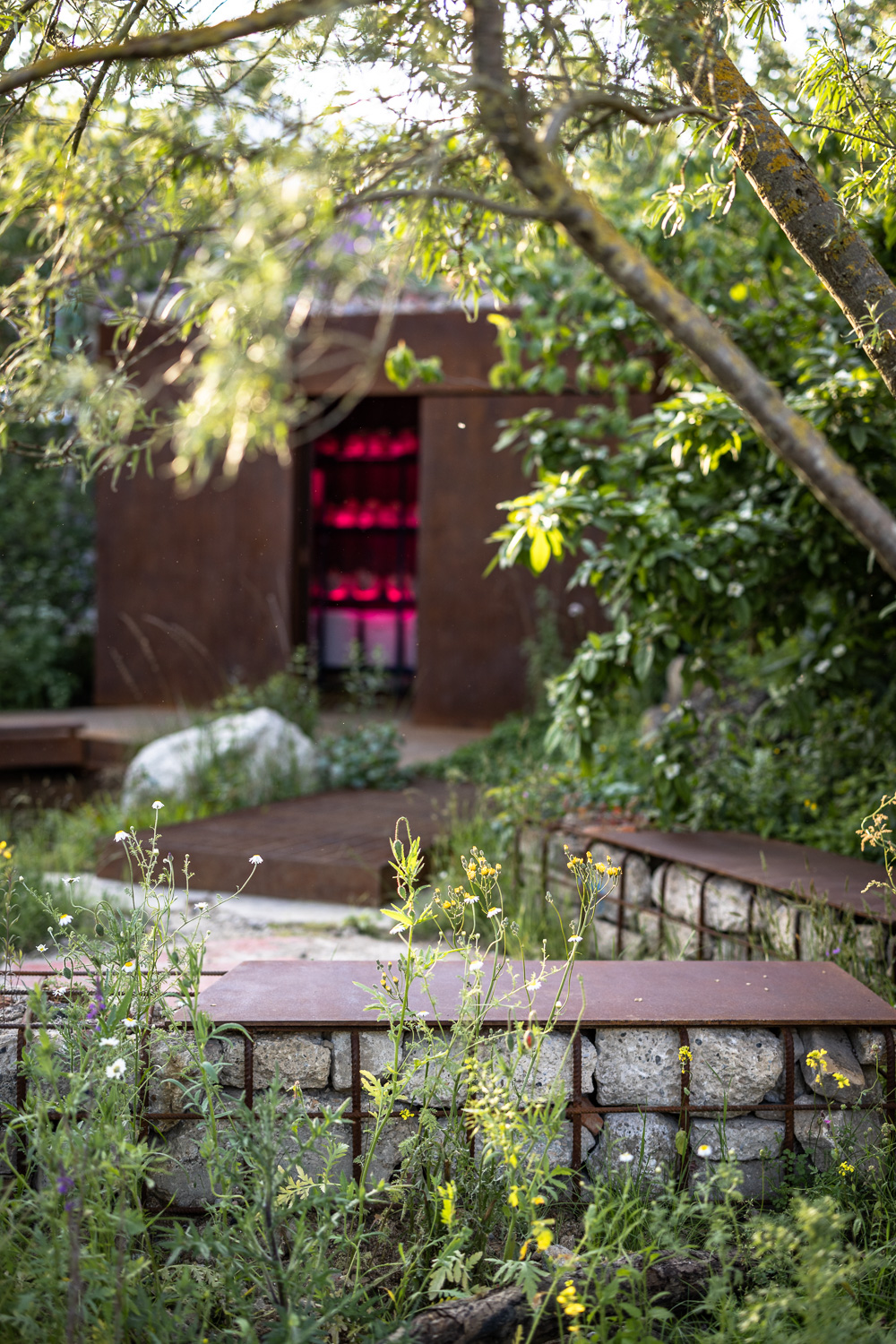
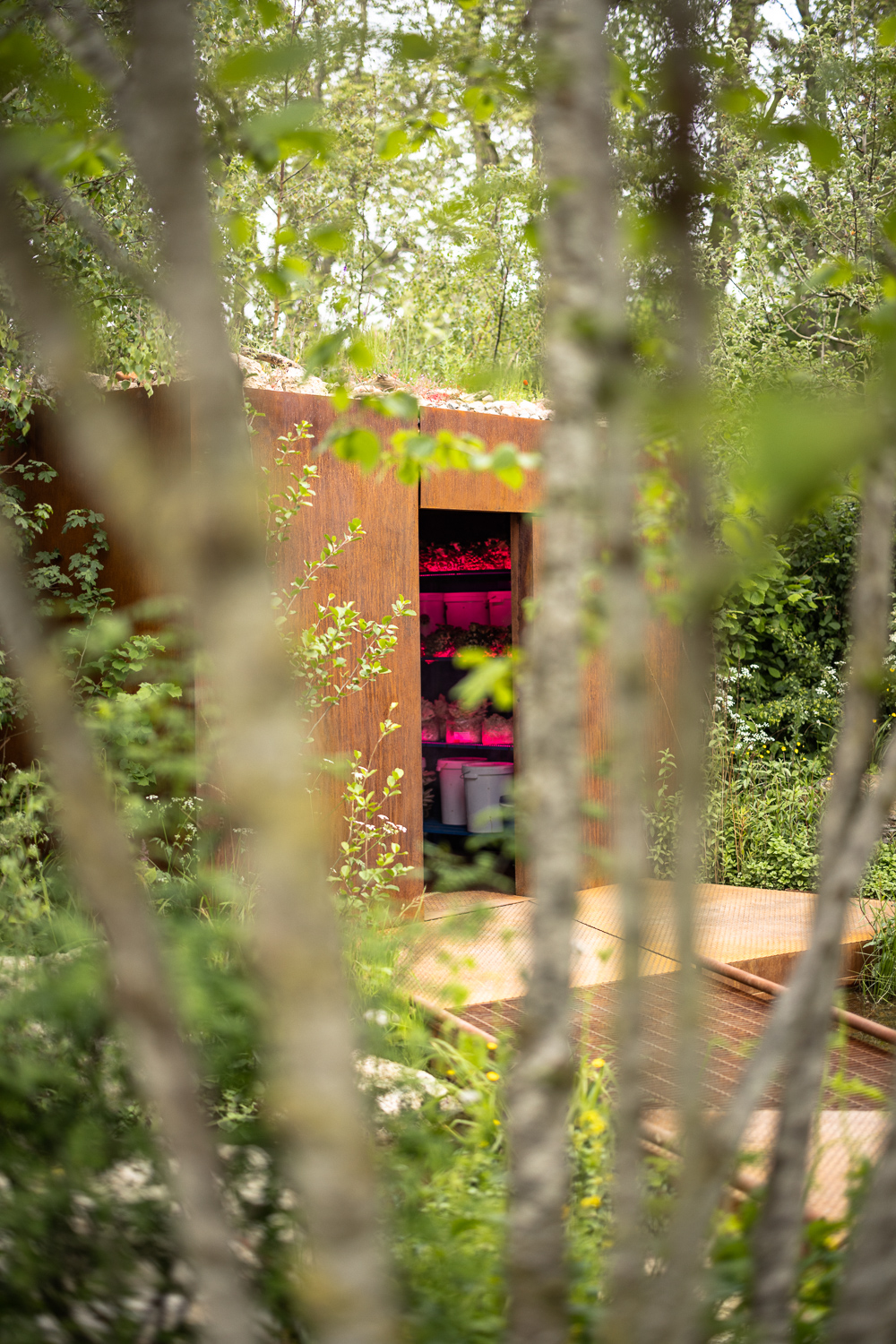
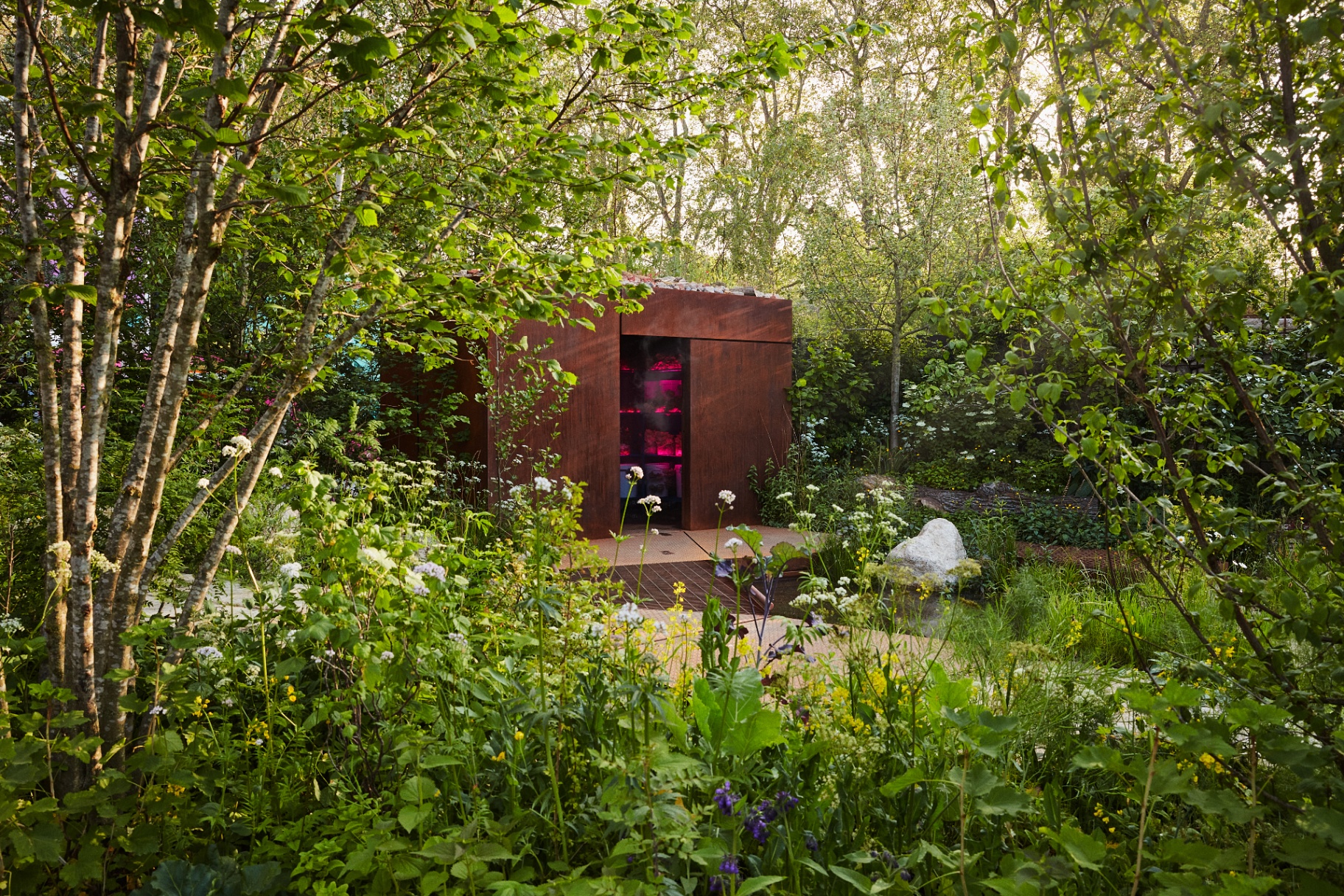
The garden was always designed with legacy in mind. After the show, it was rehomed at Markfield Park in Tottenham, where it continues to serve the local community as a living demonstration of how thoughtful garden design can support ecological and social wellbeing in practice.
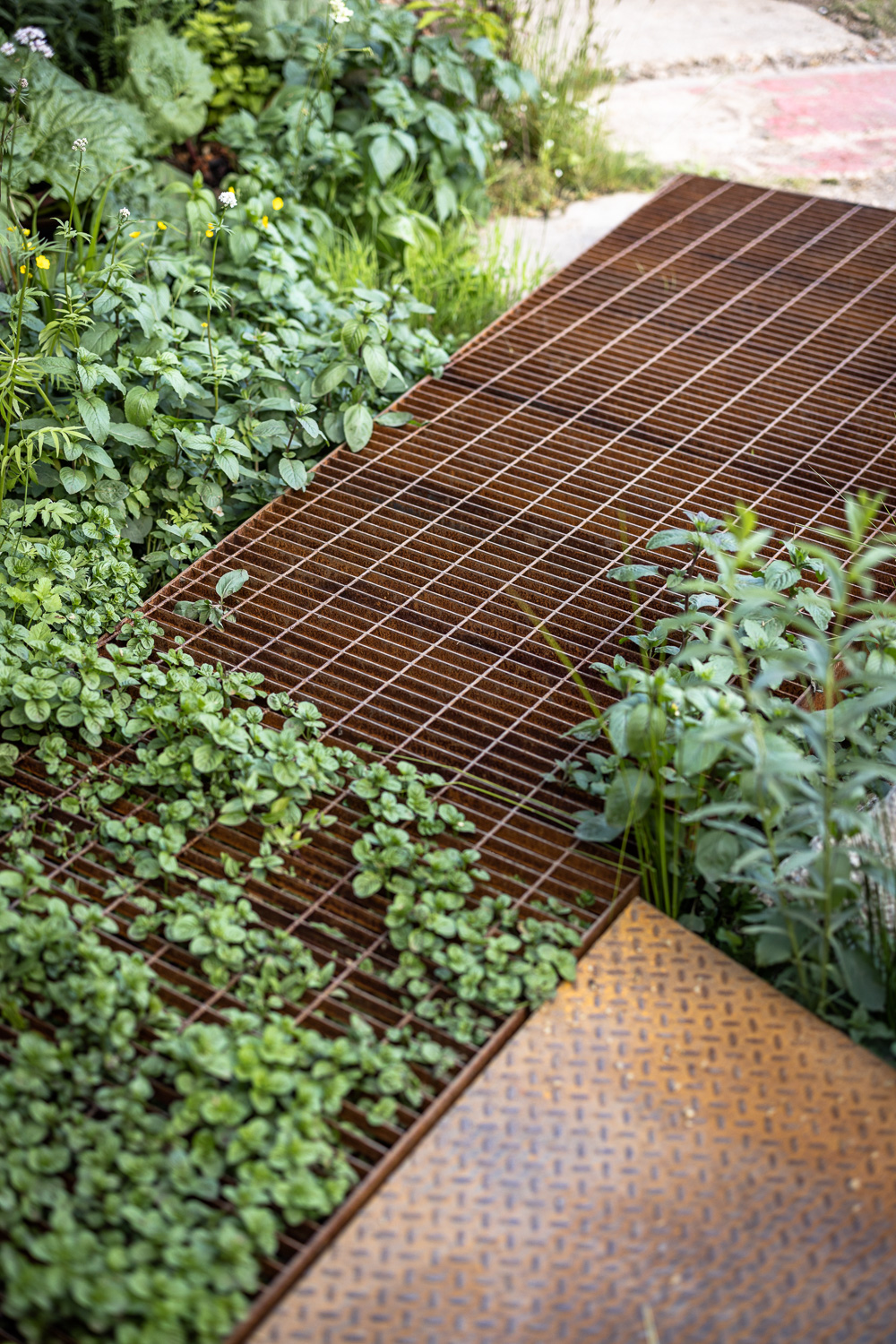
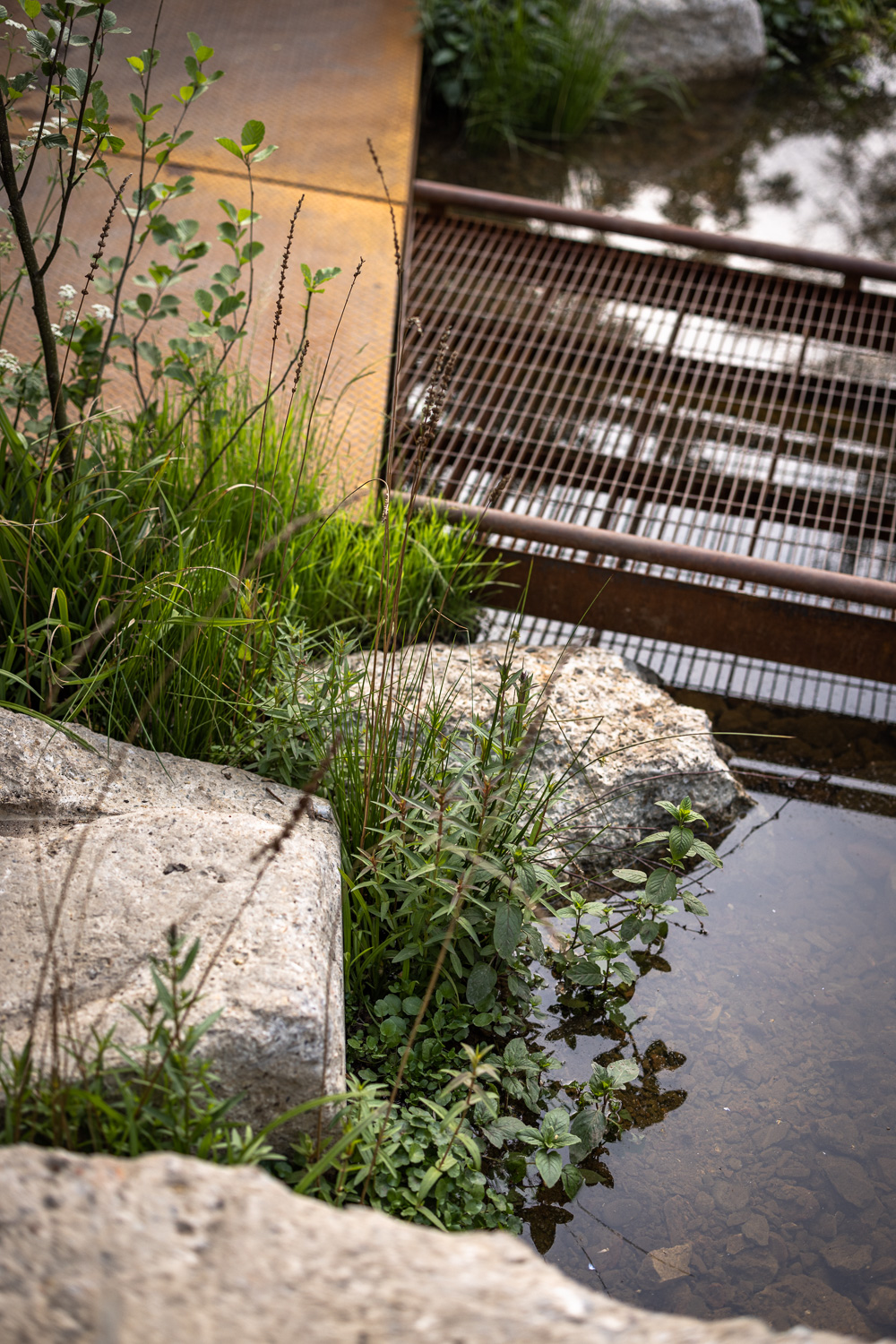
"Nature-led garden design isn't a luxury. It's essential infrastructure for thriving cities."
What makes this garden genuinely significant is the evidence behind it. Partnering with Centre for Mental Health, we documented the garden's measurable impact on community wellbeing, alongside ecological surveys and affordability data. The result is a ready-to-roll blueprint for councils, developers and urban planners.
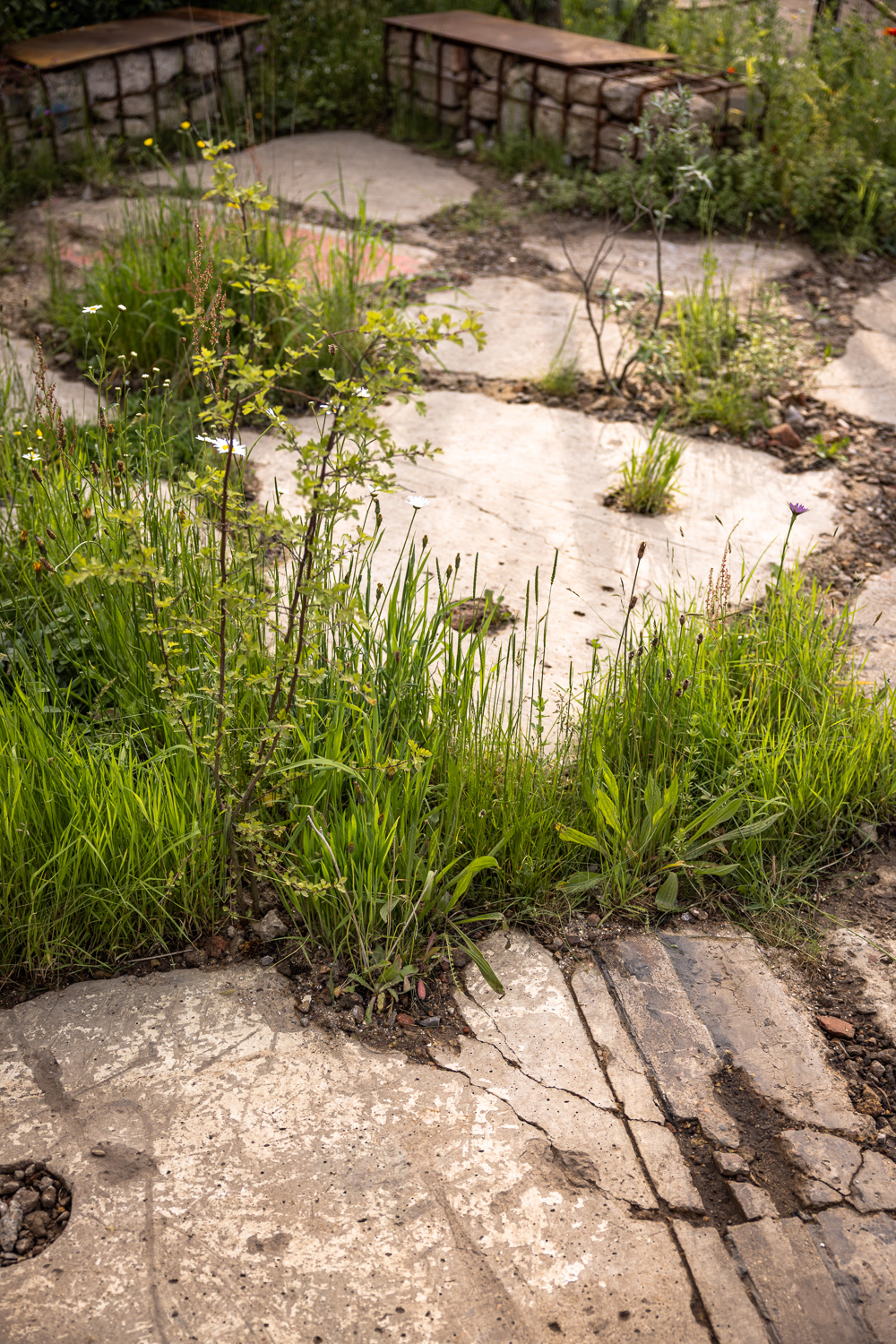
Proof that nature-led garden design isn't a luxury — it's essential infrastructure for thriving cities.